



What to Do After a Car Accident: A Step-by-Step Guide
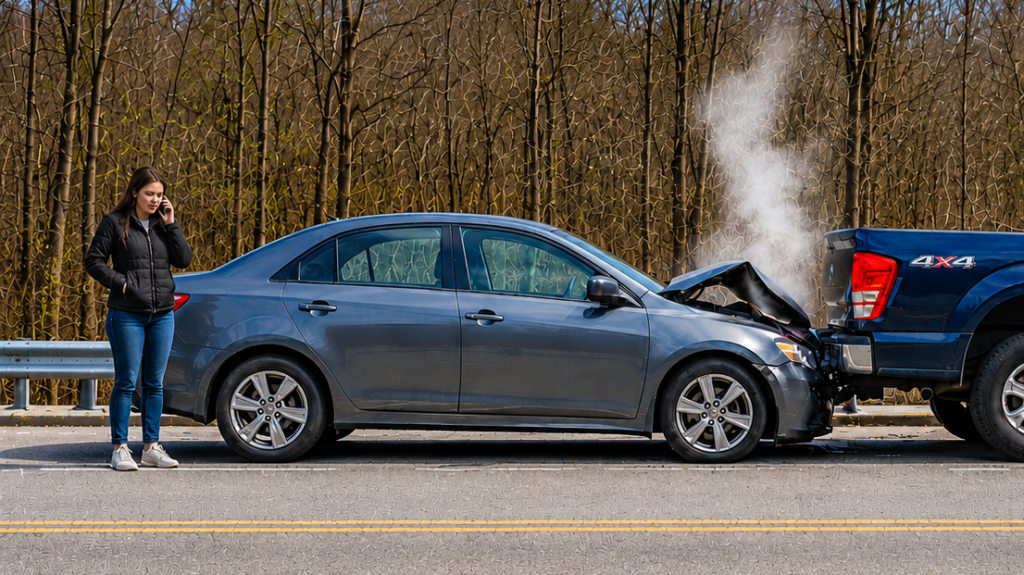
Even a minor car accident can be stressful. In the moments immediately afterward, it can be difficult to remember what information you need, who you should contact, and what steps should come next.
Having a simple plan can help. Whether you are involved in a minor fender bender or a more serious collision, these steps can help you protect yourself, document what happened, and make the repair process easier.
1. Make Sure Everyone Is Safe
Your first priority after an accident should be safety. Check yourself and your passengers for injuries and, if it is safe to do so, check on the occupants of the other vehicle.
Call 911 if anyone is injured, if there is significant vehicle damage, if the accident is blocking traffic, or if emergency assistance is needed.
If the vehicles can be moved safely and local conditions allow, move them out of active traffic. Turn on your hazard lights and remain aware of surrounding traffic while you wait for assistance.
2. Contact Law Enforcement When Appropriate
Depending on the circumstances of the collision, law enforcement may need to respond and prepare an accident report.
A police report can provide useful documentation of the accident, including the vehicles involved, location, driver information, witness information, and circumstances observed at the scene.
Requirements for reporting an accident can vary, so follow the instructions of local law enforcement and your insurance provider.
3. Exchange Information With the Other Driver
If another vehicle is involved, exchange basic contact and insurance information. Helpful information to collect includes:
- Driver’s name
- Phone number
- Insurance company
- Insurance policy information
- Vehicle make and model
- License plate number
- Driver’s license information when appropriate
Try to keep the conversation focused on exchanging information and making sure everyone is safe. Avoid arguing about who caused the accident at the scene.
4. Take Photos and Document the Scene
If it is safe to do so, take photos or video before the vehicles are moved. Good documentation can be helpful when working with your insurance company and collision repair facility.
Consider photographing:
- Damage to all vehicles involved
- The overall accident scene
- Vehicle positions
- License plates
- Road signs and traffic signals
- Skid marks or debris
- Road and weather conditions
- Any other property damage
It is also helpful to write down the approximate time, location, direction of travel, and anything else you remember while the details are still fresh.
5. Gather Witness Information
If someone witnessed the accident, ask whether they are willing to provide their name and contact information.
An independent witness may be helpful if questions later arise about how the accident occurred.
6. Contact Your Insurance Company
Notify your insurance company of the accident as soon as reasonably possible. Your insurer can explain the claims process, your coverage, your deductible, rental vehicle coverage, and other steps that may apply to your policy.
Be prepared to provide the information and photographs you collected at the scene.
Your insurance company may also provide an initial repair estimate. Keep in mind that additional damage is sometimes discovered after a vehicle is disassembled at the collision repair facility.
7. Decide Whether the Vehicle Is Safe to Drive
Collision damage is not always obvious. A vehicle may have damage to its suspension, steering, cooling system, wheels, tires, lighting, safety sensors, or structural components even when the exterior damage looks relatively minor.
Do not continue driving if the vehicle has fluid leaks, damaged tires or wheels, steering problems, warning lights, overheating, loose body panels, broken lighting, or anything else that makes you question whether it is safe.
When in doubt, arrange for the vehicle to be towed to a qualified repair facility.
8. Choose a Collision Repair Facility
Your insurance company may provide information about repair facilities that participate in its repair network. You can also research collision repair facilities yourself and ask questions before authorizing repairs.
When choosing a body shop or collision center, consider asking:
- What types of collision repairs does the facility perform?
- Will the vehicle be inspected for hidden damage?
- How are additional repairs communicated?
- What types of replacement parts may be used?
- Does the repair require vehicle scanning or ADAS calibration?
- What warranty is provided on the repair?
- How will you receive updates during the repair process?
Modern vehicles can contain cameras, radar sensors, electronic modules, advanced driver-assistance systems, and structural components that may require specialized repair procedures.
9. Understand the Initial Estimate May Change
An insurance estimate or preliminary body shop estimate is often based on damage that can be seen before the vehicle is taken apart.
Once damaged panels and components are removed, technicians may find additional damage that could not be seen during the original inspection.
When additional collision-related repairs are identified, the repair facility may prepare a supplemental estimate and work with the insurance company to document the additional damage.
10. Ask About Parts Used in the Repair
Depending on the vehicle, repair, insurance policy, and parts availability, collision repairs may involve different types of replacement parts.
These may include:
- Original equipment manufacturer (OEM) parts
- Aftermarket replacement parts
- Recycled original equipment parts
- Remanufactured components
Ask the repair facility or insurance company which parts are included in the repair estimate if you have questions or preferences.
11. Ask Whether Calibration Is Required
Many newer vehicles are equipped with advanced driver-assistance systems such as forward collision alert, automatic emergency braking, lane-keeping technology, adaptive cruise control, blind-zone monitoring, and parking assistance.
Cameras, radar sensors, steering components, suspension components, bumpers, windshields, and other parts involved in a collision may affect these systems.
Depending on the repair, manufacturer procedures may call for scanning, programming, aiming, or calibration before the vehicle is returned to the customer.
12. Inspect the Vehicle When Repairs Are Complete
When you pick up your vehicle, take a few minutes to review the completed repair.
Look at the repaired area, paint finish, panel alignment, lights, warning indicators, and any features affected by the collision.
Ask the repair facility to explain the work that was completed and any warranties that apply. If calibration, programming, or other specialized procedures were required, you can also ask whether those procedures were completed.
Keep Important Accident Information Together
During the claims and repair process, you may receive paperwork from law enforcement, your insurance company, a towing company, rental car provider, collision center, and other parties.
Keeping photographs, estimates, claim numbers, receipts, repair documents, and contact information together can make it easier to keep track of the process.
Collision Repair Help at Voice Motor Sales Chevrolet
If your vehicle has been involved in an accident, Voice Motor Sales Chevrolet in Kalkaska can help you determine the next step in the repair process.
Whether the damage appears minor or more extensive, having the vehicle professionally inspected can help identify visible and hidden collision damage before repairs begin.
Have questions about your vehicle after an accident?
Contact Voice Motor Sales Chevrolet
or visit our
Service Department
for additional information.
Frequently Asked Questions
What should I do immediately after a car accident?
Start by checking for injuries and making sure everyone is safe. Contact emergency services when necessary, exchange information with other drivers, document the scene, and notify your insurance company.
Should I take pictures after an accident?
Yes. If it is safe to do so, photograph the vehicles, damage, license plates, road conditions, traffic controls, and the overall accident scene. These photographs may be useful during the claims and repair process.
Can an accident cause damage that I cannot see?
Yes. Collision damage may exist behind bumpers or body panels and can involve structural components, suspension, steering, cooling systems, wiring, sensors, cameras, and other components.
Why can a collision repair estimate change?
An initial estimate may only include visible damage. Additional collision-related damage can sometimes be discovered after damaged panels or components are removed during the repair process.
Can modern safety systems require calibration after an accident?
Yes. Depending on the vehicle and repair, cameras, radar sensors, steering systems, suspension components, and other driver-assistance equipment may require scanning, programming, aiming, or calibration according to manufacturer repair procedures.

