



Blog

All Collision Center New Vehicles Parts & Accessories Service Used Cars

OEM vs. Aftermarket Auto Parts: What's the Difference?

OEM vs. Aftermarket Auto Parts: What's the Difference? Whether you are repairing your own vehicle or having work completed by a professional, eventually you may need to choose a replacement part. One of the first decisions is often whether to use an OEM part or an aftermarket alternative. Both categories can have a place in vehicle repair, but they are not the same. Understanding the differences can make it easier to choose the right part for your vehicle, your repair, and your budget. What Does OEM Mean? OEM stands for Original Equipment Manufacturer. An OEM replacement part is designed to meet specifications established for the vehicle manufacturer. For Chevrolet owners, GM Genuine Parts and certain ACDelco products provide replacement-part options designed for GM vehicles and applications. What Is an Aftermarket Part? An aftermarket part is manufactured by a company other than the vehicle's original manufacturer or its designated original-equipment supplier. The aftermarket is enormous, so quality, design, fit, price, features, and warranty coverage can vary significantly from one manufacturer and product line to another. 1. Fit and Compatibility One advantage of choosing a part intended specifically for your vehicle is compatibility. Modern vehicles contain increasingly complex mechanical and electronic systems, and even seemingly simple parts can vary by engine, trim, drivetrain, production date, or option package. Using the vehicle identification number, or VIN, can help a parts professional determine which component is appropriate for a particular vehicle. 2. Quality and Specifications OEM and manufacturer-supported replacement parts are designed around the specifications of the vehicle application. Aftermarket parts range from economical replacements to premium or specialized products. Some may be designed differently from the original component, which can be useful in certain situations but also makes selecting a reputable brand and correct application important. 3. Price Price is one reason drivers consider aftermarket parts. Depending on the component and manufacturer, aftermarket alternatives may cost less than an original-equipment option. However, purchase price should not always be the only consideration. Fit, durability, warranty coverage, installation time, and whether a part needs to be replaced again can all affect the total cost of a repair. 4. Warranty Considerations Warranty coverage varies by part, manufacturer, and repair. Before purchasing a replacement component, ask what warranty applies to the part and whether any requirements apply to installation or coverage. If your vehicle is still covered by a factory, extended, or parts warranty, it is also worth confirming whether the repair has any specific parts requirements. 5. Electronics and Vehicle Technology Today's vehicles use cameras, sensors, control modules, driver-assistance systems, and networked electronics throughout the vehicle. When replacing components associated with these systems, correct specifications and compatibility become particularly important. The right part may also need programming, calibration, or installation procedures specific to the vehicle. When Does Choosing an OEM Part Make Sense? An OEM or manufacturer-supported part can be a strong choice when maintaining original specifications and vehicle compatibility are priorities. They may be particularly appealing for newer vehicles, warranty-related repairs, electronic components, sensors, body components, and repairs where exact fitment is important. When Might an Aftermarket Part Make Sense? Aftermarket parts can make sense in many situations as well. Owners of older vehicles may want a more economical replacement, while enthusiasts may look for specialized aftermarket components that change appearance or performance. The key is choosing the correct component from a reputable manufacturer rather than assuming every aftermarket part is identical. How Do I Know Which Part Fits My Vehicle? Year, make, and model are a good starting point, but sometimes they are not enough. Vehicles within the same model year can use different components depending on engine, transmission, drivetrain, trim, production date, and optional equipment. Providing your VIN is one of the easiest ways to help a parts professional identify the correct application. Order Chevrolet Parts from Voice Motor Sales If you need a replacement part for your Chevrolet, the Parts Department at Voice Motor Sales Chevrolet can help identify the proper component for your vehicle. Whether you need brake components, filters, wiper blades, maintenance items, or another replacement part, start by ordering parts online from Voice Motor Sales Chevrolet. If you would rather have the part installed for you, visit our Service Department or schedule a service appointment online. Frequently Asked Questions What does OEM stand for? OEM stands for Original Equipment Manufacturer and generally refers to parts designed to meet the original manufacturer's specifications for a particular vehicle application. Are aftermarket parts always lower quality? No. Aftermarket quality varies considerably. There are economy, standard, premium, and specialized aftermarket products from many different manufacturers. Why is my VIN helpful when ordering parts? A VIN helps identify the exact vehicle configuration and can make it easier to select the correct component when multiple parts were used within the same model or model year. Where can I order Chevrolet parts near Kalkaska, MI? You can order Chevrolet parts through the Parts Department at Voice Motor Sales Chevrolet in Kalkaska using the dealership's online parts request form. SEO TITLE: OEM vs. Aftermarket Auto Parts | Voice Motor Sales Chevrolet META DESCRIPTION: What's the difference between OEM and aftermarket auto parts? Learn about fit, quality, price, warranties and compatibility from Voice Motor Sales Chevrolet in Kalkaska, MI. SUGGESTED URL SLUG: oem-vs-aftermarket-auto-parts OEM vs. Aftermarket Auto Parts | Voice Motor Sales Chevrolet
Fall Vehicle Maintenance Checklist: Get Ready Before Colder Weather Arrives

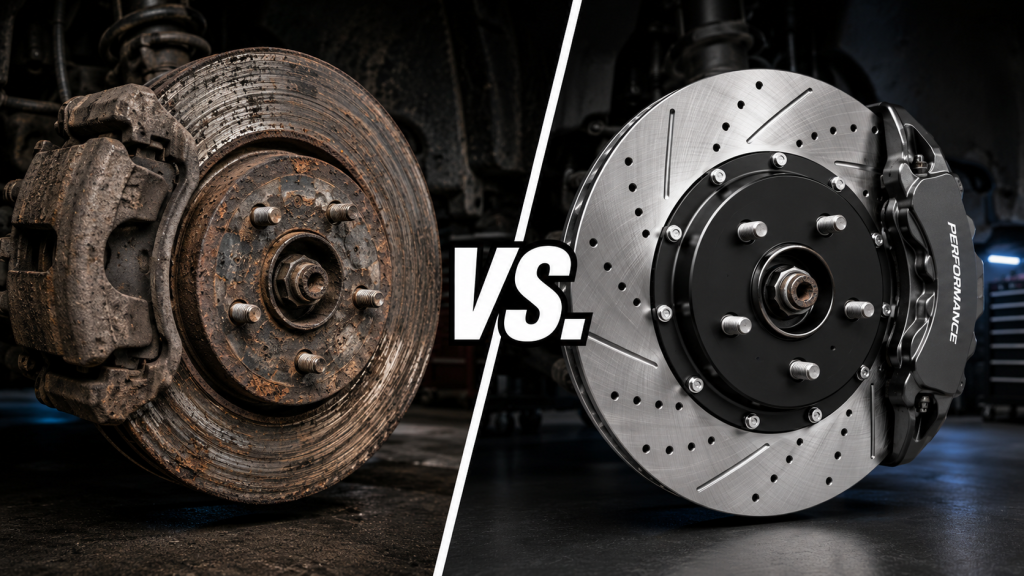
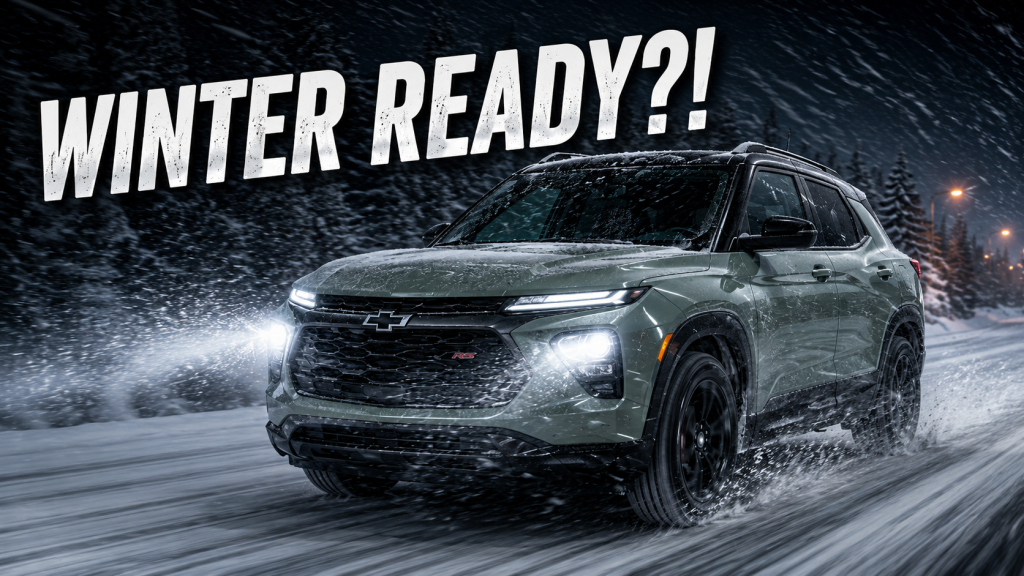
Fall Vehicle Maintenance Checklist: Get Ready Before Colder Weather Arrives As the seasons change, your vehicle has to adjust too. Cooler mornings, wet roads, falling leaves, shorter days, and eventually freezing temperatures can all put extra stress on your car, truck, or SUV. Taking care of a few basic maintenance items in the fall can help you avoid bigger problems later. Before colder weather arrives, use this simple fall vehicle maintenance checklist to help prepare your vehicle for the road ahead. 1. Check Your Battery Cooler weather can expose a weak battery quickly. If your vehicle has been slow to start, the battery terminals look corroded, or the battery is several years old, fall is a good time to have it tested. A battery that works fine in warm weather may struggle once temperatures drop. Testing it before cold mornings arrive can help reduce the chance of being stuck with a vehicle that will not start. 2. Inspect Your Tires Your tires are especially important as roads become wet, cold, or slick. Check your tire tread depth, look for uneven wear, and make sure your tires are properly inflated. Tire pressure can drop as temperatures fall, so even if your tires looked fine during the summer, they may need attention in the fall. Proper tire pressure can help with handling, traction, ride quality, and fuel efficiency. Also take a quick look for cracks, bulges, punctures, or other visible damage. If your tires are worn or uneven, it may be time for a tire rotation, alignment check, or replacement. 3. Replace Worn Wiper Blades Good visibility is critical in the fall. Rain, road spray, frost, falling leaves, and early morning moisture can make it harder to see clearly. If your wiper blades streak, skip, chatter, squeak, or leave cloudy spots on the windshield, it is time to replace them. Wiper blades are a small maintenance item, but they can make a big difference when the weather turns. It is also a good idea to top off your windshield washer fluid with a seasonally appropriate formula before temperatures drop. 4. Check Your Brakes Before Slick Roads Arrive Your brakes should feel smooth, steady, and responsive. If you hear squeaking or grinding, feel vibration when braking, notice the vehicle pulling to one side, or feel a soft brake pedal, schedule an inspection. Fall is a smart time to catch brake issues before winter driving conditions arrive. Wet leaves, rain, frost, and icy roads can all increase stopping distance, so your braking system needs to be ready. 5. Top Off Fluids Fluids help protect your vehicle and keep major systems working properly. Before colder weather sets in, check or have a technician check: Engine oil Coolant Brake fluid Transmission fluid, if applicable Power steering fluid, if applicable Windshield washer fluid Coolant is especially important before winter because it helps regulate engine temperature and protect against freezing. If you are not sure when your fluids were last checked or changed, a fall inspection is a good place to start. 6. Test Your Lights As the days get shorter, you will likely rely on your lights more often. Walk around your vehicle and check: Headlights Brake lights Turn signals Hazard lights Reverse lights License plate lights Dim, cloudy, or burned-out lights can make it harder for you to see and harder for other drivers to see you. Replacing bulbs or cleaning cloudy lenses can help improve visibility during early mornings, evenings, rain, and fog. 7. Look Over Belts and Hoses Cold weather can be hard on rubber parts. Worn belts or hoses may crack, loosen, leak, or fail when temperatures drop. During a fall maintenance check, have belts and hoses inspected for cracking, fraying, soft spots, leaks, or other signs of wear. Catching these issues early can help prevent inconvenient breakdowns. 8. Check Heating and Defrost Before you really need it, make sure your heater and defroster are working properly. A good defroster helps clear fog, frost, and moisture from your windshield and windows. If your heat is weak, your windows do not clear well, or you notice unusual smells when the system is running, it may be time to have the system inspected. 9. Schedule Service Before the Winter Rush The first major cold snap tends to remind everyone about batteries, tires, brakes, and heating systems at the same time. Scheduling fall maintenance early can help you beat the winter service rush and give you more confidence before colder weather arrives. Whether your vehicle needs an oil change, tire inspection, brake check, battery test, wiper blades, or a full seasonal inspection, taking care of it now can help you head into the next season better prepared. Get Fall-Ready at Voice Motor Sales Chevrolet Voice Motor Sales Chevrolet in Kalkaska is here to help you prepare your vehicle for fall and colder weather. Our service team can inspect your battery, tires, brakes, fluids, wipers, lights, belts, hoses, and more. Before the weather changes, schedule your next service visit with Voice Motor Sales Chevrolet and make sure your vehicle is ready for the road ahead. Schedule service today: Schedule Service at Voice Motor Sales Chevrolet SEO TITLE: Fall Vehicle Maintenance Checklist | Voice Motor Sales Chevrolet Service META DESCRIPTION: Get your vehicle ready for fall with this simple maintenance checklist from Voice Motor Sales Chevrolet in Kalkaska, MI. Check your battery, tires, wipers, brakes, fluids, lights, and more before colder weather arrives. SUGGESTED URL SLUG: fall-vehicle-maintenance-checklist SEO META TAGS - place these in the page header/SEO fields if your CMS has separate fields Fall Vehicle Maintenance Checklist | Voice Motor Sales Chevrolet Service ARTICLE SCHEMA LOCAL BUSINESS / DEALERSHIP SCHEMA FAQ SCHEMA BlogPosting Schema FAQ Schema Local Business / Dealership Schema
2026 Chevrolet SUV Comparison: Trax vs. Trailblazer vs. Equinox vs. Traverse

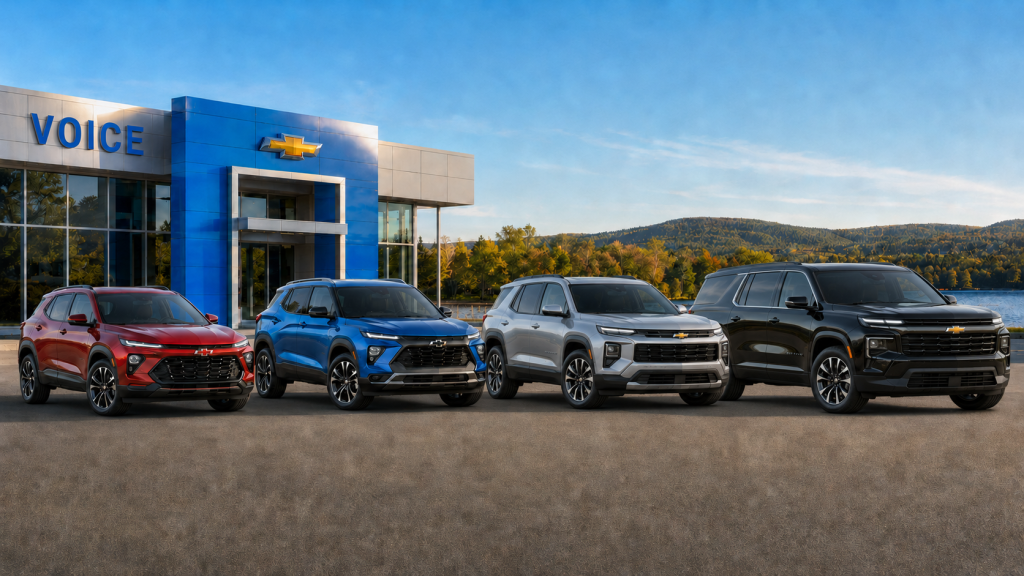
BLOG CONTENT: paste this section into the main HTML editor. 2026 Chevrolet SUV Comparison: Trax vs. Trailblazer vs. Equinox vs. Traverse Choosing a new Chevrolet SUV is easier when you know how each model fits your daily life. The 2026 Chevrolet Trax, Trailblazer, Equinox and Traverse cover a wide range of needs—from affordable commuting to three-row family travel and towing. For drivers in Kalkaska and throughout Northern Michigan, the right choice often comes down to passenger space, available all-wheel drive, cargo capacity and how much capability you actually need. Here is a practical comparison to help you narrow down your options. 2026 Chevrolet Trax: Affordable, Efficient and Easy to Drive The 2026 Chevrolet Trax is a smart starting point for shoppers who want the style and versatility of an SUV without paying for extra size or capability they may not use. The Trax seats five and offers up to 54 cubic feet of cargo space with the rear seats folded. Its turbocharged 1.2-liter engine produces 137 horsepower, while an EPA-estimated 30 mpg combined helps make it an economical choice for commuting and everyday driving. The Trax is offered with front-wheel drive only and is not rated for towing. That makes it best suited to drivers who prioritize affordability, fuel economy, maneuverability and useful interior room over all-wheel-drive capability. The Trax may be right for you if: You want the most affordable SUV in this comparison. Most of your driving involves commuting, errands or paved roads. You want good fuel economy and easy maneuverability. You need room for five but do not need to tow. 2026 Chevrolet Trailblazer: Compact Size with Available AWD The 2026 Chevrolet Trailblazer is a natural step up for shoppers who like the size of a compact SUV but want available all-wheel drive and additional capability. The Trailblazer seats five and offers an available 1.3-liter turbocharged engine producing 155 horsepower and 174 lb.-ft. of torque. When equipped with that engine and front-wheel drive, it offers an EPA-estimated 31 mpg combined. Available AWD makes the Trailblazer especially appealing for Northern Michigan drivers who regularly encounter snow-covered or unpaved roads. One of its most useful features is the standard fold-flat front passenger seat, which allows items up to 8.5 feet long to fit inside. Properly equipped models can tow up to 1,000 pounds. The ACTIV trim adds off-road-inspired suspension tuning and a functional skid plate, while the RS emphasizes a sportier appearance. The Trailblazer may be right for you if: You want a small SUV with available AWD. You regularly carry long or awkward cargo. You want an efficient vehicle that is easy to park. You prefer the rugged ACTIV or sporty RS appearance. 2026 Chevrolet Equinox: A Well-Rounded Family SUV The 2026 Chevrolet Equinox offers more passenger and cargo room while remaining manageable for everyday driving. For many households, it represents the middle ground of the Chevrolet SUV lineup. The Equinox seats five and provides up to 63.5 cubic feet of cargo volume. Its 1.5-liter turbocharged engine delivers 175 horsepower, and available all-wheel drive adds confidence when road conditions deteriorate. When properly equipped, the Equinox can tow up to 1,500 pounds. Inside, the Equinox features an 11.3-inch diagonal infotainment touchscreen. Shoppers can choose from LT, RS and ACTIV models. The LT focuses on everyday value, the RS adds sport-inspired design and the ACTIV provides a more adventurous appearance with all-terrain tires and uniquely tuned suspension. The Equinox may be right for you if: You want more room than the Trax or Trailblazer. You need a practical SUV for a family of up to five. You want available AWD and moderate towing capability. You value a comfortable balance of efficiency, technology and cargo space. 2026 Chevrolet Traverse: Three-Row Space and Serious Capability The 2026 Chevrolet Traverse is the choice for families who need a true three-row SUV. It offers available seating for up to eight and as much as 98 cubic feet of maximum cargo volume, giving it substantially more room than the other models in this comparison. The Traverse is powered by a turbocharged 2.5-liter engine producing 328 horsepower and 326 lb.-ft. of torque. When properly equipped, it can tow up to 5,000 pounds. That capability makes it a much better match for larger trailers, boats and recreational equipment. The Traverse also offers a standard 17.7-inch diagonal infotainment touchscreen. The Z71 model adds off-road-focused features such as an advanced twin-clutch AWD system, Terrain Mode, Hill Descent Control, a specialized suspension and protective skid plates. The Traverse may be right for you if: You need seating for seven or eight passengers. You regularly carry a large amount of cargo. You need up to 5,000 pounds of towing capacity. You want an available SUV designed for family travel or off-pavement adventures. Quick Chevrolet SUV Comparison Comparison of four popular 2026 Chevrolet SUVs Model Seats Maximum cargo volume AWD availability Maximum towing Best suited for Trax 5 54 cu. ft. No Not rated Value, commuting and everyday driving Trailblazer 5 54.4 cu. ft. Available 1,000 lbs. Compact versatility and available AWD Equinox 5 63.5 cu. ft. Available 1,500 lbs. Families wanting a balanced two-row SUV Traverse Up to 8 98 cu. ft. Available 5,000 lbs. Three-row seating, cargo and towing Which Chevrolet SUV Is Best for Northern Michigan? For drivers who expect frequent winter travel, available AWD may make the Trailblazer, Equinox or Traverse a better match than the front-wheel-drive-only Trax. The ideal model still depends on how much room and capability you need. Choose the Trax for value, efficiency and easy everyday driving. Choose the Trailblazer for compact dimensions with available AWD. Choose the Equinox for a well-rounded combination of passenger room, cargo space and capability. Choose the Traverse for three-row seating, maximum cargo room and greater towing capacity. Remember that AWD can help a vehicle accelerate in slippery conditions, but it does not replace a quality set of winter tires when it comes to braking and cornering on snow and ice. Compare New Chevrolet SUVs at Voice Motor Sales Specifications can help narrow your choices, but sitting in and driving the vehicles is the best way to determine which SUV feels right. At Voice Motor Sales Chevrolet in Kalkaska, our sales team can help you compare passenger space, cargo room, trim levels, features and payment options without making the process complicated. Browse our new Chevrolet inventory or schedule a test drive to compare your favorite models. Visit Voice Motor Sales Chevrolet at 302 W. Mile Road NW in Kalkaska, Michigan, or call us at 231-258-9178. Vehicle specifications, features, towing ratings and availability may vary by trim, equipment and model year. Always confirm current information with Voice Motor Sales Chevrolet before purchasing. STRUCTURED DATA: keep this script below the article. SEO SETTINGS Copy these values into the corresponding SEO fields in your website CMS. SEO Title: 2026 Chevy Trax vs. Trailblazer vs. Equinox vs. Traverse | Voice Motor Sales Meta Description: Compare the 2026 Chevrolet Trax, Trailblazer, Equinox and Traverse to find the right SUV for your budget, family and Northern Michigan driving needs. Canonical URL: https://www.voicemotors.com/blogs/9721/2026-chevrolet-suv-comparison-trax-trailblazer-equinox-traverse Author: Voice Motor Sales Chevrolet Robots: index, follow, max-image-preview:large, max-snippet:-1, max-video-preview:-1 Open Graph Type: article Open Graph Title: 2026 Chevrolet SUV Comparison: Trax vs. Trailblazer vs. Equinox vs. Traverse Open Graph Description: Compare four popular 2026 Chevrolet SUVs and discover which model best fits your family, budget and Northern Michigan driving needs. Open Graph URL: https://www.voicemotors.com/blogs/9721/2026-chevrolet-suv-comparison-trax-trailblazer-equinox-traverse Article Section: New Chevrolet Vehicles

2027 Chevy Silverado 1500 Preview: Confirmed Trims, Engines, Redesign, and New Features

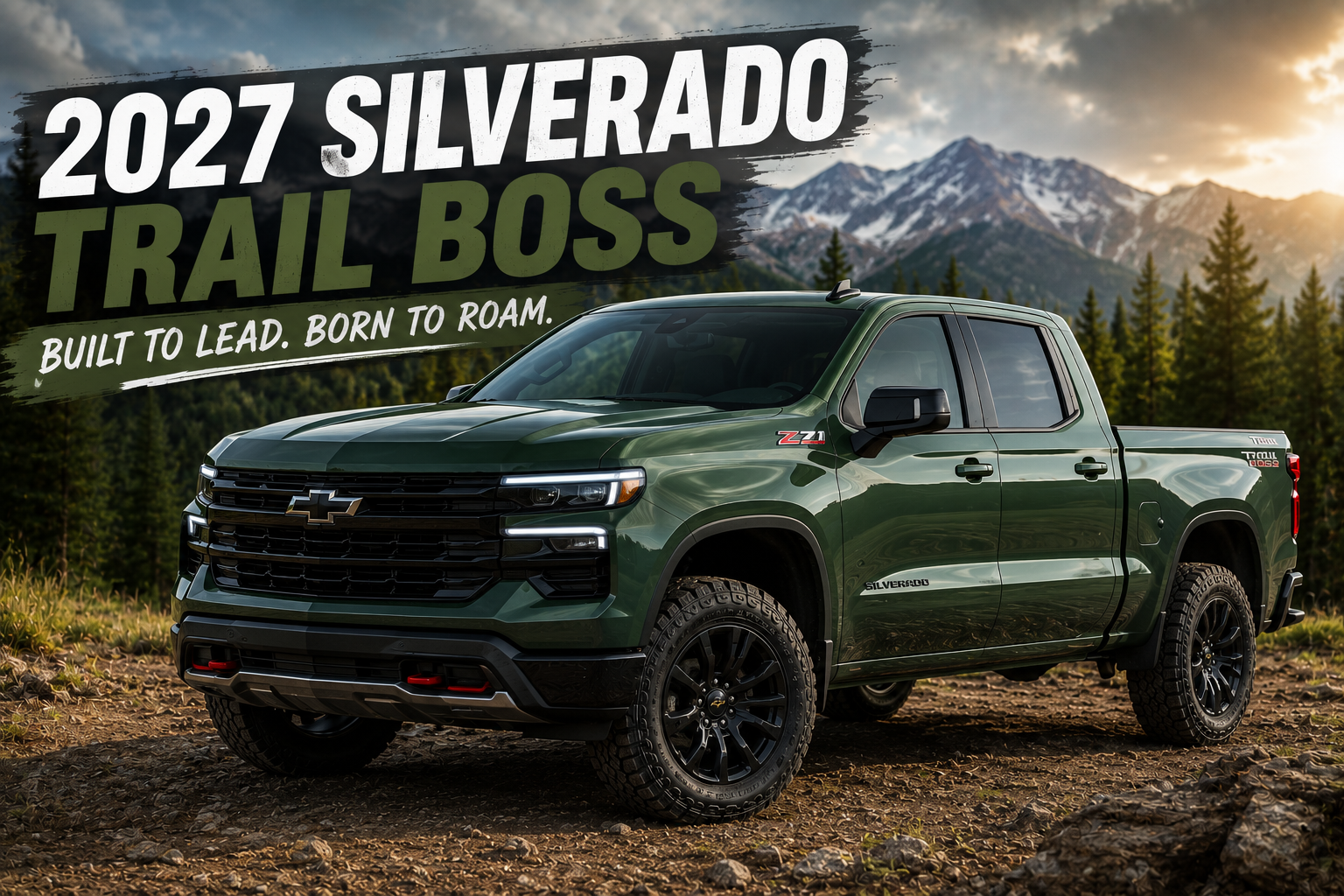
2027 Chevy Silverado 1500 Preview: Confirmed Trims, Engines, Redesign, and New Features The next-generation 2027 Chevrolet Silverado 1500 is on the way, and Chevrolet has already confirmed several major updates. For truck shoppers, this is shaping up to be one of the most important Silverado updates in years, with a completely redesigned exterior, a more modern interior, new technology, expanded safety features, and a revised engine lineup. While Chevrolet has not released every detail yet, including final pricing, full towing numbers, payload figures, and complete trim-by-trim equipment, there is already plenty of confirmed information to know. If you are shopping for a truck now or planning ahead for the next-generation Silverado, browse current Chevrolet Silverado 1500 inventory at Voice Motor Sales Chevrolet or contact our team for availability updates. Is the 2027 Silverado redesigned? Yes. Chevrolet has confirmed that the 2027 Silverado 1500 is completely redesigned inside and out. The next-generation Silverado features a bolder exterior, a stronger front-end design, new lighting signatures, updated trim-specific styling, and a more modern cabin. On the outside, the 2027 Silverado gets a stronger stance, new LED lighting, revised grille designs, and more visual separation between trims. Chevrolet has also confirmed standard dual exhaust on Custom and above, giving more Silverado models a stronger truck appearance. Inside, the Silverado receives a major technology upgrade. Every 2027 Silverado 1500 will feature a standard 16.3-inch center display and a 12.2-inch Driver Information Center, giving the cabin a much more digital and connected layout. Confirmed 2027 Silverado trims Chevrolet has confirmed a new seven-trim lineup for the 2027 Silverado 1500: WT Custom Custom Trail Boss Silverado Trail Boss High Country ZR2 One notable change is that Silverado becomes a trim name for 2027, replacing the previous LT position in the lineup. This gives shoppers a new structure, ranging from work-focused trucks to premium and off-road-ready models. The 2027 lineup also puts more emphasis on off-road capability, with three lifted trims: Custom Trail Boss, Trail Boss, and ZR2. Confirmed 2027 Silverado engines Chevrolet has confirmed that the 2027 Silverado 1500 will continue to offer four powertrain options: Enhanced 2.7L TurboMax Duramax 3.0L Turbo-Diesel Next-generation 5.7L V8 Next-generation 6.6L V8 The upgraded TurboMax engine will now be paired with a 10-speed transmission. The Duramax 3.0L Turbo-Diesel also remains part of the lineup, giving shoppers a diesel option for long-distance driving, towing, and efficiency-focused truck use. The biggest engine news is the arrival of two new V8 choices: a 5.7L V8 and a 6.6L V8. Chevrolet says these next-generation V8 engines are designed for improved power and torque, serious work, and confident towing. Final horsepower, torque, towing, payload, and fuel economy numbers have not yet been released. Standard technology features The 2027 Silverado makes a major leap in interior technology. Standard technology confirmed by Chevrolet includes: 16.3-inch center touchscreen 12.2-inch Driver Information Center Modern digital cockpit design Enhanced connectivity features Expanded driver-assistance technology Because the large digital displays are standard across the lineup, even value-focused and work-focused Silverado models should feel much more modern than before. Available technology and comfort features In addition to the standard digital displays, Chevrolet has confirmed several available or trim-dependent technology and comfort features for the 2027 Silverado, including: 11.5-inch front passenger screen Head-Up Display Rear camera mirror More than 60 inches of combined available screens Dual wireless charging Multi-Flex center console Super Cruise with trailering Panoramic sunroof Super Cruise with trailering will be available across more of the Silverado lineup than before. Chevrolet has confirmed that Super Cruise will be standard on High Country and ZR2, and available on Silverado and Trail Boss. Standard safety features Chevrolet has confirmed a strong list of standard safety and driver-assistance features for the 2027 Silverado 1500. Standard safety features include: Intersection Automatic Emergency Braking Front Pedestrian and Bicyclist Braking Side Bicyclist Alert Reverse Automatic Braking Safety Alert Seat Adaptive Cruise Control IntelliBeam Front and Rear Park Assist Forward Collision Alert Rear Cross Traffic Braking Blind Zone Steering Assist Rear Pedestrian Alert HD Rear Vision Camera These features help make the next-generation Silverado more confidence-inspiring for daily driving, road trips, work use, towing, and tight parking situations. Off-road upgrades: Custom Trail Boss, Trail Boss, and ZR2 The 2027 Silverado lineup puts a major focus on off-road capability. Chevrolet has confirmed three lifted trims: Custom Trail Boss, Trail Boss, and ZR2. The Custom Trail Boss gives shoppers an entry point into factory-lifted off-road style and performance, with a confirmed 2-inch lift and 34-inch tires. The Trail Boss also gets a 2-inch factory lift, 34-inch mud-terrain tires, and a dedicated off-road hood, giving it a more aggressive stance and trail-ready look. At the top of the off-road lineup, the ZR2 receives major hardware. Chevrolet has confirmed 35-inch mud-terrain tires, a 2-inch lift, standard front and rear E-lockers, Multimatic DSSV dampers, jounce dampers, and unique ZR2 interior details with Torch Red accents. Chevrolet has also confirmed an available ZR2 Bison Edition, developed with American Expedition Vehicles. The Bison adds AEV front and rear bumpers, rocker protection, 18-inch beadlock-capable wheels, skid plates, an AEV rear badge, and all-weather floor liners. High Country updates The 2027 Silverado High Country continues as the premium trim in the lineup. Chevrolet has confirmed a new High Country badge, standard 22-inch After Midnight machine-faced wheels, an exclusive Tritan Satin grille, real wood interior detailing, Natural Tan-edged seatbelts, available microfiber suede materials, and a Silverado-first panoramic sunroof. High Country will also include some of the Silverado’s most advanced technology, including standard Super Cruise, the available front passenger screen setup, Head-Up Display, and rear camera mirror. New colors and appearance updates Chevrolet has confirmed several 2027 Silverado exterior colors, including new premium colors: Apex Red Pacific Blue Metallic Trillium Green Metallic White Sands Summit White Polar White Tricoat Black Riptide Blue Metallic Sterling Gray Metallic Some premium colors may be available at an additional cost. Interior color options will vary by trim. Available packages Chevrolet has confirmed several package updates for the 2027 Silverado, including: New Chrome Exterior Package Texas Edition Max Trailering Package The new Chrome Exterior Package includes chrome front and rear bumpers. The Texas Edition includes a Texas Edition badge, oval assist steps, all-weather floor liners, console-mounted safe, and reflective window shade, and Chevrolet says it is only available on 1LT. The Max Trailering Package includes an extra-capacity cooling system. What has not been confirmed yet? Chevrolet has not released every final detail for the 2027 Silverado. Pricing, final MSRP, full trim-by-trim equipment, towing numbers, payload figures, fuel economy, and final horsepower and torque ratings are expected later. If you are not waiting for the 2027 model, you can still shop current new Chevrolet Silverado 1500 inventory at Voice Motor Sales Chevrolet. You can also browse pre-owned vehicles if you are looking for a truck, SUV, or car available now. Should you wait for the 2027 Silverado or buy now? The answer depends on what you need from your next truck. If you want the newest design, the latest available technology, and the upcoming V8 engine lineup, the 2027 Silverado is worth watching closely. If you need a truck sooner for work, towing, family use, or everyday driving, current Silverado models still offer strong capability, proven engine options, and a wide range of trims. Our team can help you compare what is available now with what has been announced for the next-generation model. You can also start planning your purchase by visiting our finance pre-approval page, exploring new Chevrolet inventory, or contacting Voice Motor Sales Chevrolet with questions. Get ready for the 2027 Silverado at Voice Motor Sales Chevrolet The 2027 Chevrolet Silverado 1500 brings a major redesign, new V8 engine choices, expanded technology, more standard safety features, and a stronger trim lineup built for work, towing, off-road driving, and everyday comfort. Whether you are interested in a practical WT, a value-focused Custom, a lifted Trail Boss, the off-road-ready ZR2, or the premium High Country, the next-generation Silverado is designed to give truck shoppers more choices than ever. To learn more about Silverado availability, current Chevrolet truck options, financing, or trade-in opportunities, contact Voice Motor Sales Chevrolet in Kalkaska, MI. You can also view current Silverado 1500 inventory or schedule service for your current vehicle.

ChatGPT Image Jul 27, 2026, 12_30_44 PM

Road Trip Ready: A Simple Vehicle Checklist Before You Go

Road Trip Ready: A Simple Vehicle Checklist Before You Go There’s nothing better than loading up the vehicle, picking a destination, and heading out on the open road. Whether you’re planning a weekend getaway, a family vacation, a camping trip, or just a long drive to visit friends, a little preparation can make your road trip smoother, safer, and more enjoyable. Before you pack the cooler and queue up your playlist, take a few minutes to make sure your vehicle is ready for the miles ahead. Check Your Tires First Your tires are one of the most important parts of any road trip. Before you leave, check the tire pressure and look for uneven wear, cracks, bulges, or damage. Properly inflated tires can help improve fuel efficiency, handling, and overall safety. Do not forget to check your spare tire, too. A spare does not help much if it is flat when you need it. Make Sure Your Brakes Feel Right Brakes are easy to take for granted until something feels off. If you notice squeaking, grinding, vibration, pulling, or a soft brake pedal, it is a good idea to have your brakes inspected before a long drive. Road trips often mean highway speeds, changing traffic, unfamiliar roads, and extra cargo, so your braking system needs to be ready. Top Off Fluids A quick fluid check can help prevent bigger issues on the road. Before your trip, check or have someone check: Engine oil Coolant Windshield washer fluid Brake fluid Transmission fluid, if applicable Fresh washer fluid is especially important for long drives, bugs, rain, dust, and changing weather conditions. Test Your Battery A weak battery can turn a fun trip into a frustrating delay. If your vehicle has been slow to start, your battery terminals show corrosion, or your battery is several years old, have it tested before you leave. Hot weather, cold weather, and long accessory use can all put extra strain on a battery. Look at Lights and Wipers Before you hit the road, do a quick walkaround. Check your headlights, brake lights, turn signals, hazard lights, and license plate lights. Good visibility matters, especially if you will be driving early in the morning, late at night, or through bad weather. Also inspect your wiper blades. If they streak, skip, chatter, or leave cloudy spots, replace them before your trip. Pack a Basic Road Trip Kit Even a well-maintained vehicle can run into unexpected situations. A simple emergency kit can make a big difference. Consider packing: Phone charger Jumper cables or battery jump pack Flashlight First aid kit Blanket Bottled water Tire pressure gauge Small air compressor Basic tools Paper towels or wipes Ice scraper, depending on the season It is also smart to keep your insurance card, registration, and roadside assistance information easy to access. Clean and Organize Before You Leave A clean vehicle makes a long drive more comfortable. Clear out extra clutter, make room for luggage, and keep important items within reach. If you are traveling with kids, pets, or passengers, a little organization can make the ride much easier. This is also a good time to check that car seats, cargo, coolers, and luggage are properly secured. Plan for Comfort and Convenience Modern vehicles come with features that can make road trips easier, like Apple CarPlay, Android Auto, built-in navigation, adaptive cruise control, lane keep assist, heated and ventilated seats, rear-seat space, and extra cargo room. Before you leave, connect your phone, set up navigation, download music or podcasts, and make sure everyone has what they need for the ride. Know When It May Be Time for a Different Vehicle Sometimes a road trip is when you realize your current vehicle no longer fits your needs. Maybe you need more cargo space, better fuel economy, more towing capability, updated safety features, or something more comfortable for the whole family. If your vehicle is no longer keeping up with your lifestyle, it may be worth exploring your options before the next big trip. Get Road Trip Ready at Voice Motor Sales Before your next drive, Voice Motor Sales Chevrolet in Kalkaska is here to help with service, maintenance, tires, brakes, batteries, and vehicle questions. Whether you are preparing your current vehicle or looking for something better suited for the road ahead, our team can help you get ready with confidence. Schedule service, browse new Chevrolet vehicles, or explore our pre-owned inventory today at Voice Motor Sales Chevrolet. Schedule Service View Inventory SEO Metadata for Blog Post: Road Trip Ready: A Simple Vehicle Checklist Before You Go Road Trip Vehicle Checklist | Voice Motor Sales Chevrolet Open Graph / Social Sharing Twitter / X Card Article Schema Markup Local Business Schema Markup

A hand in a pink sleeve checking the air flow from a car's dashboard vent.

A/C Service to Keep You Cool in Summer Months

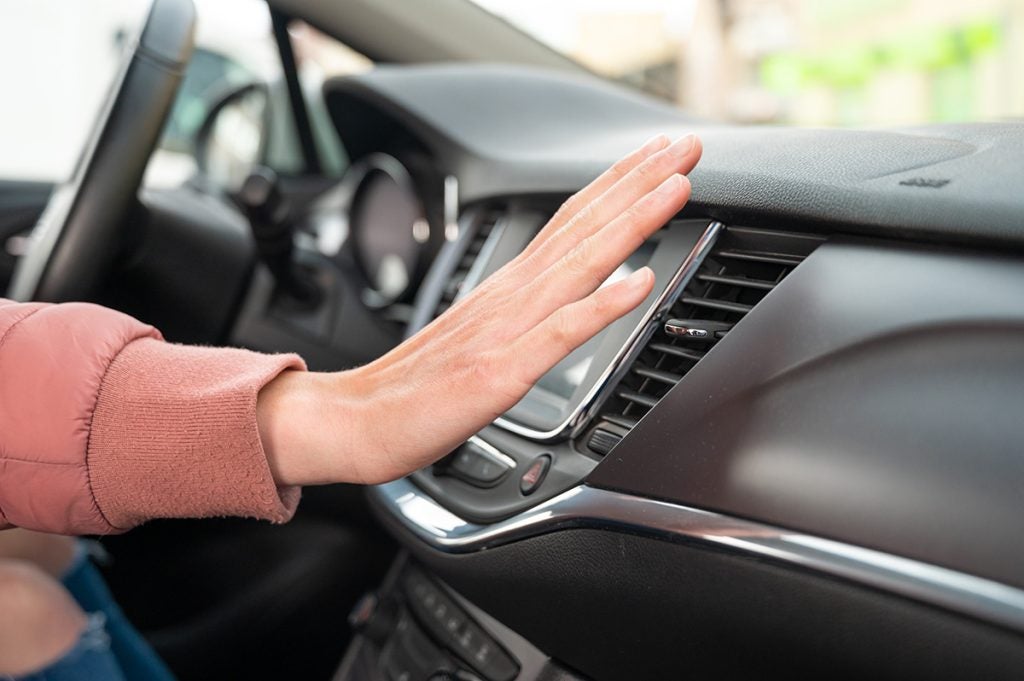
Get Your Chevrolet A/C Checked Before Summer As summer approaches, ensuring your Chevrolet's air conditioning system is in top shape is essential for a comfortable driving experience. At Voice Motor Sales, we offer comprehensive A/C check services to keep you cool during those hot months. Our certified technicians are equipped with the latest tools and technology to diagnose and repair any issues with your A/C system, ensuring you stay comfortable on the road. Why A/C Maintenance is Important Regular A/C maintenance is crucial for the longevity and efficiency of your vehicle's cooling system. Over time, components can wear out, and refrigerant levels can drop, leading to reduced cooling performance. By having your A/C checked before summer, you can avoid unexpected breakdowns and costly repairs. Our team at Voice Motor Sales will perform a thorough inspection, checking for leaks, testing the system's pressure, and ensuring all components are functioning correctly. Schedule Your A/C Check Today What to Expect During Your A/C Check When you bring your Chevrolet in for an A/C check at Voice Motor Sales, you can expect a detailed inspection of your vehicle's air conditioning system. Our technicians will assess the refrigerant levels, inspect hoses and connections, and test the compressor and condenser. If any issues are found, we will provide you with a transparent estimate for repairs, ensuring you understand the work needed to keep your A/C running smoothly. Affordable A/C Service Packages At Voice Motor Sales, we believe in providing quality service at competitive prices. Our A/C service packages are designed to meet your needs without breaking the bank. Whether you need a simple recharge or a more extensive repair, we have options that fit your budget. Plus, our skilled technicians will ensure that your Chevrolet is ready for the summer heat, giving you peace of mind on every drive. View Our Service Packages Customer Satisfaction Guaranteed At Voice Motor Sales, customer satisfaction is our top priority. We strive to provide exceptional service and ensure that every customer leaves our dealership happy and comfortable. Our team is dedicated to addressing your concerns and providing the best solutions for your Chevrolet's A/C needs. Don't let the summer heat catch you off guard-trust us to keep your vehicle cool and comfortable. Convenient Location and Hours Voice Motor Sales is conveniently located to serve you better. Our service center is open Monday through Saturday, making it easy for you to schedule an appointment that fits your busy lifestyle. We understand that your time is valuable, which is why we work efficiently to get you back on the road as quickly as possible. Visit us today and experience the Voice Motor Sales difference! Find Us on the Map Contact Us for More Information If you have any questions about our A/C check services or would like to learn more about how we can help you prepare your Chevrolet for summer, don't hesitate to reach out. Our friendly staff is here to assist you with any inquiries and help you schedule your appointment. Contact us today and ensure your vehicle is ready for the warm weather ahead! Contact Us

A smiling couple receiving car keys from a salesperson after a purchase.

Leasing vs Financing Explained

Leasing vs Financing Explained At Voice Motor Sales, one of the most common questions we hear from shoppers is whether it makes more sense to lease or finance a vehicle. Both options can help you get into a new car, truck, or SUV, but they work differently and each comes with its own advantages. The better fit depends on your budget, how much you drive, how long you typically keep a vehicle, and what matters most to you over time. For some drivers, leasing offers lower monthly payments and the chance to drive a newer vehicle every few years. For others, financing makes more sense because it leads to ownership and long-term value. Understanding the key differences can make the decision much easier, especially when you are comparing payment options on your next vehicle. What Is Leasing? Leasing is a way to drive a vehicle for a set period of time, usually a few years, without purchasing it outright. During the lease term, you make monthly payments to use the vehicle, but you do not own it. At the end of the lease, you generally return the vehicle, although some leases may include a purchase option. Because lease payments are typically based on the vehicle's expected depreciation during the lease term rather than the full purchase price, leasing often comes with lower monthly payments than financing the same model. If you want to explore current vehicle options before deciding, you can browse available inventory or check current specials and offers. What Is Financing? Financing means you are buying the vehicle over time through monthly payments. Instead of paying the full price upfront, you borrow money and repay it over an agreed loan term. Once the loan is paid off, the vehicle is yours. For many buyers, financing is appealing because each payment goes toward ownership. If you plan to keep your vehicle for a long time, financing can offer better long-term value. If you want to get started early, you can apply for financing, get pre-qualified, or estimate your monthly costs with the payment calculator. Key Differences Between Leasing and Financing The biggest difference between leasing and financing is ownership. With a lease, you are paying to drive the vehicle for a certain term. With financing, you are paying to eventually own it. Another major difference is the monthly payment structure. Leasing often offers lower monthly payments, which can make it easier to fit a newer vehicle or a higher trim level into your budget. Financing usually means higher monthly payments, but those payments help build ownership in the vehicle. There is also a difference in long-term flexibility. Leasing may be a better fit for drivers who like upgrading more often. Financing may be a better fit for drivers who want to keep their vehicle for many years and continue driving it after it is paid off. Mileage and wear are also important considerations. Leases usually come with mileage limits and vehicle condition guidelines. Financing generally does not include those same restrictions, since you are working toward ownership. The Pros of Leasing One of the biggest advantages of leasing is the potential for lower monthly payments. That can make a new vehicle more affordable on a month-to-month basis. Leasing can also be a strong option for drivers who like being in a newer vehicle more often. If you enjoy updated styling, newer tech features, and current safety systems, leasing can make it easier to upgrade every few years. Another benefit is that many leased vehicles stay under factory warranty for much or all of the lease term. That can help reduce concerns about major repair costs and make the experience feel simpler during the lease period. Leasing may also appeal to drivers who prefer shorter commitments and like the flexibility of exploring new options at the end of the term. Leasing May Be a Good Fit If You: Want lower monthly payments Like driving a newer vehicle every few years Drive a predictable number of miles each year Prefer shorter-term commitments Want easy access to newer features and technology The Pros of Financing The biggest advantage of financing is ownership. Once your loan is paid off, the vehicle is yours. That means you can keep driving it without monthly payments, which can create strong long-term value. Financing also gives you more freedom. You typically do not have to worry about mileage limits, and you have more flexibility in how long you keep the vehicle. That can be especially helpful if you have a long commute, drive more than average, or simply prefer to keep a vehicle for many years. Another advantage is that financing allows you to build equity in the vehicle. Even though vehicles depreciate over time, your payments are still going toward ownership rather than temporary use. For some buyers, financing is also the better option because it provides more room for personalization and long-term use without lease-end concerns. Financing May Be a Good Fit If You: Plan to keep your vehicle long term Want to own your vehicle outright eventually Drive more than average Prefer fewer usage restrictions Want better long-term value from your payments Which Option Is Right for You? The right choice depends on your priorities. Leasing may be the better fit if you want lower monthly payments, enjoy driving newer models, and do not mind changing vehicles more often. Financing may be the better fit if you want ownership, drive a lot, or plan to keep your vehicle for the long haul. We encourage shoppers to think about how they actually use their vehicle day to day. A lower monthly payment can be attractive, but so can the long-term value that comes with owning a vehicle outright. Looking at your driving habits, budget, and future plans can help make the right answer much clearer. Final Thoughts on Leasing vs Financing When comparing leasing vs financing, there is no universal best choice. Leasing offers flexibility, lower monthly payments, and the ability to move into a newer vehicle more often. Financing offers ownership, fewer restrictions, and long-term value. Both options have real benefits. The most important thing is choosing the one that fits your lifestyle, your financial goals, and how you plan to use your next vehicle. If you want to talk through your options, start with the finance department or contact the team. Both options have real benefits. The most important thing is choosing the one that fits your lifestyle, your financial goals, and how you plan to use your next vehicle. If you want to talk through your options, start with the finance department or contact the team. Disclaimer: This article is provided for general informational purposes only and should not be considered financial, legal, or tax advice. Lease terms, finance terms, monthly payments, eligibility, vehicle availability, and lender requirements may vary based on credit profile, vehicle selection, manufacturer programs, and other factors. Contact Voice Motor Sales for current offers and vehicle-specific details. Ownership Disclaimer: This article is owned by Voice Motor Sales, Inc. and may not be copied, reproduced, or redistributed without permission. See Our New Inventory

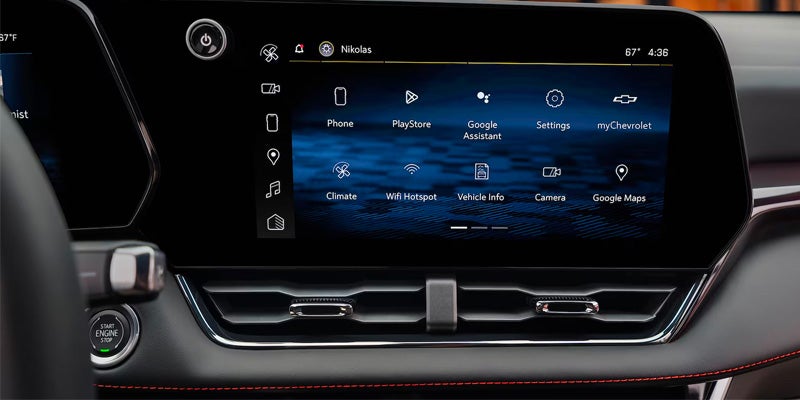
A car's dashboard infotainment system displays various apps like Phone, PlayStore, Google Assistant, Climate, and Maps.

How to Pair Your Phone and Set Up Apple CarPlay/Android Auto in Your New Chevrolet

How to Pair Your Phone and Set Up Apple CarPlay or Android Auto in Your New Chevrolet If you just brought home a new Chevrolet, one of the first things you will probably want to do is connect your phone. Bluetooth pairing, Apple CarPlay, and Android Auto make it easier to take calls, stream music, use navigation, and access compatible apps through your Chevy infotainment system. On compatible Chevrolet vehicles, these features are supported through the vehicle's smartphone integration system, though the exact menus and setup flow can vary by model and infotainment version. At Voice Motor Sales in Kalkaska, we get a lot of questions from drivers who want a simple explanation of how phone pairing works in newer Chevy models. This guide keeps it straightforward and focuses on the setup steps most owners need right away. How to Pair Your Phone to Bluetooth in a New Chevrolet For standard hands-free calling and audio streaming, start with the vehicle turned on and in Park. Then open your phone's Bluetooth settings, make sure Bluetooth is on and discoverable, tap the Phone icon on the center display, and choose the option to add or connect a new phone. After that, select your vehicle on your phone, confirm the pairing code, and approve the prompts. Turn on the vehicle and keep it in Park. On your phone, go to Settings > Bluetooth and make sure Bluetooth is turned on. On the Chevy infotainment screen, tap Phone. Select Add Phone, Pair Device, Connect Phone, or the + icon, depending on your system. Choose your Chevrolet from the list of available Bluetooth devices on your phone. Confirm the code shown on your phone matches the one on the vehicle screen. Accept the pairing request and allow access to contacts and messages if you want full functionality. Once your phone is paired, it will usually reconnect automatically when you start the vehicle again, depending on your phone settings and whether another device is set as priority. How to Set Up Wireless Apple CarPlay in a Chevrolet On supported Chevrolet models, wireless Apple CarPlay can usually be started after pairing your iPhone to the infotainment system. Chevrolet's support guidance says wireless CarPlay setup begins by connecting your phone to the infotainment system using Bluetooth and then following the prompts on the vehicle screen and on your iPhone. Step-by-Step Wireless Apple CarPlay Setup Put your Chevrolet in Park. On your iPhone, make sure Bluetooth and Wi-Fi are both turned on. On the infotainment screen, tap the Apple CarPlay icon, or start through the Phone menu if prompted. Select your vehicle on your iPhone if needed. Approve the pairing and Apple CarPlay prompts on both your phone and the center display. Follow the on-screen instructions to finish setup. If Apple CarPlay does not open automatically, tap the Apple CarPlay icon on the infotainment screen. After the initial setup, supported Chevrolet models should reconnect to wireless Apple CarPlay automatically in the future. Once the connection is complete, Apple CarPlay should launch on the infotainment screen. If it does not open automatically, tap the Apple CarPlay icon on the display. On supported Chevrolet models, wireless Apple CarPlay should reconnect automatically after the initial setup, making it easier to access navigation, calls, messages, and music without plugging in your phone. How to Set Up Android Auto in a Chevrolet Chevrolet's Android Auto support says to start with the vehicle in Park, then tap the gray Android Auto icon on the center display and pair or connect your phone using Bluetooth. Chevrolet also says both Bluetooth and Wi-Fi should be enabled on your phone for applicable vehicles. Put the vehicle in Park. Turn on Bluetooth and Wi-Fi on your Android phone. Tap the Android Auto icon on the infotainment screen. Pair or connect your phone to the vehicle. Follow the prompts on the screen and on your phone. Accept the terms and permissions to finish setup. If the Android Auto icon is grayed out, check that both Bluetooth and Wi-Fi are enabled, then make sure your phone software and vehicle infotainment software are up to date. Does Your Chevrolet Use Wired or Wireless Phone Integration? It depends on the vehicle and infotainment system. Some vehicles can switch to wireless Apple CarPlay after the initial setup, while Android Auto and other smartphone integration features may also depend on Bluetooth, Wi-Fi, USB connection type, and overall vehicle compatibility. If you are not sure what your Chevy supports, the easiest option is to start with the on-screen prompts and then check your infotainment settings after the first successful connection. Common Problems When Pairing a Phone in a Chevrolet If your phone will not connect, there are a few common things to check first. Many first-time pairing steps require the vehicle to be in Park. Connection issues can also happen if Bluetooth or Wi-Fi is turned off on the phone or the vehicle. For Apple CarPlay and Android Auto, outdated phone software or infotainment software can also cause setup problems. If the connection still is not working, try forgetting the phone connection on both the vehicle and the phone, restarting both, and pairing again. For Apple CarPlay, using the correct USB cable can also help when a wired connection is required or when troubleshooting. A Few Tips to Make Setup Easier It helps to approve contacts, messages, and app permissions during setup so you do not have to go back and reconfigure everything later. It is also smart to remove old vehicle pairings from your phone if you recently traded in another car, since saved connections can sometimes interfere with the new one. If you use multiple phones in the same vehicle, make sure the primary phone is the one set to connect first. That can help avoid confusion when the vehicle starts and tries to reconnect automatically. Final Thoughts Pairing your phone and setting up Apple CarPlay or Android Auto in a new Chevrolet is usually quick once you know where to start. The easiest approach is to begin in Park, use the Phone, Apple CarPlay, or Android Auto icon on the center display, and follow the prompts on both the vehicle screen and your phone. For local Chevy owners, this is one of the easiest ways to make a new vehicle feel familiar right away. If you need more help with your new Chevrolet, you can visit Voice Motor Sales in Kalkaska, MI. Disclaimer: Vehicle features, smartphone compatibility, and setup steps may vary by model, trim, infotainment system, software version, and mobile device. Always refer to your vehicle owner's manual and on-screen prompts for instructions specific to your Chevrolet. Ownership Disclaimer: This article is owned by Voice Motor Sales, Inc. Apple CarPlay is a trademark of Apple Inc. Android Auto is a trademark of Google LLC. Chevrolet is a registered trademark of General Motors LLC. Voice Motor Sales, Inc. is an independent authorized Chevrolet dealer and is not affiliated with Apple Inc. or Google LLC.

A silver car rear-ended a dark blue car, both showing significant damage from the impact.

Collision Repair Questions: Answered

Collision Repair Questions We Hear at Voice Motor Sales in Kalkaska, MI At Voice Motor Sales in Kalkaska, MI, we know that dealing with collision damage can be stressful. Whether your vehicle has minor cosmetic damage or needs more extensive repairs after an accident, our goal is to make the process easier, clearer, and more reassuring from start to finish. We work with drivers who want quality repairs, clear communication, and confidence that their vehicle is being restored the right way. If you need help after an accident, visit our Collision Service & Auto Body Center. Our team understands that many customers have questions before choosing where to bring their vehicle after a collision. From understanding the difference between a body shop and a collision center to knowing whether OEM repair procedures really matter, we believe drivers deserve straightforward answers. That is why we take the time to explain what the repair process involves and what customers should look for when choosing a collision repair shop in Kalkaska. What Is the Difference Between a Body Shop and a Collision Center? At Voice Motor Sales, we often hear customers use the terms body shop and collision center interchangeably. In many situations, that is understandable. Both are associated with repairing damaged vehicles, especially after accidents. In general, a body shop is often thought of as a place that repairs dents, paint damage, body panels, and exterior cosmetic issues. A collision center usually refers more specifically to a facility that handles accident-related repairs, which can include structural work, parts replacement, refinishing, repair planning, and coordination related to the claim process. From our perspective, the name matters less than the standards behind the repair. What matters most is whether the facility has the right repair procedures, parts access, equipment, and experience to restore your vehicle properly. At Voice Motor Sales, we focus on quality repairs and manufacturer-aligned processes so our customers can feel confident when they get back on the road. You can learn more about our approach on our collision center page. Questions to Ask Before Choosing a Collision Repair Shop We always encourage drivers to ask questions before choosing a collision repair facility. Not every shop handles repairs the same way, and asking the right questions can make a major difference in both the quality of the repair and your overall experience. One of the first questions we recommend asking is whether the shop follows OEM repair procedures. Modern vehicles are more advanced than ever, and proper repairs often depend on manufacturer-specific methods for structural components, safety systems, and driver-assistance features. Another important question is whether the repair center has experience with your make and model. Familiarity with your vehicle can make a difference when it comes to fit, finish, repair planning, and parts selection. Customers should also ask how communication is handled during the repair process. You should know who your point of contact is, how updates will be provided, and what happens if additional damage is found after work begins. It is also smart to ask what type of parts will be used in the repair, since that can affect quality, long-term confidence, and how closely the finished repair matches the original vehicle. If you are comparing options, we invite you to contact our Collision Service & Auto Body Center and ask us about the repair process, parts, and next steps. Do OEM Certifications Really Matter? In many cases, they do. Modern vehicles are built with increasingly complex materials, sensors, cameras, and safety systems. Proper collision repair is not just about appearance. It is also about restoring the vehicle according to the procedures intended for that specific model. At Voice Motor Sales, we believe repair quality starts with doing the job the right way. For GM vehicles especially, using OEM repair procedures and GM Original Equipment can help support proper fit, function, and overall repair quality. That matters not only for how a vehicle looks when the work is complete, but also for how it performs afterward. We highlight that commitment on our collision center page. For customers, this means choosing a repair facility that takes repair standards seriously. A vehicle may appear repaired on the surface, but real confidence comes from knowing the work was completed with care and with the right procedures in mind. How We Work With Insurance Companies and Rental Cars We understand that collision repair is about more than fixing damage. It also involves paperwork, claim information, repair timing, and making plans while your vehicle is in the shop. That is why we aim to make the process as straightforward and transparent as possible for our customers. When you come to Voice Motor Sales after an accident, we help you understand what to expect from the repair process. That includes discussing the estimate, explaining how repair timelines can be affected if additional damage is found, and helping you understand the steps involved from drop-off to completion. Clear communication matters, especially during a stressful time. We also know that transportation matters while your vehicle is being repaired. Rental availability and insurance coverage can vary by policy, so we encourage customers to ask early about transportation options and claim-related details. Our goal is to help you feel informed and supported throughout the process. To get started, contact our collision center or visit our contact page. Why Drivers Choose Voice Motor Sales for Collision Repair in Kalkaska, MI At Voice Motor Sales, we are proud to serve drivers in Kalkaska, MI and the surrounding area with collision repair support that is local, professional, and customer-focused. We know that after an accident, drivers are not just looking for a repair shop. They are looking for a team they can trust to treat their vehicle with care and guide them through the process with honesty and clarity. That is why we focus on quality workmanship, manufacturer-aligned repair practices, and strong communication throughout the process. Whether you are comparing repair facilities, filing a claim, or trying to understand your options after an accident, our team is here to help. Choose Voice Motor Sales for Collision Repair in Kalkaska, MI If your vehicle has been damaged in an accident and you are looking for a collision center in Kalkaska, MI, we are here to help. At Voice Motor Sales, we are committed to giving drivers a better repair experience by combining quality repairs, trusted processes, and clear communication from start to finish. When you need collision repair, body work, or help understanding the next steps after an accident, visit our Collision Service & Auto Body Center or contact our team. Disclaimer: This content is intended for general informational purposes only and should not be interpreted as a guarantee of repair scope, insurance coverage, rental vehicle availability, parts availability, or repair timeline. Actual repair recommendations may vary by vehicle, manufacturer guidelines, insurance carrier, and the extent of damage. Please contact Voice Motor Sales Collision Service & Auto Body Center for vehicle-specific information and current service details. Contact our Collision Center Read More

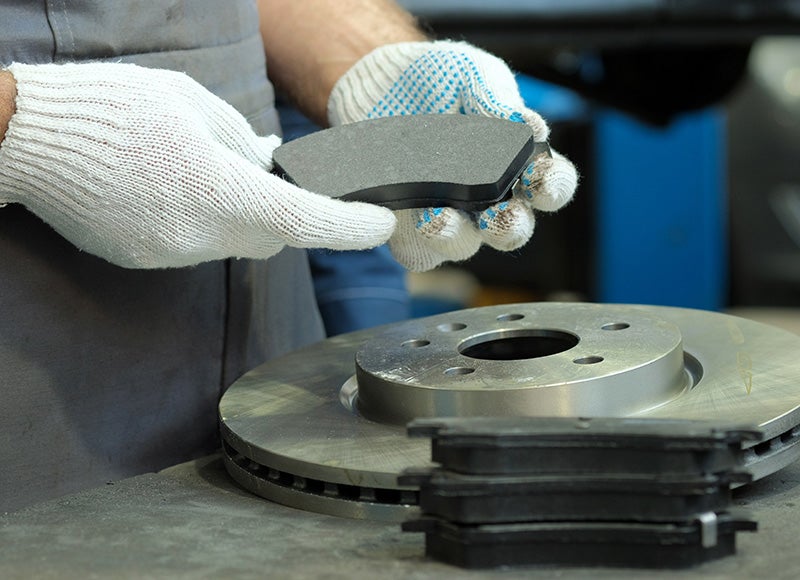
A mechanic wearing white and blue work gloves holds a new brake pad over a brake rotor and stack of pads.

Brake Service 101: Everything You Need to Know

Your brakes are one of the most important safety systems on any vehicle, and that includes brand-new cars. Even though a new vehicle starts with fresh pads, rotors, brake fluid, and factory-installed components, brake service still matters from the beginning because wear depends on driving habits, traffic, road conditions, weather, and vehicle load. Whether you drive mostly around Kalkaska, commute daily, or take longer trips across northern Michigan, staying on top of brake care is one of the smartest ways to protect your safety and your vehicle. What Is Included in Brake Service? Brake service can involve much more than simply replacing brake pads. A proper brake inspection usually includes checking the condition of the brake pads, rotors, calipers, brake lines, hoses, hardware, and brake fluid. Technicians also look for uneven wear, excessive heat, vibration, noise, leaks, and any signs that braking performance has changed. Depending on the condition of the vehicle, brake service may include a basic inspection, brake pad replacement, rotor resurfacing or replacement, brake fluid service, or repairs involving calipers and related hardware. Some drivers only need preventative maintenance, while others may need repairs after noticing squealing, grinding, shaking, or reduced stopping confidence. On newer vehicles, brake service is especially important because catching wear early can help prevent damage to more expensive components later. Replacing worn pads at the right time can help protect the rotors, preserve a smooth pedal feel, and maintain proper stopping performance. Brake Service Options for New Cars New-car owners often have several brake service options depending on what their vehicle needs. In some cases, all that is necessary is a routine brake inspection during scheduled maintenance. In other cases, a vehicle may need pad replacement, rotor attention, or brake fluid service sooner than expected because of traffic conditions, towing, steep grades, or more aggressive driving habits. Because modern braking systems are engineered to work as a complete system, using quality replacement parts matters. The right pads, rotors, and hardware can help maintain factory-like braking feel, reduce noise, and support long-term performance. For drivers who want confidence in compatibility and fit, dealership brake service is often the most reliable path. Why Brake Service Matters on a New Car One of the most common misconceptions among drivers is that a new car does not need brake attention for a long time. While it is true that a new vehicle starts with fresh components, brake wear begins immediately and can vary widely based on how and where the vehicle is driven. Stop-and-go traffic, wet roads, hilly terrain, towing, and repeated hard braking can all shorten brake life. Routine brake inspections help identify wear before it becomes a bigger and more expensive issue. If brake pads wear down too far, they can begin damaging the rotors, leading to more extensive repairs. Drivers may also start to notice warning signs such as squealing, grinding, pulsation in the pedal, or longer stopping distances. Addressing these concerns early helps maintain safety, ride quality, and peace of mind. How Often Should Brake Service Be Scheduled? There is no universal mileage interval that applies to every new car because brake wear depends heavily on driving conditions and driver habits. That is why it is best to have the brake system inspected regularly as part of routine maintenance instead of waiting for an obvious problem to appear. For most drivers, the best approach is to have the brakes checked during normal service visits and any time there is a noticeable change in sound, feel, or stopping performance. If you hear squealing or grinding, feel vibration through the brake pedal, notice reduced braking confidence, or see a warning light, it is a good idea to schedule service as soon as possible. Staying proactive with brake inspections is one of the easiest ways to avoid unexpected repair costs and help ensure your vehicle continues to perform the way it should. Why Get Brake Service at the Dealership? Choosing dealership brake service offers several advantages, especially for newer Chevrolet vehicles. Dealership technicians are trained to work on Chevrolet systems and understand the braking components, service procedures, and maintenance needs specific to your vehicle. That level of familiarity can make a real difference when it comes to accurate inspections and dependable repairs. Another major benefit is convenience. At the dealership, brake service can be handled alongside other recommended maintenance so your vehicle stays on schedule. That helps simplify ownership and gives you one trusted place to return for inspections, maintenance, and repairs. Dealership service also provides added confidence in parts compatibility and workmanship. When your brakes are one of the systems most responsible for keeping you safe on the road, it makes sense to trust a team that works with your brand every day. Brake Service at Voice Motor Sales in Kalkaska, MI If you are looking for dependable brake service in Kalkaska, Voice Motor Sales is here to help. Our service team works with drivers throughout the area who want reliable inspections, quality maintenance, and professional care for their Chevrolet vehicles. Whether your new car is due for a routine brake inspection or you have started noticing warning signs like noise, vibration, or reduced stopping performance, our team can help identify the right solution. At Voice Motor Sales, we know how important it is to keep your vehicle safe, responsive, and ready for the road. That is why we encourage drivers to stay ahead of brake wear with regular inspections and timely service. Schedule Brake Service with Voice Motor Sales Brake service is not something to put off, even on a new vehicle. Regular inspections and timely maintenance can help protect your stopping power, reduce long-term repair costs, and keep your vehicle performing at its best. If your vehicle is ready for a brake inspection or you have questions about brake service, contact Voice Motor Sales in Kalkaska, MI today. Schedule a Service Appointment Call the Service Department

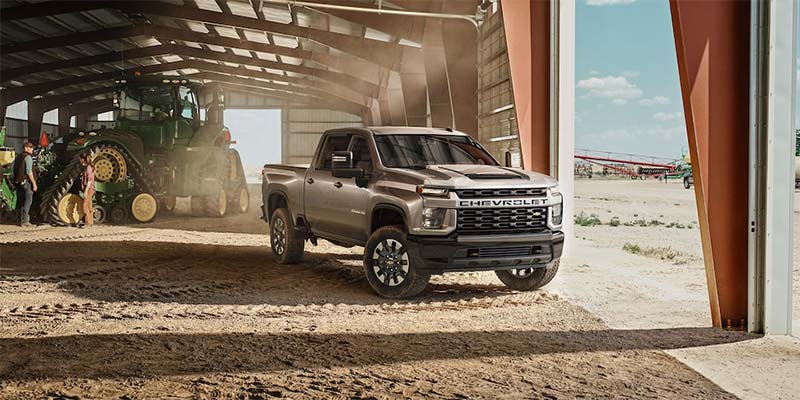
Gray Chevrolet truck parked inside a barn with a green tractor and people in the background.

Silverado 2500 HD vs 3500 HD: What's the Difference?

Chevy Silverado 2500 HD vs 3500 HD: What's the Difference? If you are shopping for a heavy-duty truck, one of the most common comparisons is Chevy Silverado 2500 HD vs 3500 HD. At a glance, these trucks look similar, offer many of the same features, and share the same heavy-duty attitude. The real difference comes down to capability. The Silverado 2500 HD is a great fit for drivers who need serious towing and hauling power for work, recreation, or day-to-day truck use, while the Silverado 3500 HD is designed for buyers who need even more payload and towing headroom for bigger trailers, heavier equipment, and tougher jobs. Both trucks are part of the Silverado HD lineup, and both are available with a 6.6L V8 gas engine or an available Duramax 6.6L Turbo-Diesel V8. That means many buyers are not choosing between a "good truck" and a "better truck." They are choosing between two trucks built for different levels of work. If your needs stay in the moderate-to-heavy range, the 2500 HD may be more than enough. If you regularly tow large fifth-wheel trailers, heavy equipment, or commercial loads, the 3500 HD gives you more built-in capacity. Chevy 2500 vs 3500: Primary Differences Category Chevy Silverado 2500 HD Chevy Silverado 3500 HD Starting MSRP $45,900 $46,800 Max Towing 22,420 lbs. 36,000 lbs. Max Conventional Towing Lower than 3500 HD overall Up to 20,000 lbs. in certain configurations Rear Wheel Setup Single rear wheel Single rear wheel or available dual rear wheel Best For Heavy personal use, jobsite work, campers, boats, equipment trailers Heavy commercial use, large RVs, bigger gooseneck and fifth-wheel trailers Everyday Drivability Easier to manage day to day Better for maximum capability Main Advantage Strong capability with a more everyday-friendly feel Higher towing and payload capacit Silverado 2500 HD vs 3500 HD Towing For many shoppers, towing is the biggest factor in this comparison. The Silverado 2500 HD has more than enough capability for many trailers, work setups, boats, and campers. It is a strong option for drivers who need a truck that works hard but still feels more practical for mixed personal and work use. The Silverado 3500 HD is where capability steps up in a major way. It is the better fit for shoppers towing large fifth-wheel campers, heavier machinery, or commercial trailers on a regular basis. In general, the 3500 HD is built to handle more demanding towing situations and gives buyers more room at the top end. Silverado 2500 vs 3500 Payload and Chassis Strength While towing gets most of the attention, payload is often just as important. Buyers hauling tools, bed cargo, hitch equipment, or trailer pin weight need to think beyond the headline tow number. The Silverado 3500 HD is built to handle heavier-duty loads and is available in configurations that better support demanding work requirements, including available dual rear wheel setups. That extra capacity is one of the main reasons buyers step up from a 2500 HD to a 3500 HD. In simple terms, the 2500 HD is ideal for shoppers who need a truck with strong heavy-duty capability without automatically moving into maximum-capacity territory. The 3500 HD is for shoppers who know they need more truck and want the confidence that comes with higher-rated configurations. Engine Options and Performance One reason the Silverado 2500 HD and 3500 HD are so often cross-shopped is that they offer very similar powertrain appeal. Both trucks are designed to deliver strong performance with available gas and diesel engine options, plus trailering technology that helps make towing easier and more controlled. The decision is usually less about engine choice and more about how much truck you truly need underneath you. That is good news for buyers, because it means you can shop based on actual use. If you want a truck for towing a camper, enclosed trailer, or equipment trailer without moving into the heaviest-duty setup, the 2500 HD can make a lot of sense. If your truck is going to spend more time towing at the upper limits, the 3500 HD is the smarter long-term choice. Which Heavy-Duty Chevy Truck Should You Buy? Choose the Chevy Silverado 2500 HD if you want a heavy-duty truck that balances strong towing power with more manageable day-to-day use. It is a popular choice for contractors, RV owners, boat owners, and truck shoppers who need real capability without going bigger than necessary. Choose the Chevy Silverado 3500 HD if your priority is maximum towing, heavier payloads, or larger trailer duty. It is the better option for shoppers towing big fifth-wheel campers, commercial trailers, or heavier jobsite equipment where extra capacity matters. The available dually setup is another major reason many buyers move up to the 3500 HD. Final Thoughts on Chevy 2500 vs 3500 When comparing the Chevy Silverado 2500 HD vs 3500 HD, the best choice comes down to how much capability you actually need. The 2500 HD is an excellent heavy-duty pickup for a wide range of truck buyers, while the 3500 HD is the right answer for those who need more serious towing and hauling strength. If you are trying to decide between the two, start with your trailer weight, cargo needs, and how often you plan to work the truck near its limits. That will usually tell you which Silverado HD belongs in your driveway. Search Silverado 2500 Inventory Search Silverado 3500 Inventory

A car salesman shows a smiling couple a new car inside a dealership.

What to Look for When Buying A Used Car

Buy Your Perfect Used Car When buying a used car, focus on its maintenance history, overall condition, and a thorough test drive to ensure you're getting a reliable vehicle. Carefully inspecting these key areas will help you avoid potential problems and make a smart investment. By prioritizing these factors, you can confidently find a pre-owned car that fits your needs and budget. What to Look For in a Used Car When shopping for a used car, there are several critical factors to consider. First, assess the vehicle's history report to check for any accidents or title issues. Next, inspect the car's exterior and interior for signs of wear and tear. Don't forget to take the car for a test drive to evaluate its performance and comfort. Additionally, consider the vehicle's mileage and maintenance records, as these can provide insight into its overall condition and reliability. By keeping these factors in mind, you can make a more informed choice and find a used car that meets your needs. Common Red Flags to Avoid Purchasing a used car can be both exciting and somewhat overwhelming due to the wide range of options available. Unlike new vehicles, each used car has its own history, condition, and level of wear, making it important to evaluate more than just the make and model. Factors such as mileage, maintenance history, previous ownership, and overall condition all play a role in determining a vehicle's true value. When selected carefully, a used car can offer significant savings and allow buyers to access higher trim levels or additional features that may not be feasible when purchasing new. Taking a structured and informed approach-such as researching reliability, reviewing a vehicle history report, and conducting a thorough inspection-helps ensure you identify potential issues early and make a confident, well-informed decision. Key things to look for when buying a used car: Clean vehicle history report (no major accidents or title issues) Consistent maintenance and service records Reasonable mileage for the vehicle's age No visible signs of major damage, rust, or poor repairs Smooth engine performance and transmission shifting No unusual noises during driving or idling Even tire wear (can indicate proper alignment and maintenance) Fully functioning electronics, lights, and features Comfortable ride quality and handling during test drive Pricing that aligns with market value (not unusually low without explanation) How to Choose the Right Used Car for You Choosing the right used car involves understanding your needs and preferences. Consider factors such as your budget, the size of the vehicle, fuel efficiency, and the type of driving you'll be doing. Are you looking for a compact car for city driving, or do you need a larger vehicle for family trips? Make a list of your must-have features and prioritize them during your search. This will help you narrow down your options and find a used car that fits your lifestyle perfectly. Financing Your Used Car Purchase When buying a used car, start by exploring all financing options to find the most favorable terms. Compare rates and loan terms from multiple lenders, and consider getting pre-approved through your bank or credit union to establish a clear budget and stronger negotiation power. Remember to factor in total ownership costs-insurance, registration, maintenance, and potential repair expenses-when calculating monthly payments. At Voice Motor Sales, our team can help you understand your financing choices and tailor a plan that fits your budget. The Benefits of Buying Used Buying a used car comes with numerous advantages. Not only can you save money compared to purchasing a new vehicle, but used cars also tend to depreciate at a slower rate. This means you can get more value for your investment. Furthermore, many used cars are still under warranty, providing you with peace of mind. By choosing a used car, you can enjoy the benefits of a reliable vehicle without breaking the bank. Get Expert Advice on Used Cars Ready to Find Your Used Car? If you're ready to embark on your journey to find the perfect used car, we're here to help! Our knowledgeable team is dedicated to guiding you through the process, ensuring you have all the information you need to make an informed decision. Explore our extensive inventory, and let us assist you in finding a used car that fits your needs and budget. Start your search today and drive away with confidence! Search Used Cars

Contact Us

Fill out this form below and we'll contact you shortly
*Required Fields