



');

Blog

All New Vehicles Service Used Cars Collision Center Parts & Accessories
Winter Warm Up?
in Service

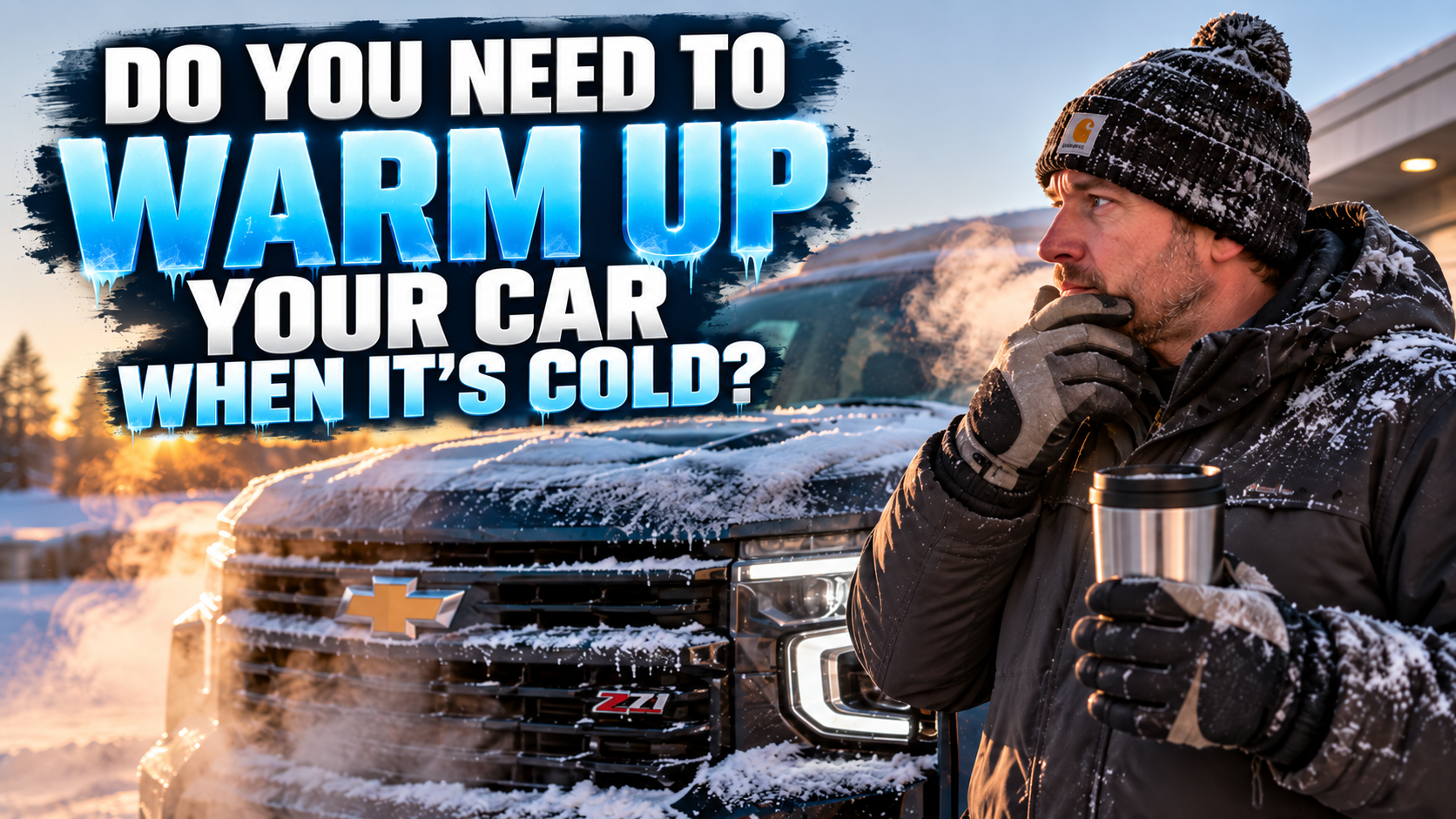
Do You Need to Warm Up Your Car in Winter? How Long Should You Idle Before Driving?

Do You Need to Warm Up Your Car in Winter? How Long Should You Idle Before Driving? Reviewed by the Voice Motor Sales Service Department in Kalkaska, Michigan For generations of drivers, warming up the car before leaving on a cold winter morning was simply part of the routine. Start the engine. Go back inside. Finish your coffee. Come outside 10 or 15 minutes later and finally start driving. But modern vehicles are very different from the carbureted vehicles that helped create that habit. So, do you still need to warm up your car before driving in winter? For most modern gasoline-powered vehicles, an extended warm-up period is generally unnecessary. After a brief period following startup, driving gently is usually a more effective way to bring the engine, transmission, and other components toward operating temperature than allowing the vehicle to sit and idle for an extended period. That does not mean you should start a vehicle at 10 degrees below zero and immediately accelerate hard onto the highway. Cold engines and drivetrains still need some consideration. Here is what Northern Michigan drivers should know about warming up a vehicle during cold weather. Do Modern Cars Need to Warm Up Before Driving? Most modern fuel-injected gasoline vehicles do not require the lengthy warm-up periods that older carbureted vehicles once did. After starting the engine, it is generally reasonable to allow a short period for oil to begin circulating, buckle your seat belt, adjust the climate controls, make sure the windshield is clear, and then begin driving. The important part comes next: drive gently until the vehicle warms up. Avoid immediately asking a cold engine for maximum acceleration, high engine speed, or heavy towing loads. Normal, moderate driving allows more than just the engine to begin warming. It also puts the transmission, wheel bearings, differential fluids, steering components, and other drivetrain systems into operation. How Long Should You Warm Up Your Car in Winter? There is no universal number of seconds that applies to every vehicle, temperature, and situation. For most modern vehicles, however, you generally do not need to let the engine idle for 10 or 15 minutes solely for the purpose of protecting the engine. A practical routine is: Start the vehicle. Fasten your seat belt and adjust the controls. Make sure the windshield, windows, mirrors, lights, cameras, and sensors are clear. Allow the engine to stabilize briefly. Begin driving normally but gently. Avoid hard acceleration until the vehicle has had time to warm up. Your owner's manual should always take priority if the manufacturer provides specific cold-weather operating instructions. Why Did Older Cars Need More Warm-Up Time? Much of the traditional advice about warming up vehicles comes from the era of carbureted engines. Carburetors mechanically controlled the mixture of fuel and air entering the engine and could behave differently during cold starts. Older lubricants, engine-management systems, and vehicle technology also made cold-weather operation different from what drivers experience today. Modern vehicles typically use electronic fuel injection and computer-controlled engine management to adjust fueling automatically based on operating conditions. That is one reason the old habit of allowing every vehicle to idle for an extended period no longer applies universally. Is Idling the Best Way to Warm Up an Engine? Usually not. An idling engine is operating under a very light load. Once you begin driving gently, the engine is doing more work and generally reaches operating temperature more efficiently. Driving also begins warming components that do very little while the vehicle remains parked. These can include: Automatic transmission fluid Manual transmission fluid Transfer case components Differential fluid Wheel bearings Suspension components Tires A warm engine does not necessarily mean the entire vehicle is fully warmed. Should You Drive Differently While the Engine Is Cold? Yes. The best approach is generally to drive normally but avoid placing unnecessary stress on a cold powertrain. During the first portion of your drive, avoid: Hard acceleration Very high engine speeds Full-throttle acceleration Heavy towing immediately after startup Unnecessary engine revving while parked Smooth acceleration and moderate engine speeds allow the vehicle to reach normal operating temperature gradually. Does Engine Oil Need Time to Warm Up? Engine oil is one reason drivers should still treat a cold engine differently from a fully warmed engine. Oil becomes more resistant to flow as temperatures fall. Modern engine oils are designed to operate across a wide temperature range, but extremely cold oil still behaves differently from oil at normal operating temperature. That is why using the exact oil viscosity and specification recommended by the vehicle manufacturer is particularly important in cold climates. Starting the engine begins circulating oil, but the oil does not instantly reach normal operating temperature. A brief idle followed by gentle driving allows the lubrication system and engine to warm progressively. Why You Shouldn't Rev a Cold Engine Revving the engine while parked does not provide a shortcut to properly warming the entire vehicle. Instead, it can place additional load and speed on internal engine components before the engine and lubricants have reached normal operating temperature. Let the engine settle after startup and then drive smoothly. What If It's Extremely Cold Outside? Northern Michigan occasionally experiences temperatures far below freezing, and extremely cold conditions can justify giving the vehicle a little more time before leaving. The engine may crank more slowly, fluids may be colder, windows may require substantial defrosting, and snow or ice may need to be removed. Even then, there is an important distinction between allowing a vehicle a little additional time in severe cold and automatically idling it for 15 or 20 minutes every winter morning. Follow the manufacturer's cold-weather recommendations for your particular vehicle. What Is a Block Heater? Some vehicles used in very cold climates may be equipped with or offer an engine block heater or another type of engine-heating system. Depending on the design, a block heater can help warm part of the engine or cooling system before startup. This may help with cold-weather starting and reduce the amount of time required for the engine to begin warming. If your vehicle has a factory-installed block heater, follow the instructions in the owner's manual regarding when and how to use it. What Is Remote Start Actually Good For? Remote start can be extremely convenient during a Northern Michigan winter—but cabin comfort and visibility are often the biggest benefits. Starting the vehicle before you get in can give the climate-control system time to begin: Warming the passenger compartment Defrosting the windshield Defogging windows Warming heated seats, if equipped and programmed to activate Warming the steering wheel, if equipped and programmed to activate That does not mean the engine mechanically requires an extended remote-start cycle before it can be driven. Remote start is often more about making the vehicle comfortable and getting the glass clear enough for safe driving. Defrosting Is a Good Reason to Wait Even if the engine does not need a long warm-up, you should not begin driving until you can see properly. If frost, ice, snow, or interior fog is blocking your view, allow the defroster enough time to work and use an appropriate ice scraper when necessary. Before driving, clear: The windshield Side windows Rear glass Exterior mirrors Headlights Taillights Exterior cameras Driver-assistance sensors when applicable Also remove accumulated snow from the hood, roof, and trunk or tonneau area so it does not blow onto your windshield or another vehicle while driving. Never Warm Up a Gasoline or Diesel Vehicle in a Closed Garage This is one winter rule that deserves particular emphasis. Never leave a gasoline or diesel vehicle running inside a closed or enclosed garage. Engine exhaust contains carbon monoxide, an odorless and potentially deadly gas. Opening the garage door after the vehicle has already been running inside is not a substitute for preventing exhaust accumulation in the first place. If you use remote start, make sure the vehicle is outdoors and the exhaust outlet is clear of snow or other obstructions. Does Warming Up Your Car Waste Gas? A gasoline or diesel engine consumes fuel whenever it is running. Extended idling therefore uses fuel while the vehicle travels zero miles. If an extended warm-up is not required for visibility, passenger comfort, or a vehicle-specific reason, letting the engine idle longer than necessary generally provides little benefit while continuing to consume fuel. Does Idling Charge a Weak Battery? If your vehicle is becoming difficult to start in cold weather, letting it idle for a few extra minutes is not a substitute for addressing a weak battery or charging-system problem. Cold temperatures place additional demands on automotive batteries, and a battery that seemed acceptable during summer may struggle once temperatures fall. Warning signs can include: Slow engine cranking Clicking when attempting to start Intermittent starting problems Electrical systems behaving unusually during startup A battery that repeatedly needs a jump-start If the vehicle is consistently slow to start, have the battery and charging system checked rather than relying on additional idle time. Learn more about battery service at Voice Motor Sales. What About Diesel Trucks? Diesel engines have their own cold-weather operating characteristics, so owners should follow the manufacturer's instructions for their particular truck. Some diesel vehicles use glow plugs or other intake-heating systems during cold starts. A dashboard indicator may tell the driver when the starting sequence is ready. Diesel owners should also pay attention to: Proper cold-weather fuel Fuel-filter condition Battery condition Correct engine oil Block-heater recommendations Manufacturer cold-start procedures Once running normally, the same basic principle applies: avoid demanding maximum power from a cold engine immediately after startup. What About Turbocharged Engines? Many modern vehicles use turbocharged engines. Turbochargers operate at very high speeds and depend on proper lubrication, making good oil maintenance particularly important. After a cold start, avoid immediately demanding maximum boost or full-throttle acceleration. Start the vehicle, allow it to stabilize briefly, and drive moderately while the engine and oil warm. Do Hybrid Vehicles Need to Warm Up? Hybrid vehicles manage engine operation differently from conventional gasoline vehicles. Depending on the vehicle and outside temperature, the gasoline engine may start automatically, shut off, restart, or operate according to the vehicle's own control strategy. Drivers generally should allow the hybrid system to manage itself and follow the cold-weather recommendations in the owner's manual rather than attempting to force a traditional warm-up routine. Do Electric Vehicles Need to Warm Up? Electric vehicles do not have a gasoline engine that needs to idle before driving. However, cold temperatures can affect battery performance and driving range. Many EVs allow drivers to precondition the vehicle before leaving. When possible, preconditioning an EV while it remains connected to a charger can warm the cabin—and on vehicles equipped for it, help condition the battery—while drawing energy from the electrical supply instead of relying entirely on stored battery energy. Should You Warm Up the Transmission? The transmission is one reason gentle driving is useful after a cold start. Letting the engine idle primarily warms the engine and cooling system. It does comparatively little to warm many drivetrain components. Once the vehicle begins moving, transmission fluid and other drivetrain lubricants begin circulating under normal operating conditions. Smooth acceleration during the first portion of the drive allows these systems to warm gradually. What About Four-Wheel Drive Systems? Trucks and SUVs commonly used in Northern Michigan may have transfer cases, front and rear differentials, and four-wheel-drive components containing their own lubricants. Those systems do not fully warm just because the engine has been idling in the driveway. Another reason to drive moderately at first is to allow the entire drivetrain—not simply the engine coolant—to come up in temperature. How Long Does It Take a Car to Fully Warm Up? There is no single answer. Warm-up time varies based on: Outside temperature Engine design Vehicle type Driving speed Engine load Oil specification Whether the vehicle is gasoline, diesel, hybrid, or electric Also remember that the coolant-temperature gauge does not necessarily tell you that every fluid and component in the vehicle has reached full operating temperature. Can You Damage Your Engine by Driving Immediately? Starting a modern vehicle and beginning to drive after a brief stabilization period is generally different from immediately subjecting the engine to maximum load. The behavior that deserves more caution is aggressive driving while the powertrain is still very cold. A reasonable routine is simply: Start it, buckle up, make sure you can see, and drive gently. What If Your Car Runs Rough When It's Cold? A cold engine may sound or feel somewhat different immediately after startup, but severe or persistent rough running should not simply be dismissed as normal winter behavior. Have the vehicle inspected if you notice: Repeated stalling Severe shaking Misfiring Unusual knocking or mechanical noises A flashing check engine light Difficulty keeping the engine running Excessive or unusual exhaust smoke Cold weather can sometimes reveal an underlying problem that was less noticeable during warmer conditions. What If Your Car Takes a Long Time to Produce Heat? Cabin heat naturally takes longer during very cold weather because the engine and cooling system have more warming to do. However, if your vehicle suddenly takes much longer to produce warm air than it did previously—or never produces adequate heat—there may be a cooling-system or HVAC concern. Problems involving coolant level, the thermostat, heater core, blend doors, actuators, or other components can affect cabin heating. If your heater is not working correctly, see our guide: Why Is My Car Heater Blowing Cold Air? 7 Common Causes. A Simple Cold-Morning Routine For most modern vehicles, winter mornings do not need to involve a complicated warm-up procedure. Make sure the exhaust outlet is not blocked by snow. Start the vehicle outdoors. Turn on the appropriate defrost and climate settings. Fasten your seat belt. Clear all necessary snow, frost, and ice. Make sure cameras, lights, mirrors, and windows are clear. Begin driving when visibility is safe. Accelerate moderately while the vehicle warms. Avoid high engine loads until the powertrain has had time to reach operating temperature. Always follow any vehicle-specific cold-weather instructions in your owner's manual. What Our Service Team Recommends At Voice Motor Sales, we recommend separating two different questions: Does the engine need to idle for a long time before you drive? For most modern gasoline vehicles, no. Should you give a cold vehicle some consideration before demanding maximum performance? Absolutely. Start the vehicle, allow it to stabilize briefly, make sure you have full visibility, and then drive moderately while it warms. Extended idling every morning is generally unnecessary solely for engine warm-up, but allowing additional time for windshield defrosting and passenger comfort can still be useful. Preparing Your Vehicle for a Northern Michigan Winter Cold-weather starting is only one part of winter vehicle preparation. Before temperatures fall significantly around Kalkaska, Traverse City, Grayling, Cadillac, Lake City, Mancelona, and surrounding Northern Michigan communities, consider checking: Battery condition Engine coolant and freeze protection Tire condition and pressure Windshield wipers Winter-grade washer fluid Exterior lighting Heating and defrost operation Brakes For additional seasonal maintenance information, read our Fall Vehicle Maintenance Checklist. Need Help Getting Your Vehicle Ready for Cold Weather? If your vehicle is becoming difficult to start, the heater is not working properly, the battery seems weak, or you want to take care of routine maintenance before winter, the Service Department at Voice Motor Sales in Kalkaska can help. Visit the Voice Motor Sales Service Department to learn more about available maintenance and repair services. You can also: Learn About Battery Service Learn About Tires View Current Service & Parts Specials Schedule a Service Appointment More Cold-Weather Vehicle Resources Fall Vehicle Maintenance Checklist Why Is My Car Heater Blowing Cold Air? 7 Common Causes Battery Service & Replacement Tire Care at Voice Motor Sales Voice Motor Sales Service Department Schedule Service Frequently Asked Questions About Warming Up a Car in Winter Do you need to warm up your car before driving in winter? Most modern fuel-injected gasoline vehicles do not require a lengthy idle period before driving. After allowing the engine to stabilize briefly and making sure visibility is safe, begin driving gently and avoid hard acceleration until the vehicle warms. How long should you let your car warm up before driving? There is no universal time for every vehicle. For most modern vehicles, a brief period after startup is generally sufficient before beginning to drive gently. Additional time may be needed to defrost windows, clear snow and ice, or follow vehicle-specific instructions during extreme cold. Is 10 minutes too long to warm up a car? Most modern gasoline vehicles generally do not need to idle for 10 minutes solely to warm the engine. Drivers may choose a longer remote-start period for cabin comfort or windshield defrosting, but extended idling is usually unnecessary for mechanical warm-up alone. Is it better to idle or drive to warm up a car? Gentle driving generally warms the engine and other drivetrain components more effectively than prolonged idling. Avoid aggressive acceleration and high engine loads until the vehicle has had time to warm. Should you warm up a car when it is below zero? Extreme cold can justify allowing somewhat more time after startup, particularly for defrosting and vehicle-specific cold-weather procedures. However, modern vehicles generally still do not require lengthy idling solely for engine warm-up. Follow your owner's manual. Does remote start help your engine in winter? Remote start can begin warming the engine and is particularly useful for passenger comfort and windshield defrosting. For most modern vehicles, however, a full remote-start cycle is not normally required simply to make the engine safe to drive. Should you rev your engine to warm it up faster? No. Avoid unnecessary revving immediately after a cold start. Let the engine stabilize and then drive moderately while the engine and lubricants warm. Do diesel trucks need to warm up longer? Diesel engines can have different cold-start procedures, including glow-plug or intake-heating systems. Follow the manufacturer's instructions for the specific diesel vehicle and avoid immediately placing a cold engine under maximum load. Do electric cars need to warm up? Electric vehicles do not have a gasoline engine that needs to idle before driving. However, preconditioning the cabin and, on equipped vehicles, the battery can improve cold-weather comfort and performance. Preconditioning while connected to a charger can also help preserve stored battery energy. Why does my car take so long to heat up in winter? Very cold temperatures naturally increase warm-up time. If cabin heat is much weaker than normal, takes unusually long to appear, or never becomes warm, a thermostat, coolant, heater-core, HVAC, or other vehicle concern may need to be diagnosed. Where can I have my vehicle checked before winter near Kalkaska, Michigan? The Voice Motor Sales Service Department in Kalkaska provides maintenance and cold-weather vehicle services for drivers throughout Kalkaska and surrounding Northern Michigan communities. Do You Need to Warm Up Your Car in Winter? | Voice Motor Sales

Read More
Heater Blowing Cold

Why Is My Car Heater Blowing Cold Air? 7 Common Causes

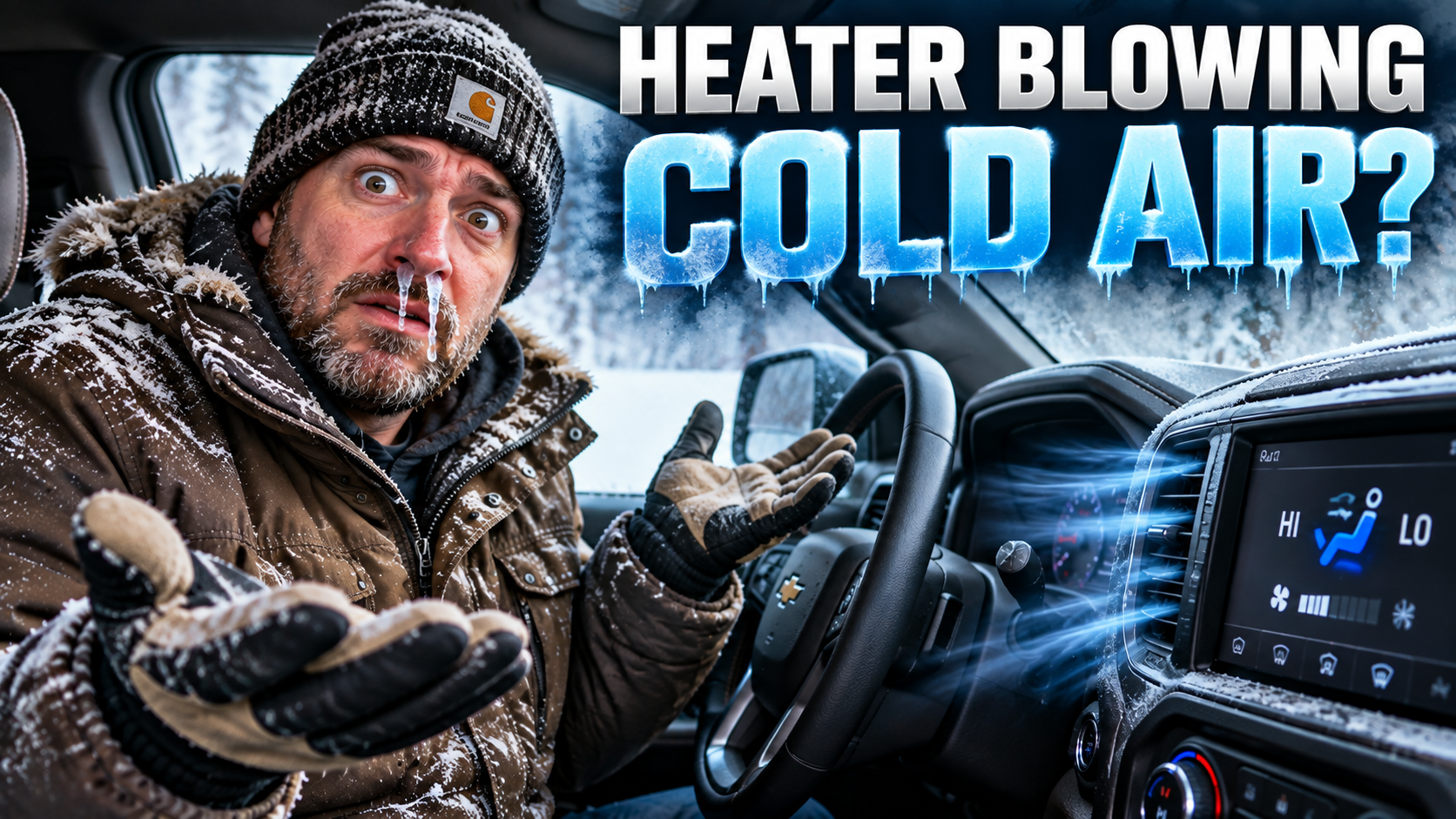
Why Is My Car Heater Blowing Cold Air? 7 Common Causes Reviewed by the Voice Motor Sales Service Department in Kalkaska, Michigan Turning on the heat and getting nothing but cold air is frustrating any time of year, but it becomes a much bigger problem once Northern Michigan temperatures begin to fall. A vehicle's heater depends on several systems working together. In many vehicles, heat from the engine's cooling system is used to warm the air entering the passenger compartment. That means a heater problem can sometimes involve much more than the dashboard climate controls. If your car heater is blowing cold air, taking a long time to warm up, working only while driving, or producing different temperatures from different vents, the symptoms can provide useful clues. Here are seven common reasons a car heater may stop producing warm air and when the problem deserves prompt attention. How Does a Car Heater Work? In a typical gasoline-powered vehicle, the engine creates heat while operating. Engine coolant absorbs some of that heat and circulates through the cooling system. When cabin heat is requested, warm coolant can flow through a small heat exchanger called the heater core. Air passes across the heater core and is directed through the vehicle's vents. Other components help control how much air moves through the system and where it goes, including: The blower motor Climate-control electronics Temperature or blend doors Actuators Coolant-control components on some vehicles Because several systems are involved, "the heater doesn't work" can describe several very different problems. 1. The Engine Hasn't Warmed Up Yet Some delay before warm air begins coming from the vents is normal. The engine and coolant need time to reach operating temperature, especially after a cold start. On a very cold Northern Michigan morning, the cabin may take noticeably longer to warm than it does during mild weather. The concern is when the engine has been running normally for an extended period and the vents still produce little or no heat. 2. Low Engine Coolant Low coolant is one possible reason a vehicle's heater may blow cold or only slightly warm air. The heater core relies on heated coolant circulating through it. If the cooling system is low, circulation through the heater circuit may be reduced or interrupted. Low coolant can be caused by a leak or another cooling-system problem and should not simply be treated as a heater inconvenience. Other possible signs of a cooling-system concern include: Engine temperature running higher than normal A coolant warning message Visible coolant underneath the vehicle A sweet smell Steam Frequently needing to add coolant If cabin heat suddenly disappears and the engine temperature is also rising, pay attention immediately. No Heat Plus Overheating Can Be a Warning Sign A heater that suddenly begins blowing cold while the engine temperature climbs can indicate a cooling-system problem that may require prompt attention. Continuing to operate an overheating engine can cause substantial damage. If the temperature gauge moves into an unsafe range, an overheating warning appears, or you see steam, move to a safe location and shut the engine off when appropriate. Do not remove a hot cooling-system cap. A pressurized cooling system can release extremely hot coolant and steam. 3. Thermostat Problems The engine thermostat helps regulate coolant flow so the engine can reach and maintain its intended operating temperature. If a thermostat is stuck open, the engine may run cooler than intended, particularly during cold weather. Possible symptoms can include: The heater taking a very long time to get warm Cabin heat that never becomes very hot An engine temperature gauge that remains unusually low Temperature changing noticeably during highway driving Thermostat problems are only one possibility, so the symptom should be diagnosed rather than assuming the thermostat automatically needs replacement. 4. Heater Core Problems The heater core is responsible for transferring heat from warm engine coolant to the air entering the cabin. If coolant cannot flow properly through the heater core, cabin heat may become weak or disappear. Possible heater-core concerns can include internal restrictions or leaks. Symptoms may include: Weak or inconsistent heat A sweet coolant smell inside the vehicle Windows developing an unusual film or fog Coolant loss Dampness near the passenger-side floor on some vehicles Not every case of weak heat indicates a bad heater core, but these symptoms are worth mentioning when the vehicle is inspected. 5. A Blend Door or HVAC Actuator Isn't Working Properly Modern heating and air-conditioning systems use internal doors to control where air flows and how much heated or cooled air reaches the cabin. Small electric actuators often move these doors when you change the temperature or vent settings. If a blend door or actuator is not moving correctly, the engine may be producing plenty of heat while the HVAC system continues sending cold air through the vents. Possible clues include: The driver's side is warm but the passenger side is cold Temperature does not change when the control is adjusted Heat works intermittently Clicking or tapping sounds from behind the dashboard Dual-zone climate control producing very different temperatures Why Does My Heater Work on One Side but Not the Other? Vehicles with dual-zone or multi-zone climate control can sometimes develop a problem where one side of the cabin receives warm air while another side remains cold. That type of symptom can point technicians toward climate-control doors, actuators, controls, or other HVAC-system components rather than immediately toward the engine cooling system. Tell your technician exactly which vents are affected and whether changing the temperature setting makes any difference. 6. Blower Motor or Airflow Problems There is an important difference between: Air coming from the vents but staying cold Little or no air coming from the vents at all If you can feel warm air but almost no airflow, the problem may involve the air-delivery side of the HVAC system rather than the source of the heat itself. Possible causes can include: Blower motor problems Electrical issues Blower-control components Airflow restrictions A severely restricted cabin air filter on applicable vehicles If the blower works only on certain fan-speed settings, mention that as well. That detail can help narrow the diagnosis. 7. Air Trapped in the Cooling System or a Coolant-Circulation Problem The heater depends on consistent coolant circulation. Air trapped in the system or another coolant-circulation problem can sometimes interfere with heater performance. This may become noticeable after: Cooling-system repairs Coolant service A coolant leak The cooling system becoming very low Heater performance that changes with engine speed can also provide useful diagnostic information. Why Does My Car Heater Work Only When I'm Driving? If the heater becomes warmer while driving or accelerating but turns cool while idling, coolant circulation may be one possibility to investigate. Low coolant, trapped air, heater-core restrictions, or other cooling-system conditions can sometimes create symptoms that change with engine speed. This is a useful symptom to describe accurately when scheduling service. Why Does My Heater Blow Warm Air While Driving but Cold Air at a Stop? This symptom deserves attention because it suggests that operating conditions are affecting heater output. Rather than repeatedly increasing the temperature setting, note: Whether the engine temperature gauge changes Whether heat improves when engine speed increases Whether the coolant level has recently been low Whether any repairs were recently performed on the cooling system Why Does My Car Take Forever to Warm Up? Cold outdoor temperatures naturally increase warm-up time, but a vehicle that suddenly takes much longer than it used to may have another issue. Possible factors can include: Very low ambient temperature A thermostat that is not regulating temperature correctly Cooling-system conditions HVAC temperature-control issues Compare the vehicle's current behavior with what has been normal for that same vehicle in similar weather. Can a Cabin Air Filter Cause No Heat? A cabin air filter primarily affects airflow, not the temperature of the coolant flowing through the heater core. A severely restricted filter may reduce how much air moves through the vents, making the heater feel ineffective even when the air itself is warm. If the vents produce warm air but the airflow is unusually weak, the cabin air filter can be one of several things worth checking. Does the Check Engine Light Come On for Heater Problems? Not every heater problem will illuminate the check engine light. However, certain engine-management or cooling-system concerns may trigger diagnostic trouble codes or warning messages. If your heater problem occurs along with a check engine light, temperature warning, or other dashboard message, mention all of those symptoms during diagnosis. You can learn more in our guide: Check Engine Light On? What It Means and What to Do Next. Why Is There a Sweet Smell Inside My Car? Engine coolant can have a distinctive sweet odor. If you notice that smell inside the passenger compartment—especially along with poor heat, coolant loss, unusual windshield fogging, or damp carpeting—it may be related to a cooling-system leak. Coolant should not be ignored. Besides affecting heater operation, low coolant can eventually contribute to engine overheating. Why Does My Windshield Keep Fogging When the Heater Is On? Some windshield fogging is normal when there is a large difference between interior and exterior temperature or when cabin humidity is high. However, persistent unusual fogging combined with a sweet odor or greasy-looking film can be another symptom worth reporting to a technician. Good heater and defroster operation is particularly important during Michigan winters because maintaining windshield visibility is a safety concern, not simply a comfort issue. Can You Drive With a Heater That Doesn't Work? Whether the vehicle is safe to drive depends on why the heater stopped working. If the engine temperature remains normal and the issue is limited to an HVAC control or airflow problem, the vehicle may still operate normally. However, a lack of heat becomes more serious when it is accompanied by: Engine overheating Low coolant Coolant leaking Steam Temperature warning lights Rapid temperature-gauge changes There is also the practical issue of windshield defrosting. A heater or HVAC system that cannot effectively clear the windshield can create a visibility problem during cold or wet weather. What Should You Check if Your Heater Is Blowing Cold? Without disassembling anything, there are several observations you can make before scheduling service. Note: Whether the engine reaches normal operating temperature Whether the heater ever becomes warm Whether heat changes while driving versus idling Whether both sides of the cabin have the same temperature Whether airflow is strong or weak Whether all fan speeds work Whether you smell coolant Whether any warning lights are on Whether the coolant level has been low Whether the vehicle has recently had cooling-system work These details can significantly narrow the diagnostic process. Don't Keep Adding Coolant Without Finding Out Where It Is Going If the cooling system repeatedly needs coolant, the important question is why. Continually topping off a leaking system without diagnosing the source can allow the underlying problem to become worse. Cooling-system leaks can sometimes be small or difficult to see, particularly when coolant only escapes under certain temperatures or pressures. What Our Service Team Recommends At Voice Motor Sales, we recommend looking at the complete symptom rather than assuming that every no-heat complaint means the heater core or thermostat has failed. Tell your technician: When the problem started Whether the heat stopped suddenly or gradually weakened Whether the problem changes while driving Whether the engine reaches normal temperature Whether one side of the cabin is warmer than the other Whether airflow is weak or completely absent Whether you have noticed coolant loss Whether there are any unusual smells Whether the temperature gauge has behaved differently That information can help distinguish between a cooling-system problem and an HVAC air-delivery or climate-control concern. Car Heater Problems in Northern Michigan A functioning heater is particularly important for drivers around Kalkaska, Traverse City, Grayling, Cadillac, Lake City, Mancelona, and surrounding Northern Michigan communities. Cabin comfort matters, but the heater and HVAC system also play an important role in keeping the windshield clear during cold, snowy, and damp conditions. If you notice weak heat during early fall, it can be worthwhile to have the problem addressed before colder weather becomes an everyday reality. For more seasonal vehicle preparation, read our Fall Vehicle Maintenance Checklist. Car Heater Not Working? Visit Voice Motor Sales If your heater is blowing cold air, taking too long to warm up, or working differently from one side of the cabin to the other, the Service Department at Voice Motor Sales in Kalkaska can help diagnose the cause. Visit the Voice Motor Sales Service Department to learn more about our automotive service department. You can also schedule a service appointment online or view current Service & Parts Specials. Related Vehicle Service Resources Fall Vehicle Maintenance Checklist Check Engine Light On? What It Means and What to Do Next Should You Wash Your Car in the Winter? Voice Motor Sales Service Department Current Service & Parts Specials Schedule a Service Appointment Frequently Asked Questions About Car Heater Problems Why is my car heater blowing cold air? Possible causes include low coolant, a thermostat problem, heater-core concerns, HVAC blend-door or actuator problems, or coolant-circulation issues. The exact cause depends on the vehicle and other symptoms. Why does my heater only work when I'm driving? If the heater gets warmer while driving or accelerating but cools down at idle, coolant circulation may be one area to investigate. Low coolant, trapped air, heater-core restrictions, or other cooling-system concerns can sometimes cause this type of symptom. Why does my car take so long to warm up? Very cold weather naturally increases warm-up time. If the vehicle takes much longer than it previously did, possible causes can include a thermostat that is not regulating engine temperature correctly or another cooling-system or HVAC concern. Can low coolant cause the heater to blow cold air? Yes. The heater relies on warm engine coolant circulating through the heater core. If coolant is too low, heater performance may be reduced and the engine may also be at risk of overheating. Why is one side of my car blowing hot air and the other side cold? On vehicles with dual-zone climate control, different temperatures from opposite sides of the cabin may indicate a problem involving a blend door, actuator, climate-control system, or another HVAC component. Why do I have no air coming from my vents? If no air or very little air comes from the vents, the problem may involve the blower motor, blower controls, electrical system, airflow restriction, or another HVAC component rather than the source of the heat itself. Can a bad thermostat cause no heat? A thermostat that remains open can prevent the engine from reaching its intended operating temperature, which may result in weak cabin heat or an unusually long warm-up time. Is it safe to drive if my car heater stops working? It depends on the cause. If the heater failure occurs with overheating, low coolant, coolant leakage, steam, or temperature warnings, stop and have the vehicle evaluated. A heater or defroster problem that prevents adequate windshield visibility can also create a safety concern. Where can I have my car heater checked near Kalkaska, Michigan? The Voice Motor Sales Service Department in Kalkaska can diagnose heating, cooling-system, and HVAC concerns for drivers throughout Kalkaska and surrounding Northern Michigan communities. Why Is My Car Heater Blowing Cold Air? 7 Causes | Voice Motor Sales
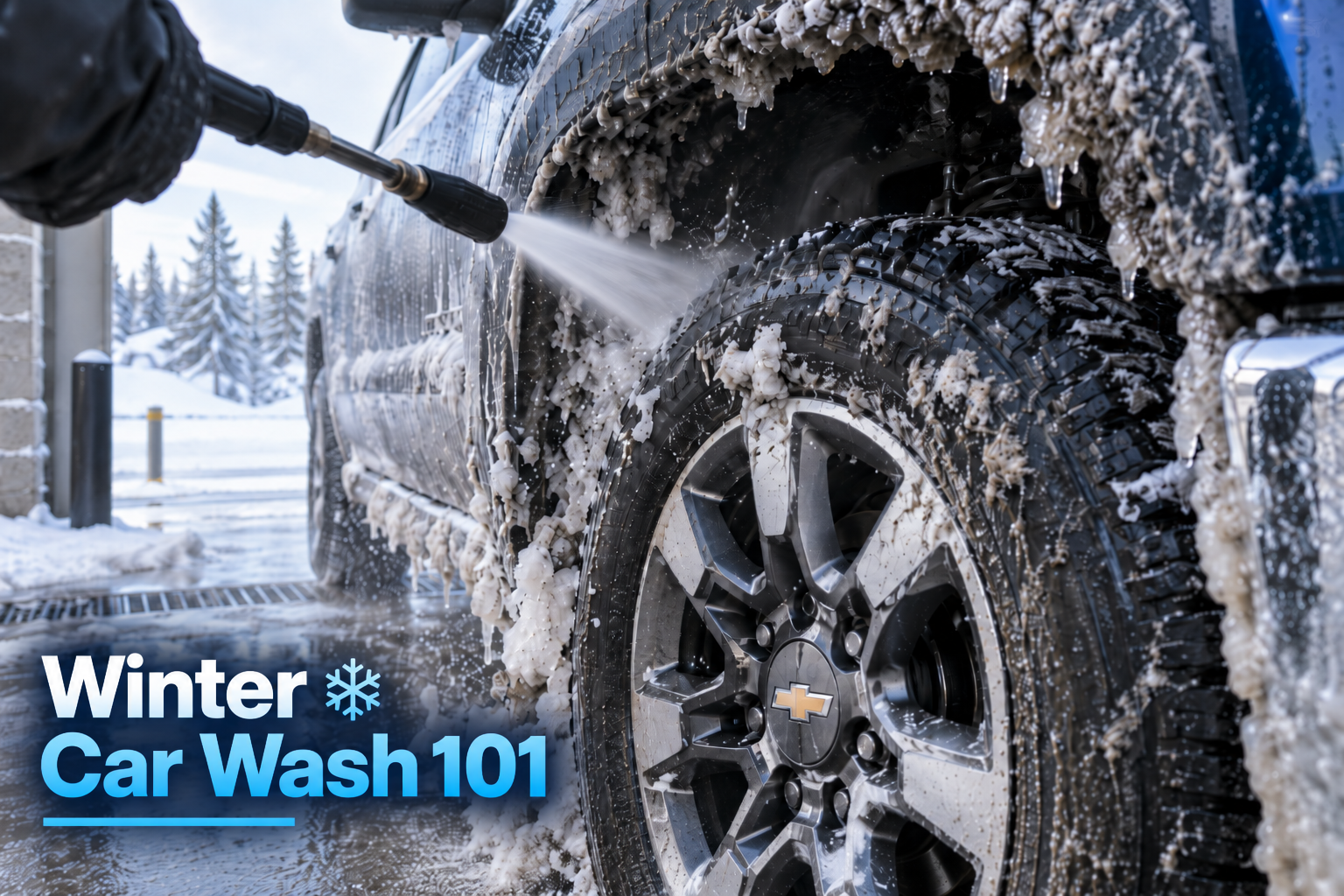
Winter Car Wash 101

Should You Wash Your Car in the Winter? How to Protect It From Salt, Slush, and Road Grime

Should You Wash Your Car in the Winter? How to Protect It From Salt, Slush, and Road Grime Reviewed by the Voice Motor Sales Service Department in Kalkaska, Michigan Washing your vehicle may seem like a summertime chore, but winter can actually be one of the most important times to keep it clean. Northern Michigan roads can expose vehicles to a constant mixture of snow, slush, moisture, dirt, and deicing materials. That gray coating that builds up along the doors, rocker panels, wheel openings, and tailgate is more than a cosmetic issue. Leaving winter grime on a vehicle for extended periods can give moisture and corrosive materials more time to remain in contact with painted and metal surfaces. So, should you wash your car in the winter? In most cases, yes. Regular winter washing—especially cleaning the lower body and underbody—can be a useful part of protecting your vehicle. The key is knowing when to wash it, what areas deserve the most attention, and how to avoid creating problems when temperatures are extremely cold. Why Is It Important to Wash Your Car in the Winter? Winter driving conditions can cover a vehicle with considerably more than ordinary dirt. During a typical Northern Michigan winter, your vehicle may encounter: Road salt and other deicing materials Snow and slush Sand and road grit Standing water Mud Dirty road spray from other vehicles These materials tend to collect on the lowest and most exposed areas of the vehicle, including the wheel wells, rocker panels, bumpers, suspension areas, and underside. Washing helps remove that buildup before it remains on the vehicle for an extended period. Does Road Salt Damage Cars? Road salt and other deicing materials are useful for improving winter-road conditions, but they can also contribute to corrosion when they remain on exposed metal surfaces in the presence of moisture. Modern vehicles are designed with corrosion protection, coatings, sealers, and treated materials, but no vehicle is completely immune to years of exposure. Areas that may deserve particular attention include: Rocker panels Wheel openings Lower portions of doors Frame and underbody components Suspension components Brake and fuel line areas Fasteners and brackets Areas where paint has already been chipped or damaged Removing winter contamination periodically can help limit how long those materials remain on the vehicle. How Often Should You Wash Your Car in the Winter? There is no single schedule that works for every driver. A practical rule of thumb during periods of frequent salt and slush is to consider washing the vehicle approximately every week or two, depending on road conditions and how much you drive. You may want to wash more frequently if: You drive every day on heavily treated roads Your commute includes a lot of highway driving The vehicle is visibly coated with salt or grime You regularly drive on rural roads You travel through repeated freeze-and-thaw cycles You notice heavy buildup around the wheels and lower body If the roads have been relatively dry and the vehicle remains clean, there may be less urgency. The goal is not necessarily to keep the vehicle spotless all winter. It is to prevent layers of winter contamination from remaining on it indefinitely. Should You Wash Your Car Every Time the Roads Are Salted? Usually that is not necessary. During a Northern Michigan winter, roads may be treated repeatedly. Washing after every single exposure could become impractical. Instead, watch the weather and road conditions. A good opportunity may be after a stretch of snowy or salty weather when temperatures moderate and the roads begin to dry. That allows you to remove accumulated grime without immediately covering the vehicle again on the drive home. Don't Forget the Undercarriage If the main reason you are washing the vehicle is winter salt, the underside may be one of the most important areas to clean. The paint on the hood can certainly get dirty, but the parts underneath the vehicle often receive the greatest exposure to wet road spray. When choosing an automatic wash during winter, look for an option that includes an underbody or undercarriage rinse. This can help flush accumulated material from areas that are difficult to reach during an ordinary exterior wash. Pay Attention to the Wheel Wells Wheel wells are another common collection point for winter debris. Tires continually throw water, slush, salt, sand, and road grime into these areas. Snow and ice can also become packed around: Wheel-opening liners Mud flaps Suspension areas The lower edges of bumpers Regularly removing heavy buildup can help keep these areas cleaner and may also prevent packed snow from rubbing against tires or interfering with surrounding components. Can You Wash a Car When It's Freezing Outside? You can wash a vehicle during cold weather, but extremely low temperatures require more caution. When the temperature is below freezing, water left on the vehicle can freeze before it has a chance to drain or evaporate. This can potentially lead to: Frozen door seals Frozen door handles Ice around mirrors Ice around the fuel door Ice forming around exterior trim Frozen water in crevices If possible, choose a relatively mild winter day rather than washing the vehicle during extreme cold. A commercial wash that operates in a heated environment and provides strong drying can also make winter washing easier. What Temperature Is Too Cold to Wash a Car? There is not one exact temperature that applies to every car wash, vehicle, or situation. As temperatures move well below freezing, the chance of water freezing on or around the vehicle increases. Whenever possible, choose a day when temperatures are near or above freezing and allow time for the vehicle to dry before temperatures fall sharply again. If you are using a commercial automatic wash, follow any temperature-related operating guidance provided by that facility. Dry the Doors and Seals After a Winter Car Wash One of the easiest ways to avoid a frozen door the next morning is to remove excess water after washing. After the wash, consider opening each door and wiping moisture from: Door edges Rubber weather seals Door jambs Trunk or liftgate openings Fuel-door area This only takes a few minutes and can reduce the amount of water remaining in areas that are susceptible to freezing. Automatic Car Wash vs. Hand Washing in the Winter Both can work, but winter changes the practical considerations. Automatic Car Wash Automatic washes can be convenient in winter because they may offer: Underbody rinsing High-pressure cleaning Indoor or partially enclosed washing Drying systems A quick way to remove heavy salt buildup The exact equipment and wash process vary by facility. Hand Washing Hand washing provides more control over how the vehicle is cleaned, but it can be difficult when outside temperatures are below freezing. If you hand wash a vehicle in winter, avoid allowing wash water to freeze on the driveway, walking surfaces, vehicle, or cleaning equipment. Is a Touchless Car Wash Good for Winter? A touchless wash can be useful for removing winter grime without brushes or other wash material contacting the paint. For drivers primarily concerned with quickly removing salt and road spray, a touchless wash with an underbody rinse can be a practical option. However, cleaning effectiveness varies by the amount of buildup, equipment, chemicals, pressure, and wash package. Extremely stubborn road film may require additional cleaning. Should You Wax Your Car Before Winter? Applying an appropriate wax, sealant, or other paint-protection product before winter can provide an additional layer between the vehicle's finish and environmental contamination. It does not eliminate the need for washing, but it may help make dirt and road film easier to remove while providing additional protection to the finish. Fall is a convenient time to clean and protect the vehicle before regular snow and road-treatment season begins. What About Rock Chips and Paint Damage? Small paint chips deserve attention before winter. Paint helps protect the underlying metal. When a stone chip or scratch exposes bare metal, moisture and road contamination have a more direct path to the surface underneath. Inspect areas that commonly receive road debris, including: Front edge of the hood Front bumper Rocker panels Lower doors Wheel-opening edges Addressing damaged paint before it becomes a larger problem can be easier than dealing with corrosion later. Clean Your Headlights and Taillights Too Winter grime can quickly coat headlights, taillights, turn signals, cameras, and license plates. Even if you do not have time for a full wash, periodically clean: Headlights Taillights Turn signals Backup camera lenses Exterior cameras Parking sensors License plates Clean lighting and camera surfaces can be particularly important during the darker days and poor visibility of a Michigan winter. Be Careful Around Sensors and Cameras Many modern vehicles use exterior cameras, radar systems, and ultrasonic sensors to support driver-assistance features. Snow, ice, salt, and heavy road grime can temporarily obstruct some of these components. If your vehicle displays a message indicating that a camera or driver-assistance feature is unavailable, check whether the relevant exterior area is covered with snow, ice, or grime. Follow the cleaning instructions in your owner's manual and avoid using sharp objects to remove ice from cameras or sensor surfaces. Don't Use Hot Water to Melt Ice on Your Windshield Pouring very hot water onto frozen automotive glass is not a good winter shortcut. Rapid temperature changes can place unnecessary stress on the glass, particularly if the windshield already has a chip or crack. Use the vehicle's defroster and an appropriate ice scraper instead. Should You Wash Your Vehicle After a Snowstorm? Not necessarily immediately. If roads are still wet, slushy, and heavily treated, washing the vehicle only to immediately drive through the same conditions may accomplish very little. It can make more sense to wait until: The storm has passed Roads have been cleared Conditions begin drying Temperatures are favorable for washing Then wash away the buildup accumulated during the storm. What About a Vehicle That Sits in a Garage? Garage parking does not eliminate the need for winter washing. In fact, snow and slush carried into a warmer garage may melt and keep the underside of the vehicle wet for a period of time. If the vehicle has accumulated significant salt and road grime, periodically cleaning it is still worthwhile even if it spends every night indoors. Should You Wash a New Vehicle During the Winter? Yes. A new vehicle is still exposed to the same road conditions as an older one. Keeping a new vehicle clean from the beginning can help maintain its appearance and gives you opportunities to notice paint chips, scratches, or other exterior damage early. Always follow the vehicle manufacturer's care recommendations for paint, trim, cameras, sensors, and other exterior components. Should You Wash an Older Vehicle More Often? An older vehicle may have existing paint chips, surface corrosion, worn coatings, or previously repaired areas that make regular inspection especially worthwhile. Washing the vehicle gives you an opportunity to look for: New rust spots Paint bubbling Stone chips Damaged trim Loose splash shields Damage around wheel wells Catching a small issue early can sometimes prevent it from becoming a much larger repair. A Simple Winter Car-Wash Routine Winter vehicle care does not need to be complicated. A practical routine might look like this: Wait for a reasonable weather window when possible. Choose a wash that includes an underbody rinse. Remove heavy salt and grime from the lower body and wheel wells. Make sure headlights, taillights, cameras, and sensors are clean. Allow the vehicle to dry thoroughly. Wipe excess water from door jambs and weather seals during freezing weather. Inspect the vehicle for paint chips or exterior damage while it is clean. What Our Service Team Recommends At Voice Motor Sales, we recommend thinking of winter washing as part of seasonal vehicle care rather than simply a way to keep your car looking clean. During periods of heavy road salt and slush, focus especially on: The underbody Wheel wells Rocker panels Lower doors Bumpers Lighting Exterior cameras and sensors You do not have to wash the vehicle every time it snows. Instead, watch the conditions and remove accumulated winter grime regularly throughout the season. Winter Vehicle Care in Northern Michigan Drivers in Kalkaska, Traverse City, Grayling, Cadillac, Lake City, Mancelona, and surrounding Northern Michigan communities know how quickly a clean vehicle can become covered with road spray during winter. Frequent snow, freezing temperatures, rural roads, and changing conditions can make winter particularly demanding on vehicles. Washing is only one part of preparing for those conditions. It is also a good time to keep an eye on: Tire condition and pressure Battery condition Windshield wipers Washer fluid Brakes Exterior lighting Engine coolant For a broader seasonal checklist, read our Fall Vehicle Maintenance Checklist: Get Ready Before Colder Weather Arrives. Need Help Getting Your Vehicle Ready for Winter? Washing away winter grime is something most vehicle owners can handle themselves, but winter is also a good time to make sure the rest of the vehicle is ready for colder weather. The Service Department at Voice Motor Sales in Kalkaska can help with routine maintenance, tires, batteries, brakes, wipers, fluids, and other seasonal vehicle needs. Visit the Voice Motor Sales Service Department to learn more. You can also view current Service & Parts Specials or schedule a service appointment online. More Winter Vehicle Care Resources Fall Vehicle Maintenance Checklist Learn About Tires at Voice Motor Sales Battery Service & Replacement Order Genuine GM & ACDelco Parts Voice Motor Sales Service Department Schedule Service Frequently Asked Questions About Washing a Car in Winter Should you wash your car in the winter? Yes. Periodically washing a vehicle during winter can help remove road salt, dirt, slush, and other contamination. Pay particular attention to the lower body, wheel wells, and undercarriage. How often should you wash your car in winter? The ideal frequency depends on driving conditions. During periods of heavy road salt and slush, washing approximately every week or two can be a reasonable rule of thumb. Drivers who travel frequently on heavily treated roads may want to wash more often. Does road salt cause rust? Salt and other deicing materials can contribute to corrosion when moisture and exposed metal are present. Regularly removing accumulated winter contamination can reduce how long these materials remain on the vehicle. Should I get an undercarriage wash in the winter? An underbody rinse can be particularly useful during winter because road spray can carry salt, slush, and grime onto components underneath the vehicle that are difficult to clean during a basic exterior wash. Can you wash a car when it is below freezing? It is possible, but additional care is needed because remaining water can freeze around door seals, handles, mirrors, trim, and other areas. When possible, choose a milder winter day or a commercial wash designed to operate in cold conditions. Is a touchless car wash good for winter? A touchless wash can be a convenient way to remove winter road grime, particularly when it includes an underbody rinse. Cleaning effectiveness varies by facility and by how heavily contaminated the vehicle is. Should I wash my car immediately after a snowstorm? Not necessarily. If roads are still covered with wet salt and slush, it may make sense to wait until the storm has passed and road conditions improve before washing away the accumulated buildup. Can I wash my car before temperatures drop below freezing? Yes, but give the vehicle time to dry when possible. Wiping moisture from door jambs and weather seals can also help reduce the chance of doors freezing shut when temperatures fall. Where can I get my vehicle ready for winter near Kalkaska, Michigan? The Voice Motor Sales Service Department in Kalkaska provides maintenance and seasonal vehicle services for drivers throughout Kalkaska and surrounding Northern Michigan communities. Should You Wash Your Car in Winter? Salt & Winter Car Care | Voice Motor Sales

When Is the Best Time to Buy a Car?

When Is the Best Time to Buy a Car?

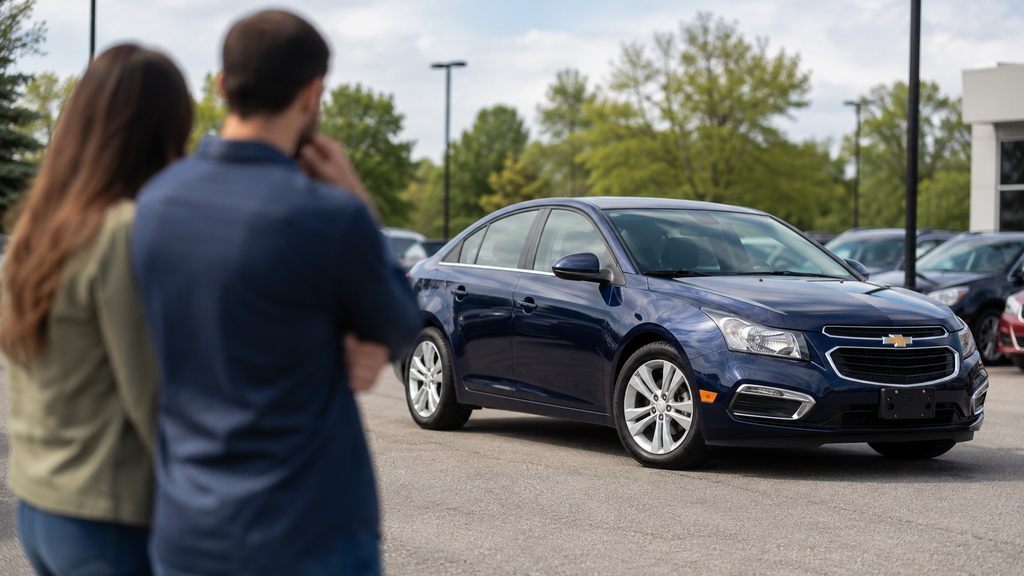
When Is the Best Time to Buy a Car? By Voice Motor Sales in Kalkaska, Michigan Is December the best month to buy a car? Should you wait for a holiday sale, shop at the end of the month, or buy before the next model year arrives? The best time to buy a car is when the right vehicle, an affordable total cost, and your transportation needs line up. Certain shopping periods can create opportunities, but no date guarantees the lowest price. For drivers in Kalkaska and throughout Northern Michigan, a little preparation can be more useful than trying to predict the perfect sale. Here is how to decide when to shop and when waiting may make sense. Is There a Best Month to Buy a Car? Late-year shopping is worth considering, particularly when dealerships have outgoing model-year vehicles available. However, pricing depends on the specific vehicle, remaining inventory, and applicable manufacturer programs. Car and Driver identifies the end of the calendar year and model-year transitions as periods to consider. Treat those as shopping opportunities, not promises that every vehicle will cost less. Start by identifying the vehicle you want and comparing actual purchase figures. A good fit available today may be more valuable than an uncertain future discount. Does Buying at the End of the Month Help? Sometimes. Dealership sales goals and inventory priorities can influence offers, but shoppers cannot assume every dealership or vehicle is in the same situation. If you want to compare an end-of-month opportunity, research and test-drive vehicles earlier. That gives you time to review pricing without making a rushed decision. Confirm the expiration date of any offer. Do not assume it ends on the last calendar day or will continue into the following month. Should You Wait for a Holiday Sale? Holiday events can be a useful reminder to check available offers. However, the sale name does not tell you whether the deal fits your situation. When reviewing an advertised offer, ask: Which vehicles qualify? What eligibility requirements apply? Can the advertised incentives be combined? What is the complete purchase price? When does the offer expire? Keep the comparison consistent. A lower payment on a longer loan is different from a lower vehicle price. The FTC recommends evaluating the total financing cost, including the APR and loan term, rather than concentrating only on the monthly payment. Is an Outgoing Model Year a Better Buy? An outgoing model-year vehicle may offer an attractive opportunity when newer models arrive. The tradeoff is selection: the exact color, trim, or equipment package you want may no longer be available. Compare the actual vehicles side by side. Consider differences in features, purchase price, available financing, and how long you expect to keep the vehicle. Model-year changes do not happen on one universal date. Edmunds explains that model introductions vary, making vehicle-specific research more useful than assuming every new model arrives in the fall. When Is the Best Time to Buy a Used Car? With a used vehicle, focus closely on the individual car. Two vehicles from the same model year can differ substantially in mileage, condition, equipment, and maintenance history. Before deciding that a particular listing is a good opportunity, compare: The asking price with similar vehicles Mileage and overall condition Available vehicle-history and maintenance information Features that matter to your household Financing terms and expected ownership expenses Begin with our current used vehicle inventory. Give yourself enough time to evaluate a vehicle carefully without assuming the same combination will remain available indefinitely. Should You Buy Before Winter in Northern Michigan? If you already expect to replace your vehicle, shopping before winter can give you time to compare options before transportation becomes urgent. Think about your actual routine: commuting between Kalkaska and Traverse City, driving rural roads, carrying family members, or traveling for work. Consider tires, ground clearance, visibility, and overall vehicle condition alongside drivetrain choices. This is a planning advantage, not a claim that fall always brings lower prices. The goal is to avoid having an unexpected breakdown make the decision for you. When Does Waiting Make Sense? Waiting may be worthwhile when your current vehicle meets your needs and additional time would improve your financial position or help you clarify what to buy. You might use that time to build a down payment, compare insurance costs, review your credit reports, or narrow your must-have features. Set a specific goal, such as saving a certain amount, rather than waiting indefinitely for an undefined “better deal.” When Might Buying Now Make More Sense? Consider moving forward when you have found a suitable vehicle, understand the complete transaction, and can comfortably manage the cost. Also consider the expense of waiting. Recurring repairs, rental transportation, or missed work can affect the comparison. Estimate those costs without assuming that every repair means your current vehicle should be replaced. What to Check Before You Decide Vehicle fit: Does it meet your everyday needs? Total price: Have you reviewed an itemized purchase amount? Trade-in: Do you know its value and any remaining payoff? Financing: Have you compared the APR, term, and total payments? Cash reserves: Will you retain money for other expenses? Timing: Is there a practical reason to buy or wait? Explore Your Options at Voice Motor Sales You do not need to choose a purchase date before starting your research. At Voice Motor Sales in Kalkaska, begin by browsing new Chevrolet vehicles, exploring used inventory, or requesting an online trade appraisal. Visit our finance department page to learn about financing options, or contact Voice Motor Sales with questions about a vehicle. Frequently Asked Questions Is December always the cheapest month to buy a car? No. December can provide shopping opportunities, but prices depend on the vehicle, inventory, and available offers. Compare actual purchase figures rather than assuming a particular month guarantees savings. Should I wait for the next model year? Compare the features and cost of the incoming model with available outgoing models. Waiting may make sense if a specific change matters to you; an available vehicle may already meet your needs. Is there a best day of the week to buy a car? No weekday guarantees the lowest price. Schedule a visit when you have enough time to test-drive vehicles, ask questions, and review the purchase details without rushing. Is a holiday sale automatically a better deal? No. Compare the complete price, eligibility requirements, financing terms, and offer expiration. A promotional event alone does not establish which option is best for your budget. Vehicle availability and offers can change. Financing, incentives, rates, and terms are subject to applicable eligibility requirements and credit approval. Best Time to Buy a Car in Michigan | Voice Motor Sales

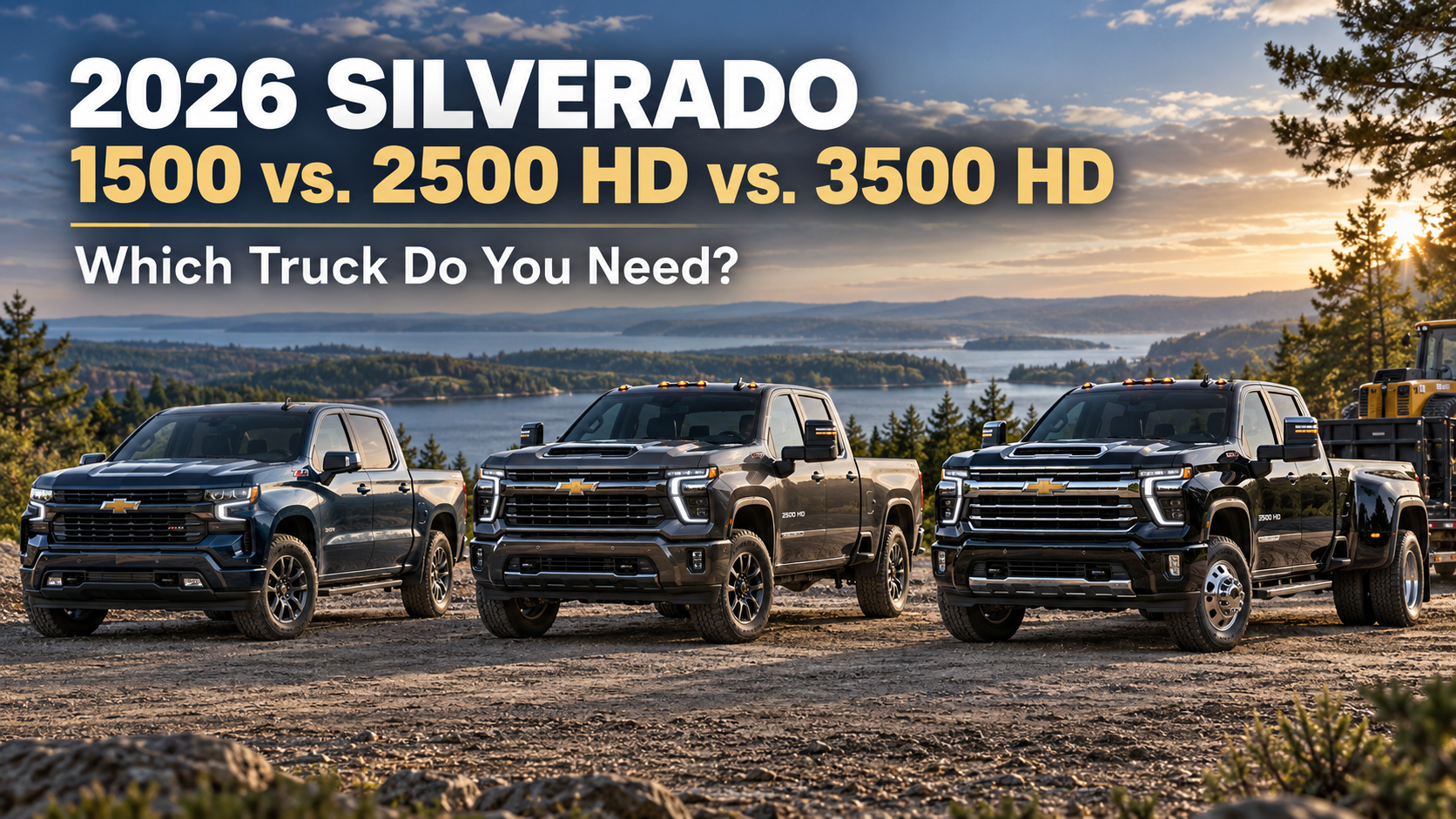
Chevy Silverado 1500 vs. 2500 HD vs. 3500 HD

2026 Chevy Silverado 1500 vs. 2500 HD vs. 3500 HD: Which Truck Do You Need?

2026 Chevy Silverado 1500 vs. 2500 HD vs. 3500 HD: Which Truck Do You Need? Reviewed by the Voice Motor Sales Sales Department in Kalkaska, Michigan If you know you want a Chevrolet Silverado but are trying to decide between a Silverado 1500, Silverado 2500 HD, and Silverado 3500 HD, the most important question is not simply which truck is bigger. The better question is: What do you actually need your truck to do? For many drivers, the Silverado 1500 provides plenty of capability while remaining comfortable and practical for everyday use. The Silverado 2500 HD moves into serious heavy-duty towing and hauling territory. The Silverado 3500 HD goes farther, offering substantially greater payload capability and available dual rear wheels for some of Chevrolet's heaviest towing applications. The right choice depends on what you tow, how much weight you carry in the truck, how often you tow, and how much heavy-duty capability you really need. Here is a closer look at the 2026 Chevrolet Silverado 1500 vs. 2500 HD vs. 3500 HD and where each truck fits. Silverado 1500 vs. 2500 HD vs. 3500 HD at a Glance 2026 Chevrolet Silverado Capability Comparison Specification Silverado 1500 Silverado 2500 HD Silverado 3500 HD Truck Class Light-Duty / Half-Ton Heavy-Duty / Three-Quarter-Ton Heavy-Duty / One-Ton Max Available Towing 13,300 lbs. 22,420 lbs. 36,000 lbs. Max Available Payload 2,260 lbs. 4,101 lbs. 7,237 lbs. Gas Engine Choices TurboMax, 5.3L V8, 6.2L V8 6.6L V8 6.6L V8 Diesel Engine 3.0L Duramax Turbo-Diesel 6.6L Duramax Turbo-Diesel V8 6.6L Duramax Turbo-Diesel V8 Dual Rear Wheels Available No No Yes Typical Focus Everyday use, moderate towing and hauling Heavy towing and hauling Maximum towing, payload and heavy-duty work Maximum ratings require specific configurations and equipment. The towing and payload capacity of an individual truck may be considerably different from the maximum figures shown above. Always verify the ratings of the specific truck and trailer before towing. What Do 1500, 2500, and 3500 Actually Mean? Silverado's 1500, 2500, and 3500 designations identify different levels of truck capability. They are commonly associated with traditional truck classifications: Silverado 1500: commonly called a half-ton pickup Silverado 2500 HD: commonly called a three-quarter-ton pickup Silverado 3500 HD: commonly called a one-ton pickup Those names are historical classifications. They do not mean that a Silverado 1500 can only carry 1,000 pounds or a Silverado 3500 can only carry 2,000 pounds. Modern trucks can carry considerably more than those old classifications suggest. 2026 Silverado 1500: The Everyday Full-Size Pickup The Silverado 1500 is Chevrolet's light-duty full-size pickup and will provide all the truck many drivers ever need. It combines significant towing and payload capability with a wider range of engine choices and the everyday driving characteristics many people want from a personal vehicle. Chevrolet lists a maximum available towing capacity of 13,300 pounds and maximum available payload of 2,260 pounds for the 2026 Silverado 1500 when properly configured. 2026 Silverado 1500 Engine Choices One advantage of the Silverado 1500 is the variety of available powertrains. TurboMax 310 horsepower 430 lb.-ft. of torque 8-speed automatic transmission 5.3L EcoTec3 V8 355 horsepower 383 lb.-ft. of torque 10-speed automatic transmission 6.2L EcoTec3 V8 420 horsepower 460 lb.-ft. of torque 10-speed automatic transmission 3.0L Duramax Turbo-Diesel 305 horsepower 495 lb.-ft. of torque 10-speed automatic transmission Available towing capability up to 13,300 pounds when properly equipped Who Should Consider a Silverado 1500? A Silverado 1500 may make sense for someone who uses a truck as both an everyday vehicle and a tow or work vehicle. Typical uses might include: Daily commuting Home improvement projects Hauling ATVs or side-by-sides Pulling many boats Pulling utility trailers Towing appropriately sized travel trailers Carrying recreational equipment Property maintenance Light commercial work The important qualifier is trailer weight. A boat, camper, or equipment trailer can range dramatically in size and loaded weight, so the actual truck configuration still needs to be matched to the specific trailer. Why Choose a 1500 Instead of an HD? More capability is not automatically better if you do not need it. Compared with an HD truck, a Silverado 1500 can offer advantages for someone who spends most of their time driving without a heavy trailer. Depending on configuration, those advantages can include: Easier everyday maneuverability More powertrain choices Potentially better fuel economy A more everyday-oriented ride More than enough towing capability for many recreational trailers If your loaded trailer comfortably fits within the truck's ratings and you do not need HD-level payload, moving to a 2500 or 3500 solely because it is larger may not be necessary. 2026 Silverado 2500 HD: The Step Into Heavy-Duty Capability Silverado 2500 HD is where the lineup makes a major jump in towing, payload, engine size, chassis capability, and overall heavy-duty construction. Chevrolet lists a maximum available towing capacity of 22,420 pounds for the 2026 Silverado 2500 HD. Maximum available payload increases to 4,101 pounds. That difference is why the 2500 HD becomes particularly important for drivers towing larger campers, heavy equipment trailers, larger enclosed trailers, and other loads that can begin to push beyond the practical limits of a light-duty pickup. 2026 Silverado 2500 HD Engine Choices Rather than the four-engine lineup found in the 1500, Silverado HD focuses on two 6.6-liter V8 powertrains. 6.6L Gas V8 401 horsepower 464 lb.-ft. of torque 10-speed Allison automatic transmission 6.6L Duramax Turbo-Diesel V8 470 horsepower 975 lb.-ft. of torque 10-speed Allison automatic transmission Both engines provide substantially different characteristics from the light-duty Silverado powertrain lineup. Gas vs. Diesel in a Silverado 2500 HD Choosing between the 6.6L gasoline V8 and Duramax diesel deserves its own consideration. The gas engine can be attractive to owners who want HD chassis and payload capability without necessarily needing maximum diesel torque. The Duramax may be particularly appealing to drivers who frequently tow heavier trailers, travel long distances with a trailer, or want the HD lineup's highest available torque. Diesel also adds purchase cost and changes maintenance and operating considerations, so engine selection should be based on how the truck will actually be used rather than simply choosing the engine with the larger torque number. Who Should Consider a Silverado 2500 HD? Silverado 2500 HD becomes especially relevant when towing and payload are regular parts of the truck's job. Possible uses include: Larger travel trailers Some fifth-wheel trailers Heavy equipment trailers Construction trailers Farm use Commercial work Snow and property-management equipment Heavy loads in the bed Frequent long-distance towing Again, the specific loaded trailer weight and the exact truck ratings should determine whether a particular 2500 HD configuration is appropriate. 2026 Silverado 3500 HD: Maximum Silverado Pickup Capability The Silverado 3500 HD takes the basic heavy-duty formula another step. Chevrolet lists maximum available towing of 36,000 pounds and maximum available payload of 7,237 pounds for the 2026 Silverado 3500 HD when properly configured. The 3500 HD is also the Silverado model that introduces an important additional option: dual rear wheels. What Is a Dually? A dual-rear-wheel truck, commonly called a dually, has two rear tires on each side instead of one. A 3500 HD can be configured as either: SRW: Single rear wheel DRW: Dual rear wheel Dual rear wheels allow certain 3500 HD configurations to handle substantially greater rear-axle and payload demands, which becomes especially important with heavy gooseneck and fifth-wheel trailers. The tradeoff is that a dually is wider and is generally more truck than a driver needs if heavy payload and towing are not part of its regular job. 2500 vs. 3500: What's the Real Difference? This is often the harder comparison. The Silverado 2500 HD and 3500 HD offer the same two primary engines: 6.6L gasoline V8 6.6L Duramax Turbo-Diesel V8 So moving from a 2500 to a 3500 does not necessarily mean moving to a more powerful engine. The major difference is the truck's ability to support more weight. The 3500 HD can offer: Higher GVWR depending on configuration Higher maximum payload Greater maximum towing capability Available dual rear wheels Greater capability for high trailer pin or tongue weight That last point is particularly important. Don't Compare Trucks Using Towing Capacity Alone Maximum towing capacity gets most of the attention in truck advertising, but it is not the only number that matters. In some situations, payload capacity can be the limiting factor before maximum trailer weight is reached. Payload can include weight from: Driver Passengers Cargo in the cab Cargo in the bed Accessories Trailer tongue weight or pin weight That is why two trucks that can both technically pull a particular trailer may not have the same ability to carry everything associated with that trailer. Why Payload Matters With a Fifth-Wheel Camper Fifth-wheel trailers are a good example. A portion of the trailer's weight is supported directly by the truck through the hitch mounted in the bed. That weight counts against the truck's available payload. Once passengers, a hitch, tools, cargo, and other equipment are added, a truck can approach its payload rating even when the trailer itself is technically below the truck's advertised maximum towing capacity. This is one of the main reasons someone shopping for a large fifth-wheel camper may end up comparing a 2500 HD with a 3500 HD rather than looking only at maximum tow ratings. Silverado 1500 vs. 2500 for Towing The choice between a 1500 and 2500 often comes down to how heavy the trailer is and how frequently you tow it. Silverado 1500 offers up to: 13,300 pounds maximum available towing 2,260 pounds maximum available payload Silverado 2500 HD increases those maximums to: 22,420 pounds maximum available towing 4,101 pounds maximum available payload That is a substantial step. If your trailer falls comfortably within a properly equipped Silverado 1500's ratings, the 1500 may provide the capability you need without moving into an HD truck. If your trailer or payload begins approaching light-duty limits—or if heavy towing will be a frequent part of the truck's life—the 2500 HD deserves serious consideration. Silverado 2500 vs. 3500 for Towing Moving from the 2500 HD to the 3500 HD becomes increasingly important as trailer and payload requirements grow. Maximum available ratings are: 2500 HD: up to 22,420 pounds towing and 4,101 pounds payload 3500 HD: up to 36,000 pounds towing and 7,237 pounds payload For a shopper considering a large fifth-wheel, gooseneck, commercial trailer, or heavy in-bed load, that increase in payload can be just as important as the higher towing number. Do You Need a 3500 if You Don't Want a Dually? Not necessarily—but it is worth knowing that the 3500 HD is also available in single-rear-wheel configurations. Someone may choose a single-rear-wheel 3500 HD because they need more payload or GVWR than an otherwise similar 2500 HD can provide without needing the width or maximum capacity of a dually. The exact ratings of the trucks you are comparing become especially important here because cab, bed, drivetrain, engine, trim, and equipment can all affect the final numbers. Which Silverado Is Better for Everyday Driving? If towing and payload requirements do not dictate an HD truck, the Silverado 1500 is typically the more everyday-oriented choice. It is designed to balance truck capability with commuting, family use, recreational driving, and general transportation. Silverado 2500 HD and 3500 HD are physically larger, heavier-duty vehicles designed around greater workloads. That extra capability can be extremely valuable when you need it—but it should serve a purpose. Which Silverado Is Better for a Camper? It depends entirely on the camper. "Camper" can describe anything from a relatively light travel trailer to an extremely large fifth-wheel. When shopping for a truck to tow a camper, determine: The camper's loaded weight Its tongue or pin weight The weight of your hitch The number of passengers Cargo carried in the truck Whether you expect to add equipment later Then compare those figures with the ratings of the exact truck. Do not choose a tow vehicle based only on the trailer's advertised dry weight. Which Silverado Is Better for Towing a Boat? Boat trailers also vary enormously. Many recreational boats can fall comfortably within Silverado 1500 capability, while larger boats and trailers may make an HD truck more appropriate. Remember to consider the complete loaded trailer weight, including: Boat Trailer Fuel Batteries Fishing equipment Coolers Other gear carried aboard Which Silverado Is Better for Work? All three can be work trucks. The difference is the type of work. Silverado 1500 Can be a strong choice for trades, property maintenance, general contracting, sales, site visits, and jobs that require a truck without continuously carrying extremely heavy loads. Silverado 2500 HD Becomes attractive when heavier trailers, equipment, tools, payload, or frequent towing are normal parts of the job. Silverado 3500 HD Is designed for users whose work demands maximum pickup-level payload and towing capability, including certain agriculture, construction, equipment, and commercial applications. 1500 vs. 2500 vs. 3500 for Northern Michigan Silverado owners throughout Northern Michigan use their trucks in very different ways. Around Kalkaska, Traverse City, Grayling, Cadillac, Lake City, Mancelona, and surrounding communities, that can include: Towing boats Pulling campers Moving ATVs and side-by-sides Hauling firewood Property maintenance Construction work Agricultural use Pulling equipment trailers Snow removal Long-distance recreational towing A Silverado 1500 may be ideal for someone pulling a recreational trailer on the weekends while using the truck every day. Someone regularly hauling equipment or towing a larger camper may benefit from the additional capability of a 2500 HD. A buyer pulling a large fifth-wheel or gooseneck trailer with substantial pin weight may need the higher payload and available dual-rear-wheel capability of a 3500 HD. Should You Buy More Truck Than You Currently Need? Some additional capacity can be useful, particularly if you expect your trailer or workload to grow in the future. But there is also little reason to buy significantly more truck than your actual needs require. The goal is to have sufficient capacity for your real loaded trailer and payload while still choosing a truck that works well for the rest of your driving. Use the Door-Jamb Payload Label Advertised maximum ratings are useful for comparing truck families, but the most important numbers belong to the specific truck you are buying. Payload varies based on equipment and configuration. Adding options and equipment adds vehicle weight, which can change how much capacity remains for passengers, cargo, and trailer weight. Check the certification and payload labels on the actual vehicle and review Chevrolet's trailering information before towing. Don't Forget Trailer Weight After Loading Another common mistake is comparing a truck's towing rating with an empty trailer weight. Once a trailer is loaded with: Water Fuel Food Tools Camping equipment ATVs or recreational vehicles Construction materials Other cargo its actual weight can be substantially different. Match the truck to the trailer as it will actually be used. Quick Guide: Which Silverado Should You Look At? Start With a Silverado 1500 If: You want a truck that will also be an everyday vehicle Your towing needs fit comfortably within a properly equipped 1500's ratings You want the widest selection of engine choices You tow recreationally rather than routinely pulling extremely heavy loads You do not need heavy-duty payload capacity Move Up to a Silverado 2500 HD If: Your trailer is too heavy for the 1500 configuration you are considering You need substantially more payload You tow heavy loads regularly You want the available 6.6L Duramax diesel You use the truck for demanding work or recreational towing Consider a Silverado 3500 HD If: You need more payload than a 2500 HD provides You pull a large fifth-wheel or gooseneck trailer High pin weight is an important consideration You need maximum Silverado pickup towing capability You need or want a dual-rear-wheel configuration Your commercial or recreational workload requires one-ton capability What Our Sales Team Recommends At Voice Motor Sales, we recommend starting with the trailer and workload instead of starting with the truck badge. Before deciding between a Silverado 1500, 2500 HD, and 3500 HD, determine: What are you towing? What is its actual loaded weight? What is the tongue or pin weight? How many people will normally be in the truck? How much cargo will you carry? How frequently will you tow? Will your trailer get larger in the future? Do you want gasoline or diesel? Will the truck also be your everyday vehicle? Once those questions are answered, choosing between a 1500, 2500, and 3500 becomes much easier. Shop Chevrolet Silverado Trucks at Voice Motor Sales If you are comparing Silverado 1500, 2500 HD, and 3500 HD trucks in Northern Michigan, the team at Voice Motor Sales in Kalkaska can help you compare configurations based on how you actually plan to use the truck. You can browse current new Chevrolet inventory or contact Voice Motor Sales with questions about a specific Silverado. If you have a vehicle to trade, you can also begin with our online trade appraisal. Financing information is available through the Voice Motor Sales Finance Department. Looking Ahead to the Next-Generation Silverado 1500 Chevrolet has also announced a redesigned next-generation Silverado 1500 for the 2027 model year, including new 5.7L and 6.6L naturally aspirated V8 engines. If you are comparing buying a current truck with waiting for the next generation, read: 2027 Chevy Silverado 1500 Preview: Confirmed Trims, Engines, Redesign, and New Features 2027 Chevy Silverado 5.7L and 6.6L V8 Engines: What We Know So Far Frequently Asked Questions: Silverado 1500 vs. 2500 vs. 3500 What is the difference between a Silverado 1500 and 2500 HD? Silverado 1500 is Chevrolet's light-duty full-size pickup, while Silverado 2500 HD uses a heavier-duty chassis and substantially increases available towing and payload capability. For 2026, Chevrolet lists maximum available towing of 13,300 pounds for Silverado 1500 and 22,420 pounds for Silverado 2500 HD. What is the difference between a Silverado 2500 and 3500? Both trucks offer 6.6L gas and available 6.6L Duramax diesel V8 engines, but the Silverado 3500 HD can provide substantially higher payload and towing capacity. The 3500 HD is also available with dual rear wheels. How much can a 2026 Silverado 1500 tow? The 2026 Chevrolet Silverado 1500 offers up to 13,300 pounds of maximum available towing capacity when properly equipped. Actual capacity depends on engine, drivetrain, cab, bed, equipment, passengers, cargo, and other factors. How much can a 2026 Silverado 2500 HD tow? Chevrolet lists maximum available towing of up to 22,420 pounds for the 2026 Silverado 2500 HD when properly configured. How much can a 2026 Silverado 3500 HD tow? The 2026 Silverado 3500 HD offers maximum available towing of up to 36,000 pounds when properly configured. How much payload can a Silverado 1500 carry? Chevrolet lists maximum available payload of up to 2,260 pounds for the 2026 Silverado 1500. The exact payload of an individual truck varies by configuration and equipment. How much payload can a Silverado 2500 HD carry? The 2026 Silverado 2500 HD offers up to 4,101 pounds of maximum available payload depending on configuration. How much payload can a Silverado 3500 HD carry? The 2026 Silverado 3500 HD offers up to 7,237 pounds of maximum available payload depending on configuration. Do the Silverado 2500 and 3500 have the same engines? The 2026 Silverado 2500 HD and 3500 HD both offer a 6.6L gasoline V8 rated at 401 horsepower and 464 lb.-ft. of torque and an available 6.6L Duramax Turbo-Diesel V8 rated at 470 horsepower and 975 lb.-ft. of torque. Do I need a 2500 to tow a camper? Not necessarily. Many campers can be towed by a properly equipped Silverado 1500, while larger and heavier trailers may require a 2500 HD or 3500 HD. Use the camper's actual loaded weight, tongue or pin weight, and the ratings of the specific truck to determine what is required. Do I need a 3500 for a fifth-wheel camper? Not every fifth-wheel requires a 3500 HD, but payload and pin weight become especially important with larger fifth-wheel trailers. A 3500 HD may provide considerably more payload than a 2500 HD and is also available with dual rear wheels for higher-capacity applications. Can you get a Silverado 3500 without dual rear wheels? Yes. Silverado 3500 HD is available in both single-rear-wheel and dual-rear-wheel configurations depending on cab and bed configuration. Where can I compare Silverado 1500, 2500 HD, and 3500 HD trucks near Kalkaska, Michigan? Voice Motor Sales in Kalkaska is an authorized Chevrolet dealership serving truck shoppers throughout Northern Michigan. Current Chevrolet inventory can be viewed online, or shoppers can contact the sales department for help comparing Silverado configurations. Capability specifications are based on Chevrolet's published 2026 model information available at the time this article was written. Maximum trailering and payload figures require specific configurations and equipment. Ratings for an individual vehicle may vary based on engine, drivetrain, cab, bed, options, accessories, passengers, cargo, and trailer configuration. Always consult the vehicle's labels, owner's manual, trailering guide, and the ratings for the exact vehicle and trailer before towing. 2026 Silverado 1500 vs. 2500 HD vs. 3500 HD | Voice Motor Sales

When Should You Replace Your Windshield Wipers? 6 Signs It’s Time

When Should You Replace Your Windshield Wipers? 6 Signs It’s Time

When Should You Replace Your Windshield Wipers? 6 Signs It’s Time Reviewed by the Voice Motor Sales Parts Department in Kalkaska, Michigan Windshield wipers are easy to ignore until the first heavy rain, sleet, or snowstorm reminds you how important they are. Wiper blades are wear items. Over time, the rubber or wiping edge can harden, crack, split, or lose its ability to stay in even contact with the windshield. For Northern Michigan drivers, that matters even more as vehicles regularly deal with rain, snow, freezing temperatures, road spray, salt, and changing seasonal conditions. So how do you know when your windshield wipers need to be replaced? Here are six common signs to watch for. 1. Your Wipers Leave Streaks Behind One of the most common signs of worn wiper blades is streaking. Instead of clearing water cleanly from the windshield, the blades leave lines or wet areas behind as they move across the glass. Streaking can be caused by: Worn blade edges Dirt or debris on the blade Contamination on the windshield Rubber that has hardened with age Damage to the wiping edge Before replacing the blades, it can be worth cleaning both the windshield and the wiping edge. If streaking remains, replacement may be the better option. 2. The Wipers Skip or Chatter Across the Windshield A properly operating wiper should move smoothly across the glass. If the blade skips, jumps, or chatters, it may not be maintaining consistent contact with the windshield. Possible causes include: Hardened blade material A worn wiping edge Contamination on the windshield Ice or debris A damaged blade An issue with the wiper arm or blade attachment Chattering can be more than annoying. It can leave large portions of the windshield uncleared during poor weather. 3. The Blade Is Cracked, Split, or Torn A quick visual inspection can tell you a lot about the condition of a wiper blade. Lift the wiper arm carefully and look at the rubber or wiping element. Watch for: Cracks Splits Torn sections Missing pieces Uneven edges Rubber separating from the blade Once the wiping edge is physically damaged, cleaning it will not restore proper performance. A damaged blade should generally be replaced before you have to rely on it in bad weather. 4. Your Wipers Leave Large Areas of the Windshield Unclear Wiper blades should maintain reasonably even contact with the windshield throughout their sweep. If one section consistently leaves water, snow, or road spray behind, the blade may no longer be conforming properly to the glass. This can occur because of: Blade wear A damaged blade frame Loss of flexibility Ice buildup Improper installation A wiper-arm concern Reduced visibility near the center of your field of vision is particularly important to address. 5. Your Wipers Squeak Even on a Wet Windshield Wipers can sometimes make noise when the windshield is nearly dry, but persistent squeaking during normal wet operation may indicate wear or poor contact. A worn or hardened blade can drag across the glass instead of moving smoothly. Cleaning the windshield and blades may help if dirt or residue is responsible. If the noise continues along with streaking or skipping, it may be time for replacement. 6. Visibility Has Simply Gotten Worse Sometimes there is no dramatic failure. Instead, wiper performance gradually gets worse until you realize you are struggling to see clearly during rain or snow. You may notice: More glare at night Water remaining in your line of sight Road spray taking longer to clear Smearing from salt or grime Poor visibility during heavy rain If your first reaction during bad weather is that you wish the windshield were clearing better, that is often a good reason to inspect the blades. How Often Should Windshield Wipers Be Replaced? There is not one replacement interval that applies perfectly to every vehicle or driver. Wiper life can depend on: Climate How often the vehicle is driven How frequently the wipers are used Sun exposure Freezing temperatures Ice and snow Road salt and grime Blade design and material Rather than relying only on time or mileage, inspect the blades periodically and pay attention to how well they actually clear the windshield. Why Northern Michigan Weather Is Hard on Wiper Blades Wiper blades in Northern Michigan can experience a particularly demanding combination of conditions. During the year, they may be exposed to: Heavy rain Snow Freezing rain Ice buildup Cold temperatures Road salt Sand and road grime Summer heat and sunlight Repeated freezing and thawing can be especially hard on the blade material. That makes fall a good time to inspect your wipers before winter weather becomes a regular part of the forecast. Should You Replace Wiper Blades Before Winter? If your current blades are already showing signs of wear, replacing them before winter can make sense. Snow, road spray, slush, and salt residue can make visibility difficult enough without worn wipers making the problem worse. Before colder weather arrives, check: Front wiper blade condition Rear wiper blade condition, if equipped Windshield washer fluid level Washer nozzle operation Whether the wiper arms move smoothly It is better to discover a worn blade in the driveway than during the first snowstorm of the season. Should You Replace Both Windshield Wiper Blades at the Same Time? In many cases, replacing the front blades as a pair is practical because they have typically experienced similar age, weather exposure, and use. However, blade condition can vary, so inspect both sides rather than assuming they are equally worn. If your vehicle also has a rear wiper, remember to inspect that blade separately. Rear wipers are easy to overlook because they may be used less frequently. Are All Windshield Wiper Blades the Same? No. Wiper blades vary by: Length Attachment design Blade construction Vehicle application Driver-side and passenger-side position Front and rear applications Many vehicles use different blade sizes on the driver's side and passenger's side. That is why it is important to identify the correct application for your specific year, make, model, and vehicle configuration. Conventional vs. Beam Wiper Blades Wiper blades can also use different construction styles. Conventional Wiper Blades Conventional blades typically use a frame with multiple contact points that hold the wiping element against the windshield. Beam-Style Wiper Blades Beam blades generally use a more continuous design intended to maintain pressure across the windshield without the traditional external frame structure. The best choice depends on the vehicle application, blade design, driving conditions, and personal preference. When selecting replacement blades, make sure the product is designed to fit your vehicle correctly. Can You Install Wiper Blades Yourself? Many replacement wiper blades are designed so vehicle owners can install them themselves. The exact procedure depends on the blade and attachment style. If you replace the blades yourself, be careful when the wiper arm is raised away from the windshield. A metal wiper arm that snaps back against the glass can potentially damage the windshield. Follow the blade manufacturer's installation instructions and confirm that the blade is securely attached before operating the wipers. Why Does the Correct Wiper Blade Size Matter? Installing the wrong blade size can cause poor wiping performance or interfere with normal wiper operation. A blade that is too long could potentially contact another blade or an area outside its intended sweep. A blade that is too short may leave part of the windshield uncleared. Providing your vehicle information—or your VIN when appropriate—can help a parts professional identify the correct application. Do Windshield Wipers Affect Night Driving? Yes. Poor wiping performance can become particularly noticeable at night. Streaks and smears can scatter light from: Oncoming headlights Streetlights Traffic signals Reflections from wet pavement A windshield that looks acceptable during daylight can become much more difficult to see through once rain, darkness, and glare are combined. What If New Wiper Blades Still Streak? If recently replaced blades still do not clear the windshield properly, the blades may not be the only issue. Possible causes can include: Dirty or contaminated windshield glass Wax or residue on the windshield Incorrect blade installation An incorrect blade application Damage to the wiper arm Uneven wiper-arm pressure If performance remains poor after confirming the correct blades are installed and the windshield is clean, further inspection may be worthwhile. What About Windshield Washer Fluid? Good wiper blades work best when the windshield washer system is also operating properly. Washer fluid helps remove road salt, dirt, insects, and other material that water alone may not clear easily. Before winter, make sure: The washer reservoir has adequate fluid The fluid is appropriate for expected temperatures The washer nozzles spray correctly The spray reaches the appropriate areas of the windshield Do not rely on plain water in freezing conditions. Never Use Your Wipers to Remove Heavy Ice One of the easiest ways to damage wiper blades is to turn them on while they are frozen to the windshield or while heavy ice is covering the glass. Before operating the wipers: Clear heavy snow from the windshield Allow ice to loosen or melt Make sure the blades are not frozen to the glass Clear ice around the wiper arms Forcing frozen blades to move can damage the blade, wiper arm, or other parts of the wiper system. What Our Parts Team Recommends At Voice Motor Sales, we recommend checking wiper performance before you actually need the blades in severe weather. A quick inspection can help identify problems early. Look for: Cracked or torn wiping edges Streaking Skipping or chattering Areas that remain wet Loose blade attachments Poor rear-wiper performance If you need replacement blades, having the vehicle year, make, model, and VIN available can help identify the correct application. Wiper Blade Replacement in Northern Michigan Drivers around Kalkaska, Traverse City, Grayling, Cadillac, Lake City, Mancelona, and surrounding Northern Michigan communities regularly experience weather that makes clear windshield visibility especially important. September and early fall are a good opportunity to inspect your blades before cold mornings, heavier rain, road spray, and eventually snow become more common. If your current wipers already streak, skip, chatter, or leave portions of the windshield uncleared, there is little benefit in waiting for winter to replace them. Order Wiper Blades From Voice Motor Sales If you need replacement windshield wipers, the Parts Department at Voice Motor Sales in Kalkaska can help identify the correct blades for your vehicle. Voice Motor Sales offers GM Genuine Parts and ACDelco parts for Chevrolet vehicles, along with assistance identifying the correct application for your vehicle. You can request parts online from Voice Motor Sales or call the Parts Department at 231-258-9178. If you would rather have replacement blades installed, visit the Voice Motor Sales Service Department or schedule a service appointment online. Helpful Parts & Service Resources Order Parts From Voice Motor Sales View Current Service & Parts Specials Visit the Voice Motor Sales Service Department Schedule a Service Appointment Contact Voice Motor Sales Frequently Asked Questions About Windshield Wipers How do I know when my windshield wipers need to be replaced? Common signs include streaking, skipping, chattering, squeaking, cracked or torn blade material, and areas of the windshield that remain wet after the blade passes. How often should windshield wipers be replaced? There is no single interval that applies to every vehicle. Blade life depends on weather, usage, sun exposure, freezing temperatures, contamination, and blade construction. Inspect them regularly and replace them when wiping performance begins to deteriorate. Should I replace windshield wipers before winter? If the blades already show signs of wear, replacing them before winter can help improve visibility during snow, sleet, road spray, and other poor-weather conditions. Should both front wiper blades be replaced at the same time? Replacing both front blades together is often practical because they have usually experienced similar age and weather exposure. However, each blade should still be inspected individually. Why are my new windshield wipers still streaking? Streaking with new blades may be caused by contamination on the windshield, improper installation, an incorrect blade application, or a wiper-arm issue. Cleaning the glass and confirming the blades are installed correctly are good first steps. Can cold weather damage windshield wipers? Cold temperatures, ice, snow, freezing and thawing can contribute to blade wear. Operating wipers while they are frozen to the windshield can also damage the blades or wiper system. Are driver-side and passenger-side wiper blades the same size? Not always. Many vehicles use different blade lengths on each side of the windshield, and rear blades may use another size or attachment style. Confirm the proper application for your specific vehicle. Where can I buy windshield wiper blades near Kalkaska, Michigan? The Voice Motor Sales Parts Department in Kalkaska can help identify replacement wiper blades for your vehicle. Parts can be requested online or by calling 231-258-9178. When Should You Replace Windshield Wipers? 6 Signs | Voice Motor Sales

Hit a deer? What to check next.

Deer Collision Damage: What to Check After Hitting a Deer

Deer Collision Damage: What to Check After Hitting a Deer Reviewed by the Voice Motor Sales Collision Center in Kalkaska, Michigan Hitting a deer can happen in an instant. One moment the road is clear, and the next you may be dealing with a damaged bumper, broken headlight, bent hood, leaking fluid, or warning lights on the dashboard. Deer collisions are especially relevant for drivers throughout Northern Michigan. Michigan State Police notes that deer-vehicle crashes occur throughout the year, with deer particularly active during the spring and fall months. The important thing to remember after hitting a deer is that the damage you can see may not be the only damage the vehicle sustained. A collision involving the front of a vehicle can affect body panels, lighting, cooling components, suspension, sensors, cameras, wiring, and structural components behind the bumper. Here is what to check after a deer collision, when you should avoid driving the vehicle, and why a professional collision inspection may be worthwhile even when the exterior damage appears relatively minor. First: Make Sure Everyone Is Safe Immediately after a deer collision, your first priority should be the safety of yourself, your passengers, and other drivers. Michigan State Police recommends turning on your emergency flashers and moving the vehicle to the shoulder if it can be moved safely. If anyone is injured, the vehicle is blocking traffic, another vehicle was involved, or the scene creates an immediate hazard, contact emergency services. Michigan State Police also advises drivers to stay away from the deer. An injured or frightened animal can be unpredictable and potentially dangerous. Once you are in a safe location, you can begin evaluating the vehicle. 1. Check the Front Bumper and Grille The front bumper and grille are often the first parts of a vehicle to make contact with a deer. Obvious damage may include: Cracked bumper covers Broken grille sections Loose trim Dents Missing pieces Paint damage But the visible bumper cover is only the exterior portion of the system. Behind it may be reinforcement structures, brackets, energy-absorbing materials, sensors, wiring, and other components that cannot be evaluated just by looking at the outside of the vehicle. 2. Look Closely at the Headlights A deer collision frequently damages headlights, daytime running lights, fog lights, turn signals, or the brackets holding those components in place. Even if a headlight still turns on, inspect it for: Cracked lenses Moisture inside the housing Loose mounting points Misalignment Broken tabs Lights pointing in the wrong direction Modern lighting assemblies can contain much more than a simple bulb, so damage to the housing, mounting system, electronics, or wiring may require additional evaluation. 3. Check the Hood and Hood Latch If the deer contacted the grille or front edge of the hood, check whether the hood appears properly aligned. Look for: A larger gap on one side A hood that sits higher than normal Difficulty opening or closing it A damaged latch Bent hinges Movement after the hood is closed A hood that is not properly secured can become a serious safety concern while driving. If you are uncertain whether the hood is fully latched, do not continue driving until it has been checked. 4. Look Under the Vehicle for Fluid Leaks One of the most important things to inspect after a front-end collision is the ground beneath the vehicle. Depending on where the impact occurred, a deer collision can potentially damage components associated with: Engine coolant Transmission fluid Engine oil Windshield washer fluid Air-conditioning components A fresh puddle, steady drip, steam, or unfamiliar fluid underneath the front of the vehicle deserves attention. If the vehicle is leaking coolant, overheating, or losing another critical fluid, continuing to drive could cause additional damage. 5. Check the Radiator and Cooling System The radiator, condenser, cooling fans, hoses, and related components sit near the front of many vehicles, which makes them vulnerable during a deer collision. Damage is not always immediately obvious from outside the vehicle. Watch for signs such as: Rising engine temperature Coolant warning messages Steam from the front of the vehicle Visible coolant leakage A sweet smell Cooling fans making unusual noises If the engine temperature rises above normal after the collision, stop driving and allow the vehicle to be evaluated. Never open a hot pressurized cooling system. 6. Pay Attention to the Steering After the collision, notice whether the steering feels different. Warning signs can include: The vehicle pulling left or right An off-center steering wheel New vibration Steering that feels unusually heavy Steering that feels loose New clicking, clunking, or rubbing sounds A deer impact can sometimes affect a wheel, tire, steering component, suspension component, or vehicle alignment. If the vehicle no longer feels predictable or stable, it should be inspected before you continue driving normally. 7. Inspect the Tires and Wheels A deer can strike more than the center of the vehicle. If the impact occurred near a front corner, inspect the nearby tire and wheel for: Sidewall cuts Bulges Loss of tire pressure Bent or cracked wheels Rubbing Loose bodywork near the tire A damaged tire or wheel can become a significant safety concern, particularly at highway speeds. 8. Watch for Dashboard Warning Lights Modern vehicles monitor many systems electronically, and a collision can trigger warning lights even when the vehicle appears driveable. Pay attention to warnings involving: Airbags Forward collision systems Parking sensors Lane-assistance features Engine temperature Check engine light ABS or traction control Tire pressure Do not automatically clear or ignore a warning light after a collision. The warning may be related to a component that was damaged or moved during the impact. 9. Check Cameras, Radar Sensors, and Driver-Assistance Systems One of the biggest differences between repairing an older vehicle and repairing a modern vehicle is the amount of technology built into the exterior. Depending on the vehicle, the front bumper, grille, windshield, mirrors, and other areas may contain equipment used by advanced driver-assistance systems. These systems may support features such as: Forward collision alert Automatic emergency braking Adaptive cruise control Lane-keeping assistance Surround-view cameras Parking assistance A sensor does not necessarily have to look broken to be affected. If a bumper, grille, camera, sensor bracket, suspension component, or related part has moved, manufacturer repair procedures may require scanning, aiming, programming, or calibration during the repair process. 10. Look for Damage Behind the Bumper This is where deer-collision damage can become deceptive. A flexible bumper cover may partially return to its original shape after an impact, leaving relatively minor-looking exterior damage. Behind that bumper, however, there may be damage to: Bumper reinforcement Mounting brackets Energy absorbers Radiator supports Cooling components Sensor brackets Wiring Structural mounting points Some of that damage may not be visible until portions of the vehicle are disassembled. Can a Deer Collision Cause Hidden Damage? Yes. Hidden damage is one of the main reasons a professional collision inspection can be valuable after an impact. What initially looks like a damaged grille and headlight could also involve brackets, supports, cooling components, wiring, sensors, or structure farther behind the visible damage. The severity of hidden damage depends on vehicle speed, the size of the animal, where the vehicle was struck, the angle of the impact, and the design of the vehicle. Can You Drive Your Car After Hitting a Deer? Sometimes a vehicle can still be safely moved after a deer collision, but you should not assume that simply because the engine starts. Michigan State Police specifically advises motorists not to assume a vehicle is safe to drive after a deer crash. Before driving, look for obvious signs of damage and pay attention to how the vehicle behaves. You should be particularly cautious if you notice: Fluid leaking Overheating Damaged tires or wheels Loose body panels A hood that will not latch securely Broken headlights or signals Steering problems Severe vibration Smoke or steam Major warning lights Parts rubbing against a tire If you are uncertain whether the vehicle is safe, arranging for a tow is preferable to risking additional damage or a second incident. Should You Call the Police After Hitting a Deer in Michigan? Michigan State Police advises motorists involved in a deer-vehicle crash to call police and report the incident. Be prepared to provide: Your location Whether anyone is injured Whether another vehicle was involved Whether the deer appears alive or dead Whether the animal is blocking the road After the scene is safe, take photographs of the vehicle, roadway, and damage when possible. Take Photos Before the Vehicle Is Repaired Photographs can be helpful during the insurance and collision-repair process. If it is safe to do so, photograph: The entire front of the vehicle Close-ups of damaged areas Broken lights Damaged wheels or tires Fluid underneath the vehicle The accident location Debris on the roadway It can also be helpful to photograph the vehicle from several angles instead of documenting only the most obvious damaged panel. Contact Your Insurance Company After reporting the incident and documenting the vehicle, contact your insurance company to discuss the claim. Coverage depends on your individual policy, so ask your insurer how animal collisions are handled under your coverage, what deductible may apply, and what documentation is needed. Keep your claim number, police report information, photographs, towing paperwork, estimates, and other documents together throughout the repair process. Why Can the Repair Estimate Change? An initial estimate is often based primarily on damage that can be seen without fully disassembling the vehicle. Once damaged panels, bumper covers, lighting assemblies, and other components are removed, technicians may discover additional collision-related damage. Examples can include: Broken brackets Damaged reinforcement Cooling-system damage Wiring damage Sensor damage Structural damage When additional damage is identified, the repair facility may prepare a supplemental estimate documenting the additional repairs needed. Will a Deer Collision Require ADAS Calibration? It depends on the vehicle and where the damage occurred. Advanced driver-assistance systems can use cameras, radar, ultrasonic sensors, steering information, and other vehicle inputs. If collision repairs involve components associated with those systems, manufacturer procedures may require scanning or calibration. The requirement should be determined using the repair procedures for the specific vehicle rather than simply assuming calibration is or is not necessary. What About Damage to the Windshield or Roof? Not every deer collision stays below the hood. At higher speeds, the animal may contact the hood, windshield, roof, or pillars. Windshield or upper-body damage can create additional safety concerns and may involve: Broken glass Roof damage Pillar damage Windshield-mounted cameras Weather sealing Interior trim Significant windshield or roof damage should be professionally evaluated before the vehicle is returned to normal use. What Our Collision Team Recommends After a Deer Hit At Voice Motor Sales, we recommend looking beyond the obvious dent or broken headlight after a deer collision. Pay attention to the entire vehicle and make note of anything that changed after the impact. Helpful information to provide when having the vehicle inspected includes: Approximately how fast you were traveling Which part of the vehicle hit the deer Whether the vehicle continued driving normally afterward Whether any warning lights appeared Whether you noticed fluid leaking Whether the steering changed Whether any new noises began Whether the hood, lights, or doors operate differently Those details can help provide context when the vehicle is being evaluated for visible and hidden collision damage. Deer Collisions in Northern Michigan Deer are part of everyday driving throughout Northern Michigan. Wooded areas, agricultural fields, rural highways, two-lane roads, and changing daylight conditions can all bring vehicles and wildlife into close proximity. Michigan State Police reports that deer are particularly active from October through December and again from April through June, although deer-vehicle collisions can occur at any time of year. In 2024 alone, more than 58,000 deer-vehicle crashes were reported across Michigan. Drivers around Kalkaska, Traverse City, Grayling, Cadillac, Lake City, Mancelona, and other Northern Michigan communities should remain especially alert around wooded areas, field edges, and places where deer crossing signs are posted. You can find additional deer-vehicle safety information through the Michigan State Police Office of Highway Safety Planning. If You See One Deer, Watch for More Michigan State Police advises drivers that deer frequently travel together. If one deer crosses the roadway, slow down and remain alert because another may follow. If a collision becomes unavoidable, Michigan authorities advise motorists to brake firmly, remain in their lane, maintain control of the steering wheel, and avoid swerving into another lane or roadside object. Have Deer Collision Damage? Contact Voice Motor Sales If your vehicle has been damaged in a deer collision, the Collision Center at Voice Motor Sales in Kalkaska can help evaluate the damage and explain the next steps in the repair process. Visit our Voice Motor Sales Collision & Body Shop page to learn more about collision repair, or contact Voice Motor Sales with questions about your vehicle. You can also call the Voice Motor Sales Body Shop at 231-258-9178. Collision Repair Resources Voice Motor Sales Collision & Body Shop Voice Motor Sales Service Department Contact Voice Motor Sales Michigan State Police Deer-Vehicle Crash Information Frequently Asked Questions About Deer Collision Damage Can hitting a deer cause hidden damage? Yes. A deer collision can damage components behind the bumper or exterior body panels, including reinforcement, brackets, cooling components, wiring, sensors, suspension parts, and structural mounting points. Can I drive my car after hitting a deer? It depends on the damage. Do not assume the vehicle is safe simply because it starts. Check for fluid leaks, overheating, steering problems, damaged tires, loose body panels, broken lighting, warning lights, or other significant changes. If you are uncertain, have the vehicle towed and inspected. Should I call the police after hitting a deer in Michigan? Michigan State Police advises motorists to call police to report a deer-vehicle crash. Be prepared to provide your location, information about any injuries, whether other vehicles were involved, and whether the deer is blocking the roadway. Should I approach an injured deer after an accident? No. Michigan State Police advises motorists to stay away from the deer. A wounded or frightened animal may be unpredictable and dangerous. Can a deer collision damage the radiator? Yes. Front-end impacts can potentially damage the radiator, condenser, cooling fans, hoses, or related components. Coolant leaks, steam, overheating, or a rising temperature gauge are reasons to stop driving and have the vehicle inspected. Can hitting a deer affect cameras or safety sensors? Yes. Modern vehicles may have cameras, radar, parking sensors, and other driver-assistance equipment mounted in or near areas commonly damaged in a deer collision. Repairs may require scanning, aiming, programming, or calibration depending on the vehicle and manufacturer procedures. Why did the body shop estimate increase after my vehicle was taken apart? Some collision damage cannot be seen until exterior panels and damaged components are removed. When additional collision-related damage is discovered during disassembly, a supplemental estimate may be prepared for the additional work. Where can I get deer collision damage repaired near Kalkaska, Michigan? Voice Motor Sales operates a Collision & Body Shop in Kalkaska, Michigan, serving drivers from Kalkaska and surrounding Northern Michigan communities. The Body Shop can be reached at 231-258-9178. Deer Collision Damage: What to Check After Hitting a Deer | Voice Motor Sales

Different colored exhaust

What Does Exhaust Smoke Color Mean? White vs. Blue vs. Black Smoke

What Does Exhaust Smoke Color Mean? White vs. Blue vs. Black Smoke Reviewed by the Voice Motor Sales Service Department in Kalkaska, Michigan Seeing smoke coming from your vehicle's exhaust can be concerning, but the color, timing, and amount of smoke can provide useful clues about what may be happening. Some exhaust vapor is completely normal, especially during a cold Northern Michigan morning. Other colors or persistent smoke can point toward engine, cooling-system, fuel-system, or emissions-related concerns that should be inspected. The three colors drivers most commonly notice are white, blue, and black exhaust smoke. Each can mean something different, and the conditions under which the smoke appears are just as important as the color itself. Is Smoke From the Exhaust Always a Problem? No. What looks like smoke is sometimes simply water vapor. Combustion naturally produces moisture, and condensation can collect inside the exhaust system while a vehicle is parked. When the engine is started, especially in cold weather, that moisture can appear as thin white vapor from the tailpipe. Normal condensation usually: Appears shortly after a cold start Looks thin or wispy Becomes less noticeable as the vehicle warms up Is more visible in cold or humid weather Thick, persistent smoke that continues after the engine reaches operating temperature is more likely to deserve attention. What Does White Exhaust Smoke Mean? White exhaust can mean different things depending on whether you are seeing light vapor or dense, persistent smoke. Thin White Vapor During a Cold Start Light white vapor on a cold morning is often normal condensation. This is especially common during fall and winter in Northern Michigan, when the exhaust system can cool significantly while a vehicle is parked overnight. If the vapor disappears as the engine warms up and the vehicle is otherwise operating normally, it may simply be moisture leaving the exhaust system. Thick White Smoke That Does Not Go Away Persistent white exhaust smoke can be more concerning, particularly if it is accompanied by coolant loss, overheating, rough running, or an unusual sweet smell. In some situations, coolant may be entering an area of the engine where it should not be and reaching the combustion process. Possible causes can include problems involving: Head gaskets Cylinder heads Engine sealing surfaces Internal cooling-system components The exact cause depends on the engine and vehicle, so persistent white smoke should be diagnosed rather than assuming a particular component has failed. White Smoke Plus Overheating: What Should You Do? If thick white exhaust smoke appears along with an overheating warning, high temperature gauge reading, low coolant warning, or visible coolant loss, continuing to drive may cause additional engine damage. Find a safe place to stop and shut the vehicle off when appropriate. Do not remove a hot cooling-system cap, because the system may be under pressure and can cause serious burns. If you are unsure whether the vehicle is safe to drive, contact a qualified service facility or arrange for the vehicle to be towed. What Does Blue Exhaust Smoke Mean? Blue or blue-gray exhaust smoke commonly indicates that engine oil is entering the combustion process and being burned. Oil is supposed to lubricate internal engine components. It is not supposed to be consumed in significant amounts during combustion. Possible causes of blue smoke can involve: Worn piston rings Valve seals Valve guides Turbocharger components on turbocharged engines Crankcase ventilation system problems Other internal engine concerns The timing of the smoke can provide additional clues. Blue Smoke When Starting the Vehicle If a brief puff of blue smoke appears after the vehicle has been sitting for several hours, oil may be entering the combustion chamber while the engine is off. Certain valve-sealing or internal-engine conditions can produce this type of symptom. A technician will usually consider when the smoke occurs, how long it lasts, oil consumption, mileage, engine design, and other symptoms before determining the cause. Blue Smoke During Acceleration Blue smoke that becomes noticeable during acceleration or under load can sometimes point toward a different type of oil-consumption issue. The vehicle may also show: Falling engine oil level Oil-fouled spark plugs Reduced engine performance Check engine light illumination Increased oil consumption between oil changes If you are regularly adding engine oil between services, mention that to your technician. The rate of oil consumption can be an important diagnostic detail. Can You Drive With Blue Exhaust Smoke? A small amount of occasional smoke does not tell you how serious the underlying problem is, but persistent blue smoke should not be ignored. Burning oil can lower the engine oil level and, depending on the cause, may contribute to additional engine or emissions-system problems. Check the engine oil level according to the procedure in your owner's manual and arrange for the vehicle to be inspected if the smoke continues. If the oil-pressure warning light comes on, the engine develops loud mechanical noises, or the oil level is dangerously low, stop driving and seek assistance. What Does Black Exhaust Smoke Mean? Black exhaust smoke often indicates that the engine is receiving or burning more fuel than it should for the amount of air entering the engine. This condition is sometimes described as the engine running rich. Possible causes can involve: Fuel injectors Airflow sensors Air intake restrictions Fuel-pressure problems Engine-control sensors Ignition or combustion issues Electronic control problems Diesel engines operate differently from gasoline engines, so the cause and significance of dark exhaust can vary by vehicle and operating condition. Why Is Black Smoke a Problem? Excess fuel can affect more than what comes out of the tailpipe. Depending on the cause, you may also notice: Reduced fuel economy Rough running Loss of power Fuel smell Check engine light illumination Hard starting Deposits on spark plugs or exhaust components Modern engine-management systems make many adjustments automatically, so visible black smoke from a modern vehicle is worth investigating if it persists. What About Gray Exhaust Smoke? Drivers sometimes describe exhaust as gray rather than clearly blue, white, or black. Gray smoke can be difficult to diagnose by color alone because lighting conditions and exhaust temperature can change how smoke appears. Depending on the vehicle, gray smoke could be associated with oil consumption, fuel mixture, turbocharger issues, emissions-system operation, or another concern. Rather than relying only on color, pay attention to when the smoke appears and whether there are other symptoms. When Does the Exhaust Smoke Appear? One of the most useful things you can tell a technician is when the smoke occurs. Make a note if the smoke appears: Only during a cold start After the vehicle has been sitting overnight While idling During acceleration Under heavy load While towing After the engine becomes warm During deceleration All the time These details can help narrow the diagnostic process considerably. What Does the Smoke Smell Like? Odor can sometimes provide another useful clue. For example: Sweet smell: May be associated with engine coolant. Burning oil smell: May accompany oil consumption or an external oil leak reaching a hot surface. Strong fuel smell: May indicate a fuel or combustion concern. Do not intentionally breathe exhaust fumes to identify an odor. Vehicle exhaust contains gases that can be hazardous. Exhaust Smoke vs. Smoke From Under the Hood Where the smoke is coming from matters. Smoke from the tailpipe is different from smoke or steam coming from underneath the hood. Under-hood smoke or steam could be caused by: Coolant leaking onto a hot engine component Oil leaking onto the exhaust An overheating engine Electrical problems Belt or accessory issues Other fluid leaks If you see significant smoke from under the hood, notice a burning smell, or see signs of overheating, pull over safely and shut the vehicle off when appropriate. Can a Check Engine Light Come On With Exhaust Smoke? Yes. Many conditions that cause unusual exhaust smoke can also trigger diagnostic trouble codes and illuminate the check engine light. If you have both visible exhaust smoke and a check engine light, the combination of symptoms can provide useful diagnostic information. You can learn more in our guide: Check Engine Light On? What It Means and What to Do Next. Does Reading a Trouble Code Tell You Why the Vehicle Is Smoking? Not necessarily. A diagnostic code identifies a system or condition the vehicle has detected, but it does not always identify the exact failed component. Proper diagnosis may involve: Scanning diagnostic trouble codes Reviewing live vehicle data Checking fluid levels Inspecting the engine and cooling system Checking fuel and air-delivery systems Performing pressure or leak tests Evaluating engine mechanical condition Following manufacturer diagnostic procedures The smoke color is a clue—not a complete diagnosis by itself. What Our Service Team Recommends At Voice Motor Sales, we recommend paying attention to the complete set of symptoms rather than trying to diagnose a vehicle based on exhaust color alone. If you notice unusual exhaust smoke, make note of: The color of the smoke Whether it is thin or thick When it appears How long it lasts Whether the engine is hot or cold Whether the vehicle is losing coolant Whether the vehicle is using engine oil Any unusual smells Any loss of power or rough running Whether the check engine light is on Whether the temperature gauge is higher than normal If possible, a photo or short video of the smoke can also be useful, particularly when the symptom only happens occasionally. Exhaust Smoke and Northern Michigan Weather Northern Michigan weather can make exhaust vapor especially noticeable during fall and winter. On cold mornings, it is common to see white water vapor from the tailpipe while a vehicle warms up. This can become more noticeable as temperatures fall. The key difference is usually whether the vapor disappears as the engine reaches operating temperature. Drivers around Kalkaska, Traverse City, Grayling, Cadillac, Lake City, Mancelona, and surrounding communities should not automatically assume every white cloud on a cold morning indicates an engine problem. Persistent smoke, fluid loss, overheating, warning lights, unusual smells, or drivability problems are much stronger reasons to have the vehicle inspected. When Should You Stop Driving? Some exhaust-smoke conditions deserve more immediate attention. Consider stopping the vehicle and seeking assistance if you notice: Heavy or rapidly increasing smoke Engine overheating Low oil-pressure warning Significant coolant loss Severe engine shaking or misfiring Major loss of power Loud knocking or mechanical noises Strong fuel smell Smoke entering the passenger compartment Any condition that makes the vehicle feel unsafe to drive When you are unsure whether continuing to drive could cause damage or create a safety concern, contacting a qualified service facility before proceeding is the safer choice. Have Unusual Exhaust Smoke? Visit Voice Motor Sales If your vehicle is producing persistent white, blue, black, or unusual exhaust smoke, the service team at Voice Motor Sales in Kalkaska can help determine what is causing it. The goal is to diagnose the underlying condition rather than replace parts based only on the appearance of the exhaust. Visit the Voice Motor Sales Service Department to learn more about our service capabilities, or schedule a service appointment online. If you are unsure whether your vehicle should be driven, contact Voice Motor Sales before your visit. Related Vehicle Service Resources Check Engine Light On? What It Means and What to Do Next Explore the Voice Motor Sales Service Department View Current Service and Parts Specials Schedule a Service Appointment Frequently Asked Questions About Exhaust Smoke Why is white smoke coming from my exhaust? Thin white vapor during a cold start is often normal condensation. Thick white smoke that continues after the engine warms up, especially when accompanied by coolant loss or overheating, may indicate a cooling-system or internal-engine concern that should be diagnosed. Why is blue smoke coming from my exhaust? Blue or blue-gray exhaust smoke commonly indicates that engine oil is entering the combustion process. Possible causes can involve valve seals, piston rings, turbocharger components, crankcase ventilation, or other engine issues. Why is black smoke coming from my exhaust? Black smoke often indicates that the engine is burning more fuel than expected for the amount of air entering the engine. Fuel-system, airflow, sensor, ignition, or engine-control problems are among the possible causes. Is white exhaust smoke normal in cold weather? Light white vapor that appears during a cold start and disappears as the vehicle warms up is commonly caused by condensation and can be normal, especially during cold Michigan weather. Can I drive with blue smoke coming from my exhaust? Persistent blue smoke should be inspected because it can indicate engine oil consumption. Check the engine oil level according to your owner's manual and stop driving if the oil-pressure warning appears, the oil level becomes dangerously low, or the engine develops serious mechanical symptoms. Does white exhaust smoke mean I have a bad head gasket? Not necessarily. A head-gasket problem is one possible cause of persistent white exhaust smoke, but other conditions can produce similar symptoms. Proper diagnosis is necessary before determining which component is responsible. Why does my car smoke only when I first start it? The answer depends on the color and duration of the smoke. White vapor during a cold start may simply be condensation, while a brief blue puff can sometimes indicate oil entering the combustion chamber while the vehicle is parked. Where can I have exhaust smoke diagnosed near Kalkaska, Michigan? Drivers can schedule diagnostic service with the Voice Motor Sales Service Department in Kalkaska, Michigan. Voice Motor Sales serves drivers throughout Kalkaska and surrounding Northern Michigan communities. White, Blue or Black Exhaust Smoke? What It Means | Voice Motor Sales

Old vs. New

2027 Chevy Silverado 5.7L and 6.6L V8 Engines: What We Know So Far

2027 Chevy Silverado 5.7L and 6.6L V8 Engines: What We Know So Far Reviewed by the Voice Motor Sales Sales Department in Kalkaska, Michigan One of the biggest changes coming to the next-generation 2027 Chevrolet Silverado 1500 is happening under the hood. Chevrolet has officially confirmed two next-generation V8 engines for the redesigned Silverado: a new 5.7L V8 and a new 6.6L V8. These engines represent a major update to the Silverado's traditional V8 lineup and continue Chevrolet's long-running commitment to naturally aspirated V8 power in its full-size pickup. Chevrolet has not released every final specification yet, but there is already enough confirmed information to give truck shoppers a good idea of what is changing and why the new engines are worth watching. What Engines Will the 2027 Silverado 1500 Offer? Chevrolet has confirmed that the next-generation 2027 Silverado 1500 will continue to offer four powertrain choices. Enhanced 2.7L TurboMax four-cylinder 3.0L Duramax Turbo-Diesel Next-generation 5.7L V8 Next-generation 6.6L V8 The two V8s are the biggest powertrain news for the new generation, while the TurboMax and Duramax continue to provide alternatives for shoppers with different priorities. Chevrolet has also confirmed that the enhanced TurboMax will now be paired with a 10-speed automatic transmission. The 5.7L V8 Returns to the Silverado The new 5.7L V8 is particularly interesting because 5.7 liters is one of the most recognizable displacements in Chevrolet V8 history. Longtime Chevrolet enthusiasts may immediately associate a 5.7L V8 with the famous 350-cubic-inch small-block engines that powered generations of Chevrolet cars and trucks. The new engine, however, should not be confused with those older designs. This is a next-generation V8 developed for modern Chevrolet vehicles and the demands of today's full-size trucks. Chevrolet says the new V8 family has been engineered to provide improvements in both power and torque while maintaining the durability and capability Silverado customers expect. How Does the New 5.7L Compare With the Current 5.3L V8? The current-generation Silverado has long offered Chevrolet's 5.3L V8 as one of its core gasoline engine choices. For the next-generation truck, Chevrolet is moving to a larger 5.7L displacement for its new V8 lineup. The additional displacement is noteworthy, but displacement alone does not tell us exactly how the new engine will perform. Final horsepower, torque, fuel-economy, towing, and payload figures for the new engine have not yet been announced by Chevrolet. What Chevrolet has confirmed is that the next-generation V8s will deliver improvements in power and torque. The New 6.6L V8 Is the Big Power Story The larger engine in the new Silverado V8 lineup will be a 6.6L naturally aspirated V8. This represents a significant change from the 6.2L V8 offered in the current Silverado 1500. Chevrolet has not yet released the final horsepower and torque numbers, but the company has already made an important claim about the new engine: the next-generation Silverado 1500 will offer the most powerful naturally aspirated V8 in its class, based on GM-estimated horsepower and torque ratings and current competitive information. That makes the new 6.6L one of the most important Silverado engines to watch as Chevrolet releases additional specifications. How Does the 6.6L Compare With the Current 6.2L? The outgoing 6.2L V8 has been the high-output gasoline engine in the current Silverado 1500 lineup. The next-generation Silverado moves to a larger 6.6L V8 as part of Chevrolet's new engine strategy. Chevrolet has already confirmed improved power and torque from the next-generation V8s, but until the final numbers are released, it would be premature to make specific horsepower, torque, or towing comparisons between the new 6.6L and the outgoing 6.2L. What is clear is that Chevrolet is not moving away from large-displacement V8 engines in its next-generation half-ton pickup. Instead, it is introducing an even larger naturally aspirated V8 at the top of the gasoline-engine lineup. Why Is Chevrolet Introducing Larger V8 Engines? Full-size truck buyers use their vehicles for a wide range of jobs, from everyday commuting to towing campers, hauling equipment, working on job sites, traveling off-road, and pulling trailers over long distances. For those customers, torque, throttle response, durability, towing confidence, and predictable power delivery can be just as important as maximum horsepower. Chevrolet says the next-generation V8s were engineered around real-world truck use, including demanding towing conditions and the everyday workloads Silverado owners place on their trucks. The result is a new V8 lineup designed specifically around the capability expectations of a modern full-size pickup. Are the New Silverado V8s Naturally Aspirated? Yes. Chevrolet has identified the new Silverado V8 lineup as naturally aspirated. That means the engines produce their power without relying on turbochargers or superchargers. For truck buyers who prefer the characteristics of a traditional naturally aspirated V8, Chevrolet's decision to continue developing this type of engine is significant. The new 6.6L is especially notable because Chevrolet says it will make the Silverado the most powerful naturally aspirated V8 half-ton truck in its class. Chevrolet Is Doubling Down on V8 Power The full-size truck market has changed substantially in recent years. Turbocharged engines, hybrid powertrains, diesel engines, and electric trucks have all become part of the conversation. Chevrolet will continue offering different powertrain choices, including TurboMax and Duramax, but the arrival of two entirely new V8 options makes one thing clear: the V8 remains an important part of the Silverado lineup. That gives buyers the ability to choose the engine type that best matches how they actually use their truck. More Than 70 Years of Chevrolet Small-Block V8 History Chevrolet's small-block V8 history stretches back more than seven decades. Since its introduction in the 1950s, the small-block has become one of the most recognizable engine families in the automotive world, powering everything from everyday passenger vehicles to performance cars and hard-working pickups. Chevrolet is positioning the new 5.7L and 6.6L engines as the next chapter of that history. While the technology and engineering have evolved dramatically, the basic idea remains familiar to Chevrolet truck owners: naturally aspirated V8 power designed for work, towing, durability, and everyday use. Michigan Will Play a Role in the New V8 Engines The new V8 program also has a Michigan connection. Chevrolet has said the next-generation V8 engines will be assembled by GM teams at facilities that include Flint Engine Operations in Michigan, along with Tonawanda Propulsion and St. Catharines Propulsion. For Chevrolet truck owners in Michigan, that adds another interesting connection between the next generation of Silverado and GM's long manufacturing history in the state. What Has Chevrolet Said About Towing? Chevrolet has specifically described the new V8 engines as being engineered for serious work and confident towing. However, final towing ratings for the 2027 Silverado 1500 have not yet been released. Maximum towing capacity depends on much more than the engine alone. Cab configuration, axle ratio, drivetrain, bed configuration, cooling equipment, suspension, packages, and other equipment can all affect a truck's final rating. Once Chevrolet releases complete specifications, shoppers will be able to compare the 5.7L, 6.6L, TurboMax, and Duramax configurations more accurately. Will the 5.7L or 6.6L Be Better for Towing? It is too early to make a definitive comparison because Chevrolet has not yet published complete towing and torque figures for each engine. The larger 6.6L will likely attract shoppers looking for maximum gasoline V8 performance, while the 5.7L may appeal to buyers who want traditional V8 characteristics without necessarily needing the highest-output engine available. The 3.0L Duramax will also remain part of the lineup, giving frequent towing and long-distance drivers another option to compare. Once official towing and payload ratings are available, the right engine choice will depend on what you tow, how often you tow it, and the configuration of the exact truck you are considering. What Do We Know About Horsepower and Torque? As of September 10, 2026, Chevrolet has not released the final horsepower and torque figures for the new 5.7L and 6.6L Silverado V8 engines. Chevrolet has confirmed that both engines will provide improvements in power and torque compared with the current generation. Chevrolet has also stated that the Silverado will offer the most powerful naturally aspirated V8 in its class. Until Chevrolet publishes the actual ratings, any specific horsepower or torque numbers circulating online should be treated as estimates or speculation rather than confirmed specifications. What About Fuel Economy? Official EPA fuel-economy ratings for the new V8 engines have not yet been announced. Engine displacement by itself does not determine fuel economy. Transmission programming, cylinder-management strategies, vehicle weight, gearing, aerodynamics, tires, drivetrain configuration, and other factors all affect real-world and EPA-rated efficiency. Once official ratings become available, shoppers will be able to make a more meaningful comparison between the new 5.7L and 6.6L V8s and the other available Silverado engines. The 2027 Silverado Is More Than an Engine Update The new V8 engines arrive as part of a complete next-generation Silverado redesign. Chevrolet has confirmed major changes throughout the truck, including: A redesigned exterior New LED lighting A more modern digital interior Standard 16.3-inch center display Standard 12.2-inch Driver Information Center Expanded Super Cruise availability Additional standard safety and driver-assistance technology Three lifted off-road-oriented trims A revised seven-trim lineup You can read more about the complete truck in our 2027 Chevy Silverado 1500 Preview. What Are the 2027 Silverado Trim Levels? Chevrolet has confirmed seven core trims for the next-generation Silverado 1500: Work Truck Custom Custom Trail Boss Silverado Trail Boss High Country ZR2 One of the biggest naming changes is the new Silverado trim, which takes the place in the lineup previously occupied by LT. Chevrolet has not yet published every final engine-and-trim combination, so shoppers interested in a specific 5.7L or 6.6L configuration should wait for final ordering information before assuming a particular engine will be available in every trim. 5.7L vs. 6.6L: Which Engine Should You Choose? Until final specifications and ordering information are released, it is too early to declare one engine the better choice. The best engine will depend on what you expect from your truck. The 5.7L may make sense for drivers who: Want traditional V8 power for everyday driving Tow or haul but do not necessarily need maximum gasoline-engine output Prefer a naturally aspirated V8 Want a balance of performance and everyday usability The 6.6L may appeal more to drivers who: Want the strongest available naturally aspirated Silverado V8 Frequently tow or haul Want maximum gasoline-engine performance Simply prefer a larger-displacement V8 Final horsepower, torque, towing, fuel economy, pricing, and trim availability will ultimately determine how the two engines compare. What Our Sales Team Is Watching At Voice Motor Sales, there are several details we are especially interested in seeing once Chevrolet releases the complete specifications. Final horsepower for the 5.7L V8 Final horsepower for the 6.6L V8 Peak torque and where it occurs in the RPM range Maximum towing capacity Payload ratings Fuel-economy ratings Which V8 is available with each trim Pricing differences between the engines Availability of the engines with Trail Boss and ZR2 configurations How the new engines feel compared with the current 5.3L and 6.2L V8s Those details will give truck buyers a much clearer picture of where each engine fits within the next-generation Silverado lineup. Why the New V8s Matter for Northern Michigan Truck Buyers Silverado owners in Northern Michigan use their trucks for just about everything. That can mean towing campers and boats, hauling equipment, maintaining property, traveling seasonal roads, commuting through winter weather, working on job sites, or heading north for hunting and recreation. For drivers around Kalkaska, Traverse City, Grayling, Cadillac, Lake City, Mancelona, and surrounding communities, the choice between the new 5.7L, 6.6L, TurboMax, and Duramax engines may come down to the type of work the truck needs to perform. Once complete specifications become available, comparing the engines based on real towing requirements and everyday driving needs will be more useful than simply choosing the engine with the largest number on the badge. Should You Wait for the 2027 Silverado? If the new 5.7L or 6.6L V8 is one of the main reasons you are considering your next truck, the next-generation 2027 Silverado is certainly worth watching. Chevrolet says the truck is expected to become available in late 2026. On the other hand, shoppers who need a truck now still have access to current-generation Silverado 1500 models with established engine options and known specifications. You can browse current Chevrolet Silverado 1500 inventory at Voice Motor Sales while deciding whether the next-generation truck is worth waiting for. Follow the Next-Generation Silverado at Voice Motor Sales The new 5.7L and 6.6L V8 engines are shaping up to be two of the most significant changes arriving with the next-generation Chevrolet Silverado 1500. We already know Chevrolet is increasing V8 displacement, improving power and torque, and continuing its commitment to naturally aspirated V8 engines in the full-size truck market. The next major pieces of information will be the final horsepower, torque, towing, payload, fuel-economy, pricing, and engine-availability figures. Voice Motor Sales will continue following the next-generation Silverado as additional information becomes available. In the meantime, you can shop current Silverado 1500 inventory, get started with a trade appraisal, or contact Voice Motor Sales if you have questions about current or upcoming Chevrolet trucks. More Silverado Shopping Resources 2027 Chevrolet Silverado 1500 Preview Browse New Chevrolet Silverado 1500 Inventory Explore Chevrolet Model Research Find Out More About Your Trade Value Explore Vehicle Financing Frequently Asked Questions About the New 2027 Silverado V8 Engines Is Chevrolet really bringing back a 5.7L V8 in the Silverado? Yes. Chevrolet has officially confirmed a next-generation 5.7L V8 as one of the four available powertrain choices for the 2027 Silverado 1500. Will the 2027 Silverado have a 6.6L gas V8? Yes. Chevrolet has confirmed a new naturally aspirated 6.6L V8 for the next-generation Silverado 1500. How much horsepower will the 2027 Silverado 5.7L V8 have? Chevrolet has not yet announced the final horsepower rating for the 5.7L V8. Chevrolet has confirmed that the next-generation V8 engines will offer improvements in power and torque. How much horsepower will the 2027 Silverado 6.6L V8 have? The final horsepower figure has not yet been released. Chevrolet has said the 2027 Silverado will offer the most powerful naturally aspirated V8 in its class based on GM-estimated horsepower and torque ratings. Does the 6.6L replace the Silverado's 6.2L V8? The current Silverado lineup offers a 6.2L V8, while the next-generation Silverado introduces a new 6.6L V8 as its larger naturally aspirated gasoline V8 option. Does the 5.7L replace the 5.3L Silverado V8? The next-generation truck changes Chevrolet's V8 offerings from the current 5.3L and 6.2L choices to new 5.7L and 6.6L V8 engines. Will the 2027 Silverado still have the 3.0L Duramax? Yes. Chevrolet has confirmed that the 3.0L Duramax Turbo-Diesel will remain one of the four powertrain choices for the 2027 Silverado 1500. Will the 2027 Silverado still offer the TurboMax engine? Yes. An enhanced 2.7L TurboMax remains part of the lineup and will now be paired with a 10-speed automatic transmission. When will the 2027 Chevrolet Silverado 1500 be available? Chevrolet has said the next-generation 2027 Silverado 1500 is expected to become available in late 2026. Exact timing and availability can vary as production and dealer allocation information becomes available. Where can I learn more about the 2027 Silverado near Kalkaska, Michigan? Voice Motor Sales in Kalkaska will continue following Chevrolet's announcements regarding the 2027 Silverado 1500. Shoppers throughout Northern Michigan can contact Voice Motor Sales for information about current Silverado inventory and future availability. 2027 Silverado 5.7L & 6.6L V8 Engines: What We Know | Voice Motor Sales

CarFax Vehicle History Reports are a useful tool when shopping for a used vehicle.

What Does a Vehicle History Report Tell You—and What Can It Miss?

What Does a Vehicle History Report Tell You—and What Can It Miss? Reviewed by the Voice Motor Sales Sales Department in Kalkaska, Michigan A vehicle history report can be one of the most useful tools when shopping for a used car, truck, or SUV. It can provide information about a vehicle's past that may not be obvious from simply looking at it or taking it for a short test drive. But a vehicle history report is not the same thing as a complete inspection, and it should not be treated as a guarantee that a used vehicle has never had a problem. Understanding what a vehicle history report can tell you—and what it may not show can help you make a more informed decision when comparing pre-owned vehicles. What Is a Vehicle History Report? A vehicle history report collects information associated with a vehicle's unique Vehicle Identification Number, or VIN. Depending on the reporting service and the information available for that particular vehicle, a report may include records related to: Previous ownership Reported accidents or damage Title history Recorded mileage Service and maintenance history Registration history Commercial or fleet use Open recalls Reported total-loss or salvage events The amount of information available can vary significantly from one vehicle to another because the report depends on records received from participating data sources. 1. Previous Ownership History A vehicle history report may show how many owners a vehicle has had and approximately when ownership changed. This can provide useful context, but the number of previous owners does not automatically determine whether a vehicle is a good or bad purchase. A one-owner vehicle may have been maintained carefully—or poorly. A vehicle with several previous owners may still have an excellent maintenance history and be in very good condition. Ownership history is best viewed as one piece of the overall picture. 2. Reported Accident and Damage History One of the first things many shoppers look for is whether the vehicle has a reported accident. Depending on the information available, a history report may indicate: That an accident was reported The approximate date of the incident The general area of the vehicle that was damaged A reported level or description of damage Whether airbags were reported as deployed Whether the vehicle was reported as a total loss An accident appearing on a history report does not automatically mean the vehicle should be avoided. The type of damage, quality of repairs, current condition, and severity of the original collision are all important factors. 3. Title History A vehicle history report may contain important information about the vehicle's title. Depending on the vehicle and jurisdiction, this may include records associated with: Salvage titles Rebuilt titles Flood damage Fire damage Junk titles Manufacturer buybacks Other title brands Title brands can significantly affect a vehicle's value, financing options, insurance availability, and resale potential. If a report shows an unfamiliar title notation, ask what it means before moving forward with the purchase. 4. Mileage and Odometer Records Vehicle history reports may contain odometer readings recorded at different points in the vehicle's life. Those readings may come from registrations, inspections, service visits, dealership transactions, auctions, or other reporting sources. Comparing mileage entries can help identify whether the odometer history appears consistent over time. A large unexplained decrease in recorded mileage or an unusual mileage sequence deserves additional investigation. 5. Service and Maintenance Records Some vehicle history reports include maintenance and repair records from service facilities that report their information. You may see items such as: Oil changes Tire rotations Brake service Battery replacement Fluid services Scheduled maintenance Other repair work A detailed service history can be helpful when evaluating how a vehicle was maintained. However, the absence of service records does not necessarily mean maintenance was not performed. A previous owner may have used a repair shop that did not report information to the history-report provider, maintained the vehicle themselves, or kept records separately. 6. Personal, Rental, Fleet, or Commercial Use A report may provide information about how a vehicle was previously registered or used. You may see descriptions such as: Personal vehicle Lease vehicle Rental vehicle Fleet vehicle Commercial vehicle Like ownership count, prior use should be considered in context. A former fleet or rental vehicle is not automatically a poor vehicle, just as a privately owned vehicle is not automatically a good one. Current condition and maintenance history remain important. 7. Registration History and Where the Vehicle Has Lived A vehicle history report may show the states or regions in which a vehicle was previously registered. This information can provide useful context when evaluating the vehicle. For example, shoppers may want to pay closer attention to rust and corrosion on vehicles that have spent years in areas where road salt is commonly used. Likewise, a vehicle from another region may have experienced different environmental conditions, such as extreme heat, coastal exposure, or flooding. 8. Recall Information Some history reports may identify manufacturer safety recalls associated with the vehicle. Recall information is useful, but shoppers should not rely exclusively on a vehicle history report to determine current recall status. Recall information can change, so the vehicle's VIN should be checked through an appropriate manufacturer or government recall lookup when current recall status is important. What Can a Vehicle History Report Miss? This is one of the most important things to understand when shopping for a used vehicle. A history report is only as complete as the information that has been reported to the databases used by the provider. Not every accident, repair, maintenance visit, ownership detail, or vehicle problem will necessarily appear. An Accident May Not Appear on the Report A vehicle may have been damaged and repaired without the incident ever reaching a reporting source. For example, damage might not appear if: The owner paid for repairs privately No insurance claim was filed No police report was made The repair facility did not report the work The data had not yet reached the history-report provider A report showing no reported accidents therefore should not be interpreted as proof that the vehicle has never had body or collision repairs. A History Report Cannot Tell You the Current Mechanical Condition A clean report does not tell you whether the engine currently runs properly, the transmission shifts correctly, the brakes are worn, the tires need replacement, or a suspension component is beginning to fail. Those are current-condition issues that require evaluating the actual vehicle. This is why a vehicle history report and a physical inspection serve different purposes. It May Not Show Every Maintenance Record Service history can be incomplete even when the previous owner maintained the vehicle properly. Independent repair shops, home maintenance, smaller service facilities, and some dealership records may not appear in the report. If service records are missing, that does not prove the work was never completed. It simply means the report may not contain a record of it. A History Report Cannot Tell You How the Previous Owner Drove Two vehicles with the same age and mileage can have very different histories. One may have accumulated mostly highway miles and received regular maintenance. Another may have been used for frequent short trips, heavy towing, off-road driving, extended idling, or other demanding use. A history report may provide clues, but it cannot completely describe how a vehicle was treated every day. It Cannot Fully Evaluate Rust or Corrosion This is especially relevant when buying a used vehicle in Michigan. A vehicle history report may show where a vehicle was registered, but it generally cannot tell you the current extent of corrosion underneath the vehicle. Northern Michigan vehicles can be exposed to road salt, moisture, snow, and freeze-and-thaw cycles year after year. When evaluating a used vehicle, the physical condition of the body, frame, brake components, suspension, exhaust, fasteners, and other underbody areas may provide information that the history report cannot. Can a Vehicle Have a Clean History Report and Still Have Problems? Yes. A clean vehicle history report is encouraging, but it should not be treated as a guarantee of future reliability or current mechanical condition. A vehicle can have no reported accidents and still need tires, brakes, suspension work, engine repairs, electrical repairs, or routine maintenance. That is why the report should be used alongside the vehicle's current condition, maintenance information, test drive, and overall evaluation. Should You Avoid Every Used Car With an Accident History? Not necessarily. There is a major difference between a minor cosmetic repair and a serious collision involving significant structural or safety-related damage. When an accident is listed, consider: What part of the vehicle was reportedly damaged The reported severity of the incident Whether airbags deployed Whether the vehicle received a branded title The quality of the repairs The vehicle's current condition How the accident history affects the price and future resale value The presence of an accident is information to evaluate—not automatically a reason to reject the vehicle. Is a One-Owner Used Car Always Better? A one-owner history can be attractive, particularly when it is accompanied by good maintenance records, but owner count alone does not determine vehicle quality. A two- or three-owner vehicle that has been properly maintained may be a much better purchase than a one-owner vehicle that was neglected. Mileage, maintenance, condition, previous use, accident history, and how the vehicle performs today should all be considered together. Does a Vehicle History Report Replace a Test Drive? No. A test drive gives you information that a database cannot. During a used-vehicle test drive, pay attention to: How easily the engine starts Unusual engine noises Transmission operation Steering feel Brake performance Vibration Suspension noises Warning lights Heating and air conditioning Infotainment and electronics Also make sure the seating position, visibility, ride quality, cargo room, and overall vehicle configuration fit your needs. Vehicle History Report vs. Vehicle Inspection These two tools answer different questions. A vehicle history report helps answer: What has been reported about this vehicle in the past? A vehicle inspection helps answer: What condition is this vehicle in today? Using both types of information can provide a more complete picture than relying on either one by itself. What Should You Look for Beyond the History Report? When comparing used vehicles, consider the entire vehicle rather than focusing only on whether the report says "clean." Important factors include: Current mileage Maintenance history Tire condition Brake condition Rust and corrosion Fluid condition and leaks Warning lights Body and paint condition Steering and suspension Vehicle features and electronics How the vehicle drives Price compared with its age, mileage, condition, and equipment What Our Sales Team Recommends At Voice Motor Sales, we recommend treating the vehicle history report as an important research tool—not the final verdict on a used vehicle. When you are comparing two vehicles, look at the history report alongside the vehicle's actual condition. Pay particular attention to: Whether the mileage history makes sense Any reported accidents or damage Title history Available maintenance records Where the vehicle was previously registered How the vehicle looks underneath How it drives Whether the overall condition matches the mileage and history If something on the report is unclear, ask about it. Understanding a vehicle's history before purchasing it is always better than making assumptions based on a single line in a report. Used Vehicle History Matters in Northern Michigan Used-vehicle shoppers in Northern Michigan have a few additional factors worth considering. Snow, road salt, potholes, gravel roads, cold starts, towing, seasonal roads, and changing weather can all affect vehicles differently over time. A report showing that a vehicle spent years in Michigan is not necessarily a negative, but it makes checking the current condition of the underbody, suspension, brakes, tires, and other exposed components particularly worthwhile. Likewise, a vehicle brought into Michigan from another state should still be evaluated carefully. Where the vehicle came from provides context, but condition matters more than geography alone. Questions to Ask When Reviewing a Used Vehicle History Report Before purchasing a used vehicle, consider asking: Does the mileage history appear consistent? Are any accidents or damage reported? Does the vehicle have a clean title? Are maintenance records available? How many previous owners are shown? Was the vehicle used personally, commercially, or as part of a fleet? Where was the vehicle previously registered? Does the current physical condition match the reported history? Are there any warning lights or obvious mechanical concerns? How does the vehicle drive? Those questions can help you use the history report as part of a broader used-vehicle evaluation rather than relying on one piece of information. Shop Used Cars, Trucks, and SUVs at Voice Motor Sales If you are shopping for a used vehicle in Northern Michigan, Voice Motor Sales in Kalkaska can help you compare vehicle history, mileage, condition, features, and available options. Start by browsing our current used vehicle inventory, find out more about your current vehicle with our online trade appraisal tool, or explore vehicle financing information. If you find a vehicle you are interested in, contact Voice Motor Sales to ask questions or arrange a time to see it in person. Helpful Used Vehicle Shopping Resources Browse Current Used Vehicle Inventory Financing vs. Paying Cash for a Used Car Learn More About Your Trade Value Explore Vehicle Financing Visit the Voice Motor Sales Service Department Frequently Asked Questions About Vehicle History Reports What does a vehicle history report show? Depending on the vehicle and available data, a history report may include previous ownership, reported accidents, title history, mileage records, maintenance information, registration history, prior vehicle use, and other reported events associated with the VIN. Can a vehicle history report miss an accident? Yes. Not every accident or repair is necessarily reported to the databases used by vehicle history providers. A privately paid repair, unreported accident, or repair performed by a facility that does not provide data may not appear on the report. Does a clean vehicle history report mean the car has never been damaged? No. A clean report means that certain problems or incidents have not been reported through the data available to that provider. It does not guarantee that the vehicle has never had damage or repairs. Should I buy a used car that has an accident on its history report? An accident history does not automatically mean a vehicle should be avoided. Consider the reported severity, type of damage, quality of the repairs, title history, current vehicle condition, and how the history affects the vehicle's value. Is a one-owner used car better? Not automatically. One-owner history can be appealing, but maintenance, mileage, current condition, prior use, and accident history are generally more informative than owner count by itself. Does a vehicle history report show all maintenance? No. Maintenance records only appear when the information has been reported to the history provider. Work completed by non-reporting facilities or by the vehicle owner may not be included. Do I still need to inspect a used car if the history report is clean? Yes. A history report describes available information about the vehicle's past, while an inspection and test drive help evaluate its current condition. Using both provides a more complete picture. Where can I shop for used vehicles near Kalkaska, Michigan? Voice Motor Sales in Kalkaska offers used cars, trucks, and SUVs for shoppers throughout Northern Michigan. Current pre-owned inventory can be viewed online before visiting the dealership. Vehicle History Reports: What They Tell You & What They Miss | Voice Motor Sales

How Does Car Financing Work? APR, Loan Terms, Down Payments & More

How Does Car Financing Work? APR, Loan Terms, Down Payments & More Reviewed by the Voice Motor Sales Finance Department in Kalkaska, Michigan Car financing can make buying a new or used vehicle more manageable by allowing you to spread the cost over a period of time instead of paying the entire purchase price upfront. But before focusing on a monthly payment, it helps to understand what actually goes into an auto loan. Terms such as APR, amount financed, down payment, loan term, trade equity, and finance charge all affect what you ultimately pay for the vehicle. Whether you are buying your first vehicle or simply have not financed one in several years, this guide explains how car financing works and which numbers deserve the most attention before you sign. What Does It Mean to Finance a Car? Financing a vehicle means borrowing money to pay for some or all of the vehicle purchase and repaying that money over an agreed period of time. Instead of paying the entire purchase price at once, you typically make a down payment, apply any available trade-in equity, and finance the remaining balance through a lender. The lender may be a bank, credit union, manufacturer-affiliated finance company, or another financial institution. If financing is approved, the loan or retail installment agreement establishes important terms including: The amount financed The annual percentage rate, or APR The length of the loan The monthly payment The finance charge The total amount of payments Understanding how those numbers relate to one another can make it much easier to compare financing options. What Is APR on a Car Loan? APR stands for annual percentage rate. It represents the cost of borrowing expressed as an annual percentage and is one of the most important numbers to review when comparing auto financing. Generally, a lower APR means a lower borrowing cost when the amount financed and loan term are otherwise the same. The APR available to an individual buyer can depend on a variety of factors, including: Credit history Credit score and credit profile Income and existing financial obligations Amount financed Down payment Loan term Vehicle age and mileage Whether the vehicle is new or used Individual lender requirements Advertised rates may also have specific eligibility requirements, so the rate available to one shopper may not be the same rate available to another. APR vs. Interest Rate: Are They the Same? The terms are related, but they are not always identical. The interest rate generally represents the rate charged for borrowing the principal. APR is designed to provide a broader measure of the cost of credit and may incorporate certain finance charges in addition to interest. When comparing financing offers, APR is therefore an important number to review alongside the monthly payment, amount financed, loan term, and total cost. What Is the Amount Financed? The amount financed is the amount of credit being provided for the transaction after applicable components of the deal are taken into account. Several things can affect how much you ultimately need to finance, including: The vehicle selling price Your down payment Trade-in value Any remaining payoff on your trade Applicable taxes and government fees Optional products you choose to purchase Rebates or incentives that may apply Reducing the amount financed generally reduces the amount of money on which financing costs are calculated. How Does a Down Payment Work? A down payment is money you contribute toward the vehicle purchase rather than financing that portion of the transaction. For example, if you purchase a vehicle and contribute cash upfront, that money can reduce the amount that needs to be borrowed. A larger down payment may: Reduce the amount financed Lower the monthly payment Reduce total financing costs Increase your initial equity in the vehicle However, there is no single down-payment amount that is right for every buyer. It is also important to consider how much cash you want to keep available for emergencies and other financial priorities. Can Your Trade-In Be Used as a Down Payment? If your current vehicle has positive equity, that value can generally be applied toward your next vehicle purchase. Positive equity means the vehicle's trade value is greater than the amount you still owe on it. For example, if your vehicle is worth more than its current loan payoff, the difference can help reduce the amount that must be covered by additional cash or financing. If you owe more than the vehicle is worth, you have what is commonly called negative equity. That changes the financing calculation and should be reviewed carefully when considering your next purchase. You can begin by using the Voice Motor Sales trade appraisal tool to provide information about your current vehicle. What Is a Car Loan Term? The loan term is the amount of time scheduled for repayment of the vehicle loan. Auto financing may be available with different term lengths depending on the lender, vehicle, amount financed, credit profile, and other factors. The loan term has a significant effect on both the monthly payment and the total financing cost. Shorter vs. Longer Car Loans Shorter Loan Term A shorter loan term generally means the borrowed amount is repaid over fewer months. With the same amount financed and APR, a shorter term will usually result in a higher monthly payment but less total interest paid over the life of the loan. Longer Loan Term Extending repayment over more months can reduce the monthly payment, but it may increase the total amount of interest paid. This is why choosing financing based only on the lowest monthly payment can be misleading. A payment may look more affordable because the same balance has been spread over a longer period of time. How Is a Monthly Car Payment Determined? Your monthly payment is influenced primarily by the amount financed, APR, and loan term. In simplified terms: Financing more money generally increases the payment. A higher APR generally increases the cost of financing. A shorter term generally increases the monthly payment but may reduce total interest. A longer term generally lowers the monthly payment but may increase total interest. A larger down payment or positive trade equity can reduce the amount financed. Because several variables work together, two vehicles with similar prices can still produce different monthly payments. Why You Should Look Beyond the Monthly Payment Monthly payment matters because it has to fit comfortably into your budget. But it should not be the only number you consider. When reviewing a financing option, pay attention to: Vehicle selling price Down payment Trade value and payoff Amount financed APR Loan term Monthly payment Finance charge Total amount of payments Looking at the entire transaction helps you understand whether a lower monthly payment is coming from a lower borrowing cost, a larger down payment, or simply a longer loan term. What Is a Finance Charge? The finance charge represents the dollar cost of credit under the financing agreement. It is useful because APR expresses borrowing cost as a percentage, while the finance charge helps show that cost in dollars. Reviewing both can provide a clearer understanding of what financing the vehicle will cost over the scheduled term. Does Your Credit Score Determine Your Car Loan? Credit can play an important role in financing, but there is not one universal credit score that guarantees approval or a particular rate. Lenders can evaluate multiple factors when reviewing an application, including credit history, income, existing debt obligations, amount financed, vehicle information, down payment, and other underwriting criteria. Two buyers with similar credit scores could potentially receive different financing decisions because their complete financial profiles are different. That is why it is better to think of your credit score as one part of the financing decision rather than the only factor. Does Financing a Car Build Credit? An auto loan can become part of your credit history, and payment activity may be reported to credit bureaus depending on the lender. However, taking out a loan solely for the purpose of trying to improve a credit score is not necessarily appropriate for everyone. If you finance a vehicle, the priority should be choosing a payment and loan structure that fits your financial situation and making required payments according to the agreement. Should You Get Pre-Approved Before Shopping? Completing a financing application before selecting a vehicle can help you begin exploring the financing options that may be available to you. It can also give you a better idea of what information a lender may require and help you think about your overall vehicle budget before making a final decision. Voice Motor Sales offers an online vehicle financing application for shoppers who want to begin the process before visiting the dealership. Submission of an application does not guarantee approval, a particular APR, loan amount, payment, or financing term. Financing is subject to credit approval and lender requirements. Can You Finance a New and Used Vehicle? Financing may be available for both new and pre-owned vehicles. The financing terms available can differ based on whether a vehicle is new or used, as well as its model year, mileage, value, amount financed, and lender criteria. New vehicles may occasionally have manufacturer-sponsored financing offers for qualified buyers. Those programs can change and may include specific models, terms, eligibility requirements, and expiration dates. Used-vehicle financing is also widely available, although rates and maximum terms can vary based on the vehicle and lender. Should You Choose a Vehicle Based on the Payment? A target monthly payment can be useful for budgeting, but starting with the payment alone can make it harder to understand the total transaction. A better approach is to consider: How much vehicle you comfortably want to purchase How much you want to put down Whether you have a trade-in How much you are comfortable financing The APR and loan term The resulting monthly payment Your expected insurance, fuel, maintenance, and ownership costs This gives you a more complete picture of affordability than the payment by itself. How Does Negative Equity Affect Car Financing? Negative equity occurs when the amount owed on your current vehicle is greater than its trade-in value. For example, if your current loan payoff exceeds what the vehicle is worth, that difference must be addressed as part of the transaction. Depending on the transaction and lender requirements, some or all of that amount may need to be paid separately or may potentially be included in the financing for another vehicle. Including negative equity in a new loan increases the amount financed, which can affect the payment, loan-to-value relationship, financing cost, and approval requirements. If you have negative equity, reviewing the numbers carefully before replacing your current vehicle is particularly important. What Should You Bring When Applying for Vehicle Financing? Exact documentation requirements can vary, but it is helpful to be prepared with accurate information when applying. Depending on the lender and transaction, you may be asked for information relating to: Your identity Current address Employment Income Existing financial obligations Vehicle trade-in and payoff information Insurance Additional documentation may be requested depending on the individual application. What Our Finance Team Recommends At Voice Motor Sales, we recommend looking at the complete financing structure rather than concentrating on one number. Before making a decision, make sure you understand: What the vehicle costs What your trade is worth How much you still owe on your trade, if anything How much cash you are putting down How much you are financing Your APR Your loan term Your monthly payment Your total financing cost If something in the financing agreement is unclear, ask questions before signing. Understanding the numbers is an important part of choosing a vehicle and financing arrangement that fits your needs. Car Financing for Northern Michigan Drivers Vehicle affordability is about more than the purchase price, particularly in Northern Michigan. Depending on your driving habits, you may also need to consider fuel costs, insurance, maintenance, tires, winter driving capability, towing requirements, commuting distance, and how long you expect to keep the vehicle. A driver commuting between Kalkaska and Traverse City may have different priorities than someone using a truck for towing, working on rural property, or regularly traveling seasonal roads. Choosing the right vehicle first and then evaluating a financing structure that fits your overall budget can help create a better long-term ownership experience. Finance vs. Paying Cash: Which Is Better? Financing is not automatically better than paying cash, and paying cash is not automatically better than financing. Cash eliminates auto-loan interest and monthly loan payments, while financing can allow a buyer to preserve more available cash and spread the vehicle cost over time. We cover that decision in more detail in our guide: Financing vs. Paying Cash for a Used Car: Which Is Better? Explore Vehicle Financing at Voice Motor Sales If you are shopping for a new or used vehicle, the finance team at Voice Motor Sales in Kalkaska can help you review available financing options and understand the numbers involved in your transaction. You can: Start an online financing application Get started with a trade appraisal Browse new vehicle inventory Browse used vehicle inventory Visit the Voice Motor Sales Finance Department Financing availability, rates, terms, down payment requirements, incentives, and approval are subject to applicable lender requirements, program eligibility, and credit approval. Helpful Vehicle Financing Resources Learn More About Vehicle Financing Start a Vehicle Financing Application Financing vs. Paying Cash for a Used Car Find Out More About Your Trade Value Contact Voice Motor Sales Frequently Asked Questions About Car Financing How does financing a car work? Vehicle financing allows you to borrow money toward a vehicle purchase and repay the amount over an agreed loan term. Your payment and total borrowing cost depend on factors such as the amount financed, APR, term length, down payment, and applicable lender requirements. What does APR mean when financing a car? APR stands for annual percentage rate and provides a standardized way to express the annual cost of borrowing. It is an important number to compare when evaluating vehicle financing options. Does a larger down payment lower a car payment? A larger down payment generally reduces the amount that needs to be financed. With other financing terms remaining the same, financing a smaller amount generally results in a lower monthly payment and lower total financing costs. Is a longer car loan better because the payment is lower? Not necessarily. A longer loan term can reduce the monthly payment by spreading repayment over more months, but it can also increase the total amount of interest paid. Compare both the monthly payment and total financing cost. Can I use my trade-in toward a down payment? If your trade-in has positive equity, that value can generally be applied toward the vehicle transaction and may reduce the amount you need to pay in cash or finance. What if I owe more on my trade than it is worth? When your loan payoff is greater than the vehicle's trade value, the difference is called negative equity. How that amount is handled depends on the transaction and lender requirements, and including it in another loan can increase the amount financed. Do I need perfect credit to finance a vehicle? There is no universal credit score that guarantees or prevents vehicle financing. Lenders may consider credit history along with income, debt obligations, down payment, vehicle information, amount financed, and other underwriting criteria. Should I get pre-approved before buying a car? Beginning the financing process before selecting a vehicle can help you explore potential financing options and think about your budget. Final approval, APR, loan amount, and terms remain subject to lender requirements and credit approval. Where can I apply for car financing near Kalkaska, Michigan? Shoppers can begin a vehicle financing application online through Voice Motor Sales in Kalkaska, Michigan. Voice Motor Sales serves vehicle shoppers from Kalkaska and surrounding Northern Michigan communities. How Does Car Financing Work? APR, Terms & Down Payments | Voice Motor Sales

Do I Need a Wheel Alignment? 7 Signs Your Vehicle May Be Out of Alignment

Do I Need a Wheel Alignment? 7 Signs Your Vehicle May Be Out of Alignment Reviewed by the Voice Motor Sales Service Department in Kalkaska, Michigan Your vehicle should feel predictable when you drive it. The steering wheel should feel centered, the vehicle should track reasonably straight, and your tires should wear evenly over time. When that starts to change, a wheel alignment problem may be one possible cause. Alignment can be especially important for drivers in Northern Michigan, where potholes, rough pavement, gravel roads, winter conditions, and everyday wear can put additional stress on tires, steering, and suspension components. So how do you know when your vehicle may need a wheel alignment? Here are seven common warning signs, what can cause alignment problems, and why having the vehicle inspected can help protect your tires and improve the way your vehicle drives. What Is a Wheel Alignment? A wheel alignment involves checking and adjusting the angles of the wheels so they are positioned according to the vehicle manufacturer's specifications. Alignment is commonly discussed in terms of three measurements: Toe: Whether the tires point slightly inward or outward when viewed from above. Camber: The inward or outward tilt of the wheel when viewed from the front of the vehicle. Caster: The angle of the steering axis, which can affect steering stability and handling. These angles may only be off by a relatively small amount, but that can still affect tire wear, steering feel, and how the vehicle tracks down the road. 1. Your Vehicle Pulls to One Side One of the most common signs drivers associate with an alignment problem is a vehicle that wants to drift or pull to the left or right. If you constantly feel like you have to correct the steering to keep the vehicle traveling straight, an alignment issue may be one possibility. However, pulling does not automatically mean the vehicle needs an alignment. Other possible causes can include: Uneven tire pressure Uneven or damaged tires Brake problems Worn steering components Worn suspension components Road surface or road crown A proper inspection can help determine what is actually causing the vehicle to pull. 2. Your Steering Wheel Is Off-Center When you are driving straight on a reasonably level road, the steering wheel should generally appear centered. If the vehicle is traveling straight but the steering wheel consistently sits noticeably to the left or right, the alignment may need to be checked. An off-center steering wheel can sometimes develop after hitting a pothole, curb, or other road hazard, or following repairs involving steering or suspension components. 3. Your Tires Are Wearing Unevenly Uneven tire wear is one of the most important signs to watch for because an alignment problem can shorten the usable life of your tires. Instead of wearing evenly across the tread, you may notice: More wear on the inside edge of a tire More wear on the outside edge Feathered or angled tread wear Different wear patterns between tires Alignment is not the only possible cause of uneven tire wear. Incorrect tire pressure, worn suspension components, tire balance issues, driving habits, and lack of tire rotation can also contribute. If you notice unusual tread wear, having the tires and related components inspected can help determine the cause before additional tire life is lost. 4. The Vehicle Feels Unstable or Wanders A vehicle that feels like it wanders within the lane or requires frequent steering corrections may have an alignment, tire, steering, or suspension concern. You may notice this most at highway speeds, where relatively small changes in steering behavior can become easier to feel. Wind, road conditions, tire design, and pavement grooves can also influence how a vehicle tracks, so the symptom should be considered along with the overall condition of the vehicle. 5. You Recently Hit a Pothole or Curb You do not always need to wait for obvious symptoms before considering an alignment inspection. A hard impact with a pothole, curb, road edge, or other obstacle can potentially affect wheel alignment or damage a tire, wheel, steering component, or suspension component. After a significant impact, pay attention to changes such as: The steering wheel sitting differently New vibration Pulling to one side Steering that feels different Visible tire or wheel damage New noises from the suspension Northern Michigan's freeze-and-thaw cycles can make potholes and rough road surfaces difficult to avoid, particularly during late winter and spring. 6. You Recently Installed New Tires New tires do not automatically mean your vehicle needs an alignment, but it can be a good time to evaluate the vehicle's alignment and existing tire wear patterns. If the previous tires developed uneven wear because of an alignment issue, installing new tires without correcting the underlying problem could cause the new set to begin wearing unevenly as well. Protecting a new set of tires is one reason it can make sense to address any known steering, suspension, or alignment concerns early. You can learn more about tire care and replacement on our Voice Motor Sales Tire Basics page. 7. Something Feels Different After Steering or Suspension Work Certain steering and suspension repairs can affect wheel alignment. Depending on the vehicle and the components involved, an alignment check may be appropriate following repairs or replacement of certain suspension or steering parts. If the steering wheel position, vehicle tracking, or tire wear changes after a repair, let your service technician know what you are experiencing. What Causes a Vehicle to Go Out of Alignment? Alignment can change for several reasons. Some happen suddenly, while others develop gradually as components wear. Possible causes include: Hitting potholes Striking a curb Driving frequently on rough roads Accident or collision damage Worn steering components Worn suspension components Vehicle modifications or changes in ride height Normal wear over time This is also why simply adjusting alignment angles is not always the entire answer. If a steering or suspension component is worn or damaged, that condition may need to be corrected before the vehicle can maintain proper alignment. Can Bad Alignment Ruin Your Tires? Improper alignment can contribute to accelerated or uneven tire wear. The longer the vehicle is driven with certain alignment problems, the more tread may be worn away from one portion of the tire. Once that rubber has been worn off, correcting the alignment cannot restore it. That makes tire wear one of the strongest reasons not to ignore possible alignment symptoms. Regularly checking your tire pressure and visually inspecting tread wear can help you identify a developing problem sooner. Can a Wheel Alignment Fix Steering Wheel Vibration? Sometimes steering symptoms occur alongside an alignment problem, but a wheel alignment is not the solution to every vibration. Steering wheel vibration can also be related to: Tire balance Tire damage Bent wheels Brake components Wheel bearings Steering or suspension components If the steering wheel shakes primarily while braking, the braking system may need to be inspected. Learn more on our Brake Service page. Describing exactly when the vibration occurs can help a technician narrow down the cause. Wheel Alignment vs. Tire Balance: What's the Difference? Wheel alignment and tire balancing are two different services that address different concerns. Wheel alignment relates to the angles and positioning of the wheels relative to the vehicle and road. Tire balancing addresses weight distribution around the wheel and tire assembly. A tire or wheel balance concern may cause vibration at certain speeds, while an alignment problem may be more likely to contribute to pulling, an off-center steering wheel, or abnormal tire wear. Because some symptoms overlap, an inspection is often more useful than trying to diagnose the issue based on one symptom alone. How Often Should You Get a Wheel Alignment? There is no single mileage interval that applies to every vehicle and every driver. Alignment needs can depend on the vehicle, road conditions, driving habits, tire condition, suspension wear, and whether the vehicle has experienced an impact. Rather than relying only on a specific mileage number, it is useful to pay attention to the way the vehicle drives and how the tires are wearing. An alignment check may be worth considering if: The vehicle begins pulling or wandering The steering wheel is no longer centered You notice uneven tire wear You hit a significant pothole or curb Steering or suspension components have been repaired You are installing new tires and the old tires showed abnormal wear What Our Service Team Recommends At Voice Motor Sales, we recommend looking at the entire tire, steering, and suspension system rather than assuming every pulling or tire-wear concern is automatically caused by alignment. If you notice a change in the way your vehicle drives, make a note of exactly what you are experiencing. Helpful details include: Whether the vehicle pulls left or right Whether the steering wheel is off-center When the symptom first started Whether you recently hit a pothole or curb Whether the vehicle vibrates at a certain speed Whether vibration occurs while braking Where you are seeing unusual tire wear Whether any steering or suspension work was recently performed The more information you can provide about when and how the symptom occurs, the easier it is to begin evaluating the underlying cause. Wheel Alignment and Northern Michigan Roads Northern Michigan driving can be particularly demanding on tires and suspension components. Winter temperature changes, frost heaves, potholes, gravel roads, road construction, and rough seasonal roads can all contribute to impacts and wear over time. Drivers around Kalkaska, Traverse City, Grayling, Cadillac, Lake City, Mancelona, and surrounding communities may encounter very different road surfaces during a normal week. If your vehicle starts driving differently after winter, after hitting a pothole, or after traveling frequently on rough roads, checking the condition of the tires, steering, suspension, and alignment can help identify whether something has changed. Should You Get an Alignment Before Buying New Tires? If your existing tires show unusual or uneven wear, it is worth determining why before installing a new set. Otherwise, an unresolved alignment, steering, suspension, or tire-pressure issue could begin affecting the replacement tires. If your old tires wore evenly and the vehicle has no steering or handling symptoms, that does not necessarily mean an alignment adjustment will be required. The condition of the individual vehicle should determine the next step. When Should You Have the Vehicle Inspected? Consider having the vehicle checked if the steering or handling has noticeably changed, especially if the symptoms appeared suddenly after an impact. Seek more immediate assistance if you notice a severe change in steering, a damaged tire or wheel, unusual suspension noises, significant vibration, or anything else that makes the vehicle feel unsafe to drive. When you are unsure, contacting a qualified service facility before continuing to drive can help you determine the appropriate next step. Have a Steering, Tire, or Alignment Concern? Visit Voice Motor Sales If your vehicle is pulling to one side, your steering wheel is off-center, or your tires are wearing unevenly, the service team at Voice Motor Sales in Kalkaska can help evaluate the symptoms and determine what your vehicle may need. Visit our Voice Motor Sales Service Department to learn more about vehicle maintenance and repair, or schedule a service appointment online. Related Vehicle Service Resources Learn more about maintaining your tires, brakes, and vehicle at Voice Motor Sales: Tire Care and Tire Basics Brake Service and Brake Warning Signs Voice Motor Sales Service Department Current Service and Parts Specials Schedule a Service Appointment Frequently Asked Questions About Wheel Alignment How do I know if my car needs an alignment? Possible signs include the vehicle pulling to one side, an off-center steering wheel, uneven tire wear, wandering at highway speeds, or changes in steering after hitting a pothole or curb. These symptoms can also have other causes, so an inspection may be necessary. Can a pothole cause my vehicle to go out of alignment? A significant pothole impact can potentially affect wheel alignment or damage tires, wheels, steering components, or suspension components. If the vehicle drives differently after hitting a pothole, it is worth having it checked. Will an alignment stop my steering wheel from shaking? Not necessarily. Steering wheel vibration can be caused by tire balance, damaged tires or wheels, brakes, wheel bearings, suspension components, and other issues. The timing and conditions of the vibration can help identify the cause. Can bad alignment wear out new tires? Improper wheel alignment can contribute to uneven or accelerated tire wear. If your previous tires showed unusual wear, determining the cause before or soon after installing new tires can help protect the replacement set. Is wheel alignment the same as tire balancing? No. Wheel alignment involves the angles and positioning of the wheels, while tire balancing addresses weight distribution within the wheel and tire assembly. Each can cause different driving symptoms. Should I get an alignment after hitting a curb? If the impact was significant or the vehicle begins pulling, vibrating, making unusual noises, or showing an off-center steering wheel afterward, an inspection is a good idea. A curb impact can potentially affect more than alignment alone. Where can I have a steering or tire concern inspected near Kalkaska, Michigan? Drivers can schedule an appointment with the Voice Motor Sales Service Department in Kalkaska, Michigan. Voice Motor Sales serves drivers from Kalkaska and surrounding Northern Michigan communities. Do I Need a Wheel Alignment? 7 Warning Signs | Voice Motor Sales

Financing vs. Paying Cash for a Used Car: Which Is Better?

Financing vs. Paying Cash for a Used Car: Which Is Better? Reviewed by the Voice Motor Sales Sales Department in Kalkaska, Michigan When you find the right used vehicle, one of the next decisions is how to pay for it. Should you finance the purchase and make monthly payments, or pay cash and own the vehicle outright? There is no single answer that is best for every buyer. Paying cash can eliminate interest and monthly payments, while financing can allow you to keep more money available for savings, emergencies, or other expenses. The better choice depends on your available cash, the financing terms you qualify for, your other financial priorities, the vehicle's price, your trade-in value, and how long you expect to keep the vehicle. Here are the major factors to consider when deciding between financing a used car and paying cash. What Does It Mean to Pay Cash for a Used Car? Paying cash simply means purchasing the vehicle without taking out an auto loan for the remaining purchase price. That does not necessarily mean arriving at the dealership with physical currency. In most cases, a cash purchase can be completed using an accepted form of verified funds. Once the transaction is completed, there is no lender requiring monthly loan payments on the vehicle. What Does Financing a Used Car Mean? Financing allows you to borrow money to purchase the vehicle and repay that amount over an agreed period of time. An auto loan typically includes: The amount financed An annual percentage rate, or APR A specified loan term A monthly payment The total amount you will repay over the life of the loan Your actual rate and loan terms can depend on factors such as credit history, income, debt obligations, down payment, vehicle age, mileage, amount financed, lender requirements, and other underwriting criteria. Advantages of Paying Cash for a Used Car 1. You Avoid Auto Loan Interest One of the clearest advantages of paying cash is that you do not pay interest on an auto loan. When financing a vehicle, the purchase price is only part of the total cost. Interest adds to the amount ultimately paid over the life of the loan. Paying cash removes that financing expense. 2. You Do Not Have a Monthly Car Payment Some buyers simply prefer not to add another recurring payment to their monthly budget. Owning the vehicle without an auto loan can reduce monthly financial obligations and provide more flexibility in a household budget. 3. The Buying Decision Can Be Simpler Cash buyers can focus heavily on the vehicle's overall purchase cost rather than trying to structure the transaction around a particular monthly payment. Looking at the total cost can also make comparing different used vehicles easier. 4. You Own the Vehicle Without an Auto Loan Without an outstanding auto loan, there is no lender lien associated with financing the purchase. For buyers who place a high value on owning their vehicle without debt, this can be an important advantage. Potential Downsides of Paying Cash Paying cash avoids interest, but that does not automatically make it the best financial decision. It Can Use a Large Amount of Your Available Savings A reliable used vehicle can represent a significant purchase. Using a large portion of your available cash may leave less money available for emergencies, home repairs, medical expenses, business needs, or other unexpected costs. For some buyers, maintaining a comfortable cash reserve is more important than eliminating an auto payment. Your Money May Have Other Uses Some buyers may prefer to keep part of their available money in savings or use it for other financial priorities. The important comparison is not simply "interest versus no interest." It is whether using a large amount of cash today fits your overall financial situation. Advantages of Financing a Used Car 1. You Can Keep More Cash Available Financing can allow you to purchase a vehicle without using a large portion of your savings at once. That can be valuable if maintaining an emergency fund or preserving liquidity is important to you. 2. You Can Spread the Cost Over Time Instead of paying the entire vehicle cost upfront, financing divides the amount borrowed into monthly payments over the loan term. For many households, this makes purchasing a dependable vehicle more manageable within the monthly budget. 3. Financing May Let You Consider a Different Vehicle Paying cash may limit a shopper to the amount immediately available. Financing may make it possible to consider a newer vehicle, lower-mileage vehicle, different trim level, or model that better fits long-term needs. That does not mean buyers should automatically spend more simply because financing is available. The total purchase price and overall budget still matter. 4. A Down Payment Can Reduce the Amount Financed Financing does not have to mean borrowing the entire purchase price. A buyer may choose to combine cash, trade-in equity, and financing. Increasing the amount paid upfront generally reduces the amount that needs to be financed. Potential Downsides of Financing You May Pay Interest The most obvious cost of financing is interest. The amount depends on the APR, amount financed, loan term, and payment schedule. Before agreeing to a loan, look beyond the monthly payment and review the total amount being financed and the overall cost of the financing. A Longer Loan Can Lower the Payment but Increase the Total Cost Extending a loan over a longer period can reduce the monthly payment, but it may also increase the total amount of interest paid. That is why comparing vehicles only by monthly payment can be misleading. A lower payment is not automatically a less expensive vehicle purchase. Cash vs. Financing Example Consider a shopper purchasing a used vehicle who has enough money available to pay the entire price in cash. One option is to use most of that money to purchase the vehicle outright. The benefit is no auto loan and no loan interest. Another option is to make a substantial down payment, finance the remaining balance, and keep part of the cash available as savings. The second option will generally involve financing costs, but the buyer maintains more available cash. Neither approach is automatically better. The decision comes down to the financing terms and what the buyer values more: minimizing borrowing costs or preserving available cash. Should You Make a Large Down Payment Instead? For many buyers, the best answer may fall somewhere between paying entirely in cash and financing nearly the entire purchase. A larger down payment can: Reduce the amount financed Potentially reduce the monthly payment Reduce the amount of interest paid over time Increase your initial equity in the vehicle However, the same cash-reserve consideration still applies. Using every available dollar as a down payment may not make sense if it leaves you without sufficient savings. How Does a Trade-In Affect the Decision? Your current vehicle can significantly change the cash-versus-financing calculation. If your trade-in is worth more than the amount you owe on it, the difference may provide positive equity that can be applied toward your next vehicle. That equity can reduce the amount of additional cash or financing required. If you owe more than the vehicle's current value, the situation is different and should be reviewed carefully as part of the overall transaction. If you are considering replacing your current vehicle, you can start by using the Voice Motor Sales trade appraisal tool to learn more about its potential value. Should You Use All of Your Savings to Pay Cash for a Car? Having enough money to pay cash does not necessarily mean you should use all of it. Before making that decision, consider what your financial position would look like immediately after the purchase. Ask yourself: Would I still have an adequate emergency fund? Do I have other major expenses coming soon? Do I have higher-interest debt that should be considered? How comfortable am I with a monthly vehicle payment? What financing rate and terms are actually available to me? How long do I plan to keep the vehicle? Looking at the entire financial picture can be more useful than assuming that one payment method is always superior. Does Paying Cash Get You a Better Deal on a Used Car? Not necessarily. The price of the vehicle and the way you pay for it should be evaluated as separate parts of the transaction. A buyer should compare the actual selling price, trade value, financing terms, fees, and total cost rather than assuming that paying cash automatically creates a lower vehicle price. Is It Better to Finance and Then Pay the Loan Off Early? That depends on the terms of the specific loan. If you are considering this strategy, review the financing agreement carefully and ask how additional principal payments or early payoff are handled. Loan terms can vary by lender, so the details of the actual financing agreement are what matter. What Our Sales Team Recommends At Voice Motor Sales, we recommend looking at the entire transaction rather than choosing a vehicle based only on the monthly payment. When comparing cash and financing, focus on: The vehicle's total purchase price Your trade-in value and any remaining payoff The amount you plan to put down The amount being financed The APR The length of the loan The monthly payment The total amount you expect to repay How much cash you will have remaining after the purchase Looking at all of those numbers together gives you a much clearer picture than concentrating on any single figure. Buying a Used Vehicle in Northern Michigan How you plan to use the vehicle should also be part of the financial decision. Northern Michigan drivers may need to consider winter driving, commuting distance, AWD or 4WD capability, towing, ground clearance, fuel economy, and long-term reliability when selecting a used vehicle. A less expensive vehicle is not necessarily the better value if it does not meet your actual needs. At the same time, buying more vehicle than you need can unnecessarily increase your overall cost. The goal is to find the combination of vehicle, price, payment method, and ownership costs that makes sense for your situation. Finance or Pay Cash? Questions to Ask Yourself Before making your decision, consider these questions: How much cash can I comfortably use without draining my savings? What interest rate do I qualify for? How much will financing cost over the entire loan? Would a larger down payment create a better balance? Do I have positive equity in my trade? How important is having no monthly car payment? What other financial priorities do I have? How long do I expect to own the vehicle? Once you know those answers, comparing cash and financing becomes much easier. Shop Used Vehicles at Voice Motor Sales If you are looking for a used car, truck, or SUV in Northern Michigan, Voice Motor Sales in Kalkaska can help you explore your vehicle and payment options. Start by browsing our current used vehicle inventory, check the potential value of your current vehicle with our online trade appraisal tool, or learn more about available financing by completing our online pre-approval form. Financing availability, rates, terms, down payment requirements, and approval are subject to lender requirements and credit approval. If you have questions about a particular vehicle or want to compare your options, contact Voice Motor Sales. Helpful Used Vehicle Shopping Resources Browse Used Cars, Trucks, and SUVs Find Out What Your Trade May Be Worth Explore Vehicle Financing Options Contact Voice Motor Sales Frequently Asked Questions About Financing vs. Paying Cash Is it better to finance or pay cash for a used car? It depends on your financial situation. Paying cash eliminates auto loan interest and monthly payments, while financing allows you to keep more of your available cash. Compare the financing cost, your savings, other financial priorities, and how much liquidity you want to maintain. Does financing a used car cost more than paying cash? Financing generally involves interest, so the total amount repaid may be higher than the amount financed. The difference depends on the APR, loan amount, term, and payment schedule. Should I put a large down payment on a used car? A larger down payment can reduce the amount financed and may reduce monthly payments and total interest costs. However, buyers should also consider how much savings they want to keep available after the purchase. Should I pay cash for a car if I have enough money? Having enough cash does not automatically mean using all of it is the best choice. Consider your emergency savings, upcoming expenses, other debt, and the financing terms available before deciding. Does a trade-in reduce how much I need to finance? If your trade-in has positive equity, that value can generally be applied toward the vehicle purchase, reducing the amount that must be paid with additional cash or financing. Can I finance only part of a used car purchase? Yes. Depending on lender requirements, buyers can often combine a down payment, trade-in equity, and financing rather than choosing between financing the entire purchase or paying entirely in cash. Where can I shop for a used vehicle near Kalkaska, Michigan? Voice Motor Sales in Kalkaska offers used cars, trucks, and SUVs for shoppers throughout Northern Michigan. Current inventory can be viewed online before visiting the dealership. Financing vs. Paying Cash for a Used Car | Voice Motor Sales

Contact Us

Fill out this form below and we'll contact you shortly
*Required Fields