




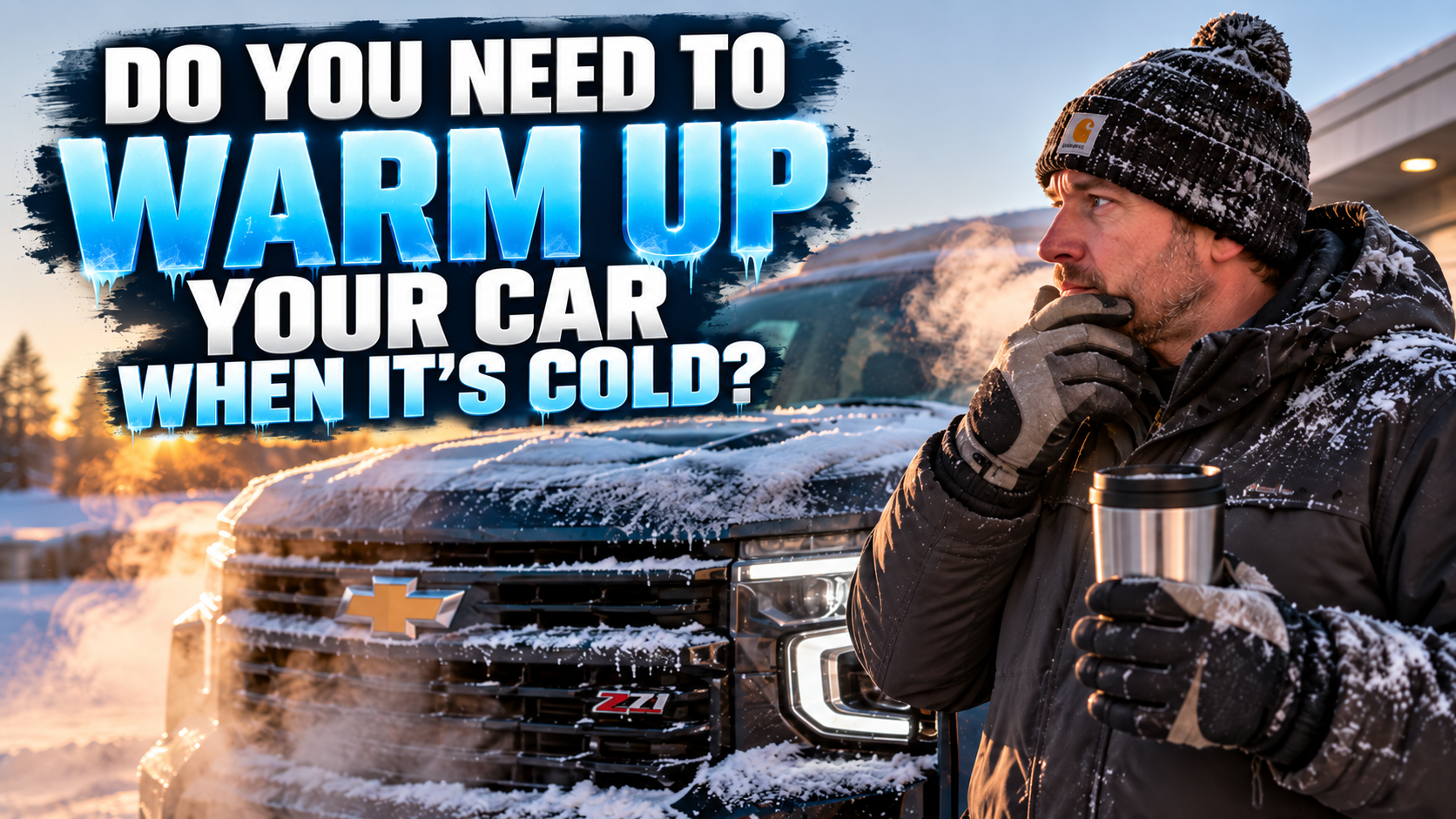
Do You Need to Warm Up Your Car in Winter? How Long Should You Idle Before Driving?
Reviewed by the Voice Motor Sales Service Department in Kalkaska, Michigan
For generations of drivers, warming up the car before leaving on a cold winter morning was simply part of the routine.
Start the engine. Go back inside. Finish your coffee. Come outside 10 or 15 minutes later and finally start driving.
But modern vehicles are very different from the carbureted vehicles that helped create that habit.
So, do you still need to warm up your car before driving in winter?
For most modern gasoline-powered vehicles, an extended warm-up period is generally unnecessary. After a brief period following startup, driving gently is usually a more effective way to bring the engine, transmission, and other components toward operating temperature than allowing the vehicle to sit and idle for an extended period.
That does not mean you should start a vehicle at 10 degrees below zero and immediately accelerate hard onto the highway. Cold engines and drivetrains still need some consideration.
Here is what Northern Michigan drivers should know about warming up a vehicle during cold weather.
Do Modern Cars Need to Warm Up Before Driving?
Most modern fuel-injected gasoline vehicles do not require the lengthy warm-up periods that older carbureted vehicles once did.
After starting the engine, it is generally reasonable to allow a short period for oil to begin circulating, buckle your seat belt, adjust the climate controls, make sure the windshield is clear, and then begin driving.
The important part comes next: drive gently until the vehicle warms up.
Avoid immediately asking a cold engine for maximum acceleration, high engine speed, or heavy towing loads.
Normal, moderate driving allows more than just the engine to begin warming. It also puts the transmission, wheel bearings, differential fluids, steering components, and other drivetrain systems into operation.
How Long Should You Warm Up Your Car in Winter?
There is no universal number of seconds that applies to every vehicle, temperature, and situation.
For most modern vehicles, however, you generally do not need to let the engine idle for 10 or 15 minutes solely for the purpose of protecting the engine.
A practical routine is:
- Start the vehicle.
- Fasten your seat belt and adjust the controls.
- Make sure the windshield, windows, mirrors, lights, cameras, and sensors are clear.
- Allow the engine to stabilize briefly.
- Begin driving normally but gently.
- Avoid hard acceleration until the vehicle has had time to warm up.
Your owner's manual should always take priority if the manufacturer provides specific cold-weather operating instructions.
Why Did Older Cars Need More Warm-Up Time?
Much of the traditional advice about warming up vehicles comes from the era of carbureted engines.
Carburetors mechanically controlled the mixture of fuel and air entering the engine and could behave differently during cold starts. Older lubricants, engine-management systems, and vehicle technology also made cold-weather operation different from what drivers experience today.
Modern vehicles typically use electronic fuel injection and computer-controlled engine management to adjust fueling automatically based on operating conditions.
That is one reason the old habit of allowing every vehicle to idle for an extended period no longer applies universally.
Is Idling the Best Way to Warm Up an Engine?
Usually not.
An idling engine is operating under a very light load. Once you begin driving gently, the engine is doing more work and generally reaches operating temperature more efficiently.
Driving also begins warming components that do very little while the vehicle remains parked.
These can include:
- Automatic transmission fluid
- Manual transmission fluid
- Transfer case components
- Differential fluid
- Wheel bearings
- Suspension components
- Tires
A warm engine does not necessarily mean the entire vehicle is fully warmed.
Should You Drive Differently While the Engine Is Cold?
Yes.
The best approach is generally to drive normally but avoid placing unnecessary stress on a cold powertrain.
During the first portion of your drive, avoid:
- Hard acceleration
- Very high engine speeds
- Full-throttle acceleration
- Heavy towing immediately after startup
- Unnecessary engine revving while parked
Smooth acceleration and moderate engine speeds allow the vehicle to reach normal operating temperature gradually.
Does Engine Oil Need Time to Warm Up?
Engine oil is one reason drivers should still treat a cold engine differently from a fully warmed engine.
Oil becomes more resistant to flow as temperatures fall. Modern engine oils are designed to operate across a wide temperature range, but extremely cold oil still behaves differently from oil at normal operating temperature.
That is why using the exact oil viscosity and specification recommended by the vehicle manufacturer is particularly important in cold climates.
Starting the engine begins circulating oil, but the oil does not instantly reach normal operating temperature.
A brief idle followed by gentle driving allows the lubrication system and engine to warm progressively.
Why You Shouldn't Rev a Cold Engine
Revving the engine while parked does not provide a shortcut to properly warming the entire vehicle.
Instead, it can place additional load and speed on internal engine components before the engine and lubricants have reached normal operating temperature.
Let the engine settle after startup and then drive smoothly.
What If It's Extremely Cold Outside?
Northern Michigan occasionally experiences temperatures far below freezing, and extremely cold conditions can justify giving the vehicle a little more time before leaving.
The engine may crank more slowly, fluids may be colder, windows may require substantial defrosting, and snow or ice may need to be removed.
Even then, there is an important distinction between allowing a vehicle a little additional time in severe cold and automatically idling it for 15 or 20 minutes every winter morning.
Follow the manufacturer's cold-weather recommendations for your particular vehicle.
What Is a Block Heater?
Some vehicles used in very cold climates may be equipped with or offer an engine block heater or another type of engine-heating system.
Depending on the design, a block heater can help warm part of the engine or cooling system before startup.
This may help with cold-weather starting and reduce the amount of time required for the engine to begin warming.
If your vehicle has a factory-installed block heater, follow the instructions in the owner's manual regarding when and how to use it.
What Is Remote Start Actually Good For?
Remote start can be extremely convenient during a Northern Michigan winter—but cabin comfort and visibility are often the biggest benefits.
Starting the vehicle before you get in can give the climate-control system time to begin:
- Warming the passenger compartment
- Defrosting the windshield
- Defogging windows
- Warming heated seats, if equipped and programmed to activate
- Warming the steering wheel, if equipped and programmed to activate
That does not mean the engine mechanically requires an extended remote-start cycle before it can be driven.
Remote start is often more about making the vehicle comfortable and getting the glass clear enough for safe driving.
Defrosting Is a Good Reason to Wait
Even if the engine does not need a long warm-up, you should not begin driving until you can see properly.
If frost, ice, snow, or interior fog is blocking your view, allow the defroster enough time to work and use an appropriate ice scraper when necessary.
Before driving, clear:
- The windshield
- Side windows
- Rear glass
- Exterior mirrors
- Headlights
- Taillights
- Exterior cameras
- Driver-assistance sensors when applicable
Also remove accumulated snow from the hood, roof, and trunk or tonneau area so it does not blow onto your windshield or another vehicle while driving.
Never Warm Up a Gasoline or Diesel Vehicle in a Closed Garage
This is one winter rule that deserves particular emphasis.
Never leave a gasoline or diesel vehicle running inside a closed or enclosed garage.
Engine exhaust contains carbon monoxide, an odorless and potentially deadly gas.
Opening the garage door after the vehicle has already been running inside is not a substitute for preventing exhaust accumulation in the first place.
If you use remote start, make sure the vehicle is outdoors and the exhaust outlet is clear of snow or other obstructions.
Does Warming Up Your Car Waste Gas?
A gasoline or diesel engine consumes fuel whenever it is running.
Extended idling therefore uses fuel while the vehicle travels zero miles.
If an extended warm-up is not required for visibility, passenger comfort, or a vehicle-specific reason, letting the engine idle longer than necessary generally provides little benefit while continuing to consume fuel.
Does Idling Charge a Weak Battery?
If your vehicle is becoming difficult to start in cold weather, letting it idle for a few extra minutes is not a substitute for addressing a weak battery or charging-system problem.
Cold temperatures place additional demands on automotive batteries, and a battery that seemed acceptable during summer may struggle once temperatures fall.
Warning signs can include:
- Slow engine cranking
- Clicking when attempting to start
- Intermittent starting problems
- Electrical systems behaving unusually during startup
- A battery that repeatedly needs a jump-start
If the vehicle is consistently slow to start, have the battery and charging system checked rather than relying on additional idle time.
Learn more about battery service at Voice Motor Sales .
What About Diesel Trucks?
Diesel engines have their own cold-weather operating characteristics, so owners should follow the manufacturer's instructions for their particular truck.
Some diesel vehicles use glow plugs or other intake-heating systems during cold starts. A dashboard indicator may tell the driver when the starting sequence is ready.
Diesel owners should also pay attention to:
- Proper cold-weather fuel
- Fuel-filter condition
- Battery condition
- Correct engine oil
- Block-heater recommendations
- Manufacturer cold-start procedures
Once running normally, the same basic principle applies: avoid demanding maximum power from a cold engine immediately after startup.
What About Turbocharged Engines?
Many modern vehicles use turbocharged engines.
Turbochargers operate at very high speeds and depend on proper lubrication, making good oil maintenance particularly important.
After a cold start, avoid immediately demanding maximum boost or full-throttle acceleration.
Start the vehicle, allow it to stabilize briefly, and drive moderately while the engine and oil warm.
Do Hybrid Vehicles Need to Warm Up?
Hybrid vehicles manage engine operation differently from conventional gasoline vehicles.
Depending on the vehicle and outside temperature, the gasoline engine may start automatically, shut off, restart, or operate according to the vehicle's own control strategy.
Drivers generally should allow the hybrid system to manage itself and follow the cold-weather recommendations in the owner's manual rather than attempting to force a traditional warm-up routine.
Do Electric Vehicles Need to Warm Up?
Electric vehicles do not have a gasoline engine that needs to idle before driving.
However, cold temperatures can affect battery performance and driving range.
Many EVs allow drivers to precondition the vehicle before leaving.
When possible, preconditioning an EV while it remains connected to a charger can warm the cabin—and on vehicles equipped for it, help condition the battery—while drawing energy from the electrical supply instead of relying entirely on stored battery energy.
Should You Warm Up the Transmission?
The transmission is one reason gentle driving is useful after a cold start.
Letting the engine idle primarily warms the engine and cooling system. It does comparatively little to warm many drivetrain components.
Once the vehicle begins moving, transmission fluid and other drivetrain lubricants begin circulating under normal operating conditions.
Smooth acceleration during the first portion of the drive allows these systems to warm gradually.
What About Four-Wheel Drive Systems?
Trucks and SUVs commonly used in Northern Michigan may have transfer cases, front and rear differentials, and four-wheel-drive components containing their own lubricants.
Those systems do not fully warm just because the engine has been idling in the driveway.
Another reason to drive moderately at first is to allow the entire drivetrain—not simply the engine coolant—to come up in temperature.
How Long Does It Take a Car to Fully Warm Up?
There is no single answer.
Warm-up time varies based on:
- Outside temperature
- Engine design
- Vehicle type
- Driving speed
- Engine load
- Oil specification
- Whether the vehicle is gasoline, diesel, hybrid, or electric
Also remember that the coolant-temperature gauge does not necessarily tell you that every fluid and component in the vehicle has reached full operating temperature.
Can You Damage Your Engine by Driving Immediately?
Starting a modern vehicle and beginning to drive after a brief stabilization period is generally different from immediately subjecting the engine to maximum load.
The behavior that deserves more caution is aggressive driving while the powertrain is still very cold.
A reasonable routine is simply:
Start it, buckle up, make sure you can see, and drive gently.
What If Your Car Runs Rough When It's Cold?
A cold engine may sound or feel somewhat different immediately after startup, but severe or persistent rough running should not simply be dismissed as normal winter behavior.
Have the vehicle inspected if you notice:
- Repeated stalling
- Severe shaking
- Misfiring
- Unusual knocking or mechanical noises
- A flashing check engine light
- Difficulty keeping the engine running
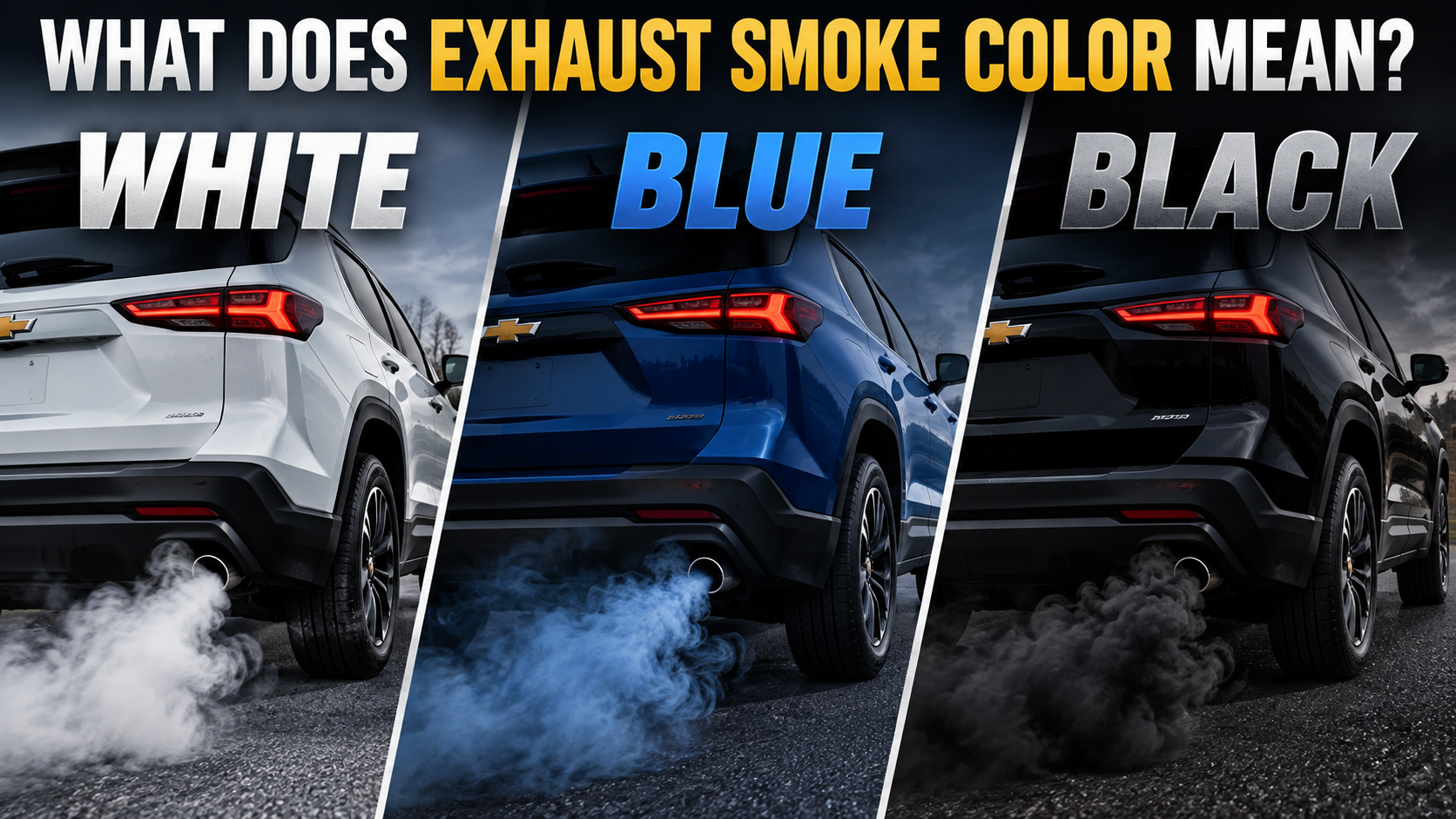
- Excessive or unusual exhaust smoke
Cold weather can sometimes reveal an underlying problem that was less noticeable during warmer conditions.
What If Your Car Takes a Long Time to Produce Heat?
Cabin heat naturally takes longer during very cold weather because the engine and cooling system have more warming to do.
However, if your vehicle suddenly takes much longer to produce warm air than it did previously—or never produces adequate heat—there may be a cooling-system or HVAC concern.
Problems involving coolant level, the thermostat, heater core, blend doors, actuators, or other components can affect cabin heating.
If your heater is not working correctly, see our guide: Why Is My Car Heater Blowing Cold Air? 7 Common Causes .
A Simple Cold-Morning Routine
For most modern vehicles, winter mornings do not need to involve a complicated warm-up procedure.
- Make sure the exhaust outlet is not blocked by snow.
- Start the vehicle outdoors.
- Turn on the appropriate defrost and climate settings.
- Fasten your seat belt.
- Clear all necessary snow, frost, and ice.
- Make sure cameras, lights, mirrors, and windows are clear.
- Begin driving when visibility is safe.
- Accelerate moderately while the vehicle warms.
- Avoid high engine loads until the powertrain has had time to reach operating temperature.
Always follow any vehicle-specific cold-weather instructions in your owner's manual.
What Our Service Team Recommends
At Voice Motor Sales, we recommend separating two different questions:
Does the engine need to idle for a long time before you drive?
For most modern gasoline vehicles, no.
Should you give a cold vehicle some consideration before demanding maximum performance?
Absolutely.
Start the vehicle, allow it to stabilize briefly, make sure you have full visibility, and then drive moderately while it warms.
Extended idling every morning is generally unnecessary solely for engine warm-up, but allowing additional time for windshield defrosting and passenger comfort can still be useful.
Preparing Your Vehicle for a Northern Michigan Winter
Cold-weather starting is only one part of winter vehicle preparation.
Before temperatures fall significantly around Kalkaska, Traverse City, Grayling, Cadillac, Lake City, Mancelona, and surrounding Northern Michigan communities, consider checking:
- Battery condition
- Engine coolant and freeze protection
- Tire condition and pressure
- Windshield wipers
- Winter-grade washer fluid
- Exterior lighting
- Heating and defrost operation
- Brakes
For additional seasonal maintenance information, read our Fall Vehicle Maintenance Checklist .
Need Help Getting Your Vehicle Ready for Cold Weather?
If your vehicle is becoming difficult to start, the heater is not working properly, the battery seems weak, or you want to take care of routine maintenance before winter, the Service Department at Voice Motor Sales in Kalkaska can help.
Visit the Voice Motor Sales Service Department to learn more about available maintenance and repair services.
You can also:
- Learn About Battery Service
- Learn About Tires
- View Current Service & Parts Specials
- Schedule a Service Appointment
More Cold-Weather Vehicle Resources
Frequently Asked Questions About Warming Up a Car in Winter
Do you need to warm up your car before driving in winter?
Most modern fuel-injected gasoline vehicles do not require a lengthy idle period before driving. After allowing the engine to stabilize briefly and making sure visibility is safe, begin driving gently and avoid hard acceleration until the vehicle warms.
How long should you let your car warm up before driving?
There is no universal time for every vehicle. For most modern vehicles, a brief period after startup is generally sufficient before beginning to drive gently. Additional time may be needed to defrost windows, clear snow and ice, or follow vehicle-specific instructions during extreme cold.
Is 10 minutes too long to warm up a car?
Most modern gasoline vehicles generally do not need to idle for 10 minutes solely to warm the engine. Drivers may choose a longer remote-start period for cabin comfort or windshield defrosting, but extended idling is usually unnecessary for mechanical warm-up alone.
Is it better to idle or drive to warm up a car?
Gentle driving generally warms the engine and other drivetrain components more effectively than prolonged idling. Avoid aggressive acceleration and high engine loads until the vehicle has had time to warm.
Should you warm up a car when it is below zero?
Extreme cold can justify allowing somewhat more time after startup, particularly for defrosting and vehicle-specific cold-weather procedures. However, modern vehicles generally still do not require lengthy idling solely for engine warm-up. Follow your owner's manual.
Does remote start help your engine in winter?
Remote start can begin warming the engine and is particularly useful for passenger comfort and windshield defrosting. For most modern vehicles, however, a full remote-start cycle is not normally required simply to make the engine safe to drive.
Should you rev your engine to warm it up faster?
No. Avoid unnecessary revving immediately after a cold start. Let the engine stabilize and then drive moderately while the engine and lubricants warm.
Do diesel trucks need to warm up longer?
Diesel engines can have different cold-start procedures, including glow-plug or intake-heating systems. Follow the manufacturer's instructions for the specific diesel vehicle and avoid immediately placing a cold engine under maximum load.
Do electric cars need to warm up?
Electric vehicles do not have a gasoline engine that needs to idle before driving. However, preconditioning the cabin and, on equipped vehicles, the battery can improve cold-weather comfort and performance. Preconditioning while connected to a charger can also help preserve stored battery energy.
Why does my car take so long to heat up in winter?
Very cold temperatures naturally increase warm-up time. If cabin heat is much weaker than normal, takes unusually long to appear, or never becomes warm, a thermostat, coolant, heater-core, HVAC, or other vehicle concern may need to be diagnosed.
Where can I have my vehicle checked before winter near Kalkaska, Michigan?
The Voice Motor Sales Service Department in Kalkaska provides maintenance and cold-weather vehicle services for drivers throughout Kalkaska and surrounding Northern Michigan communities.