




');
Blog / Service

Should You Wash Your Car in the Winter? How to Protect It From Salt, Slush, and Road Grime

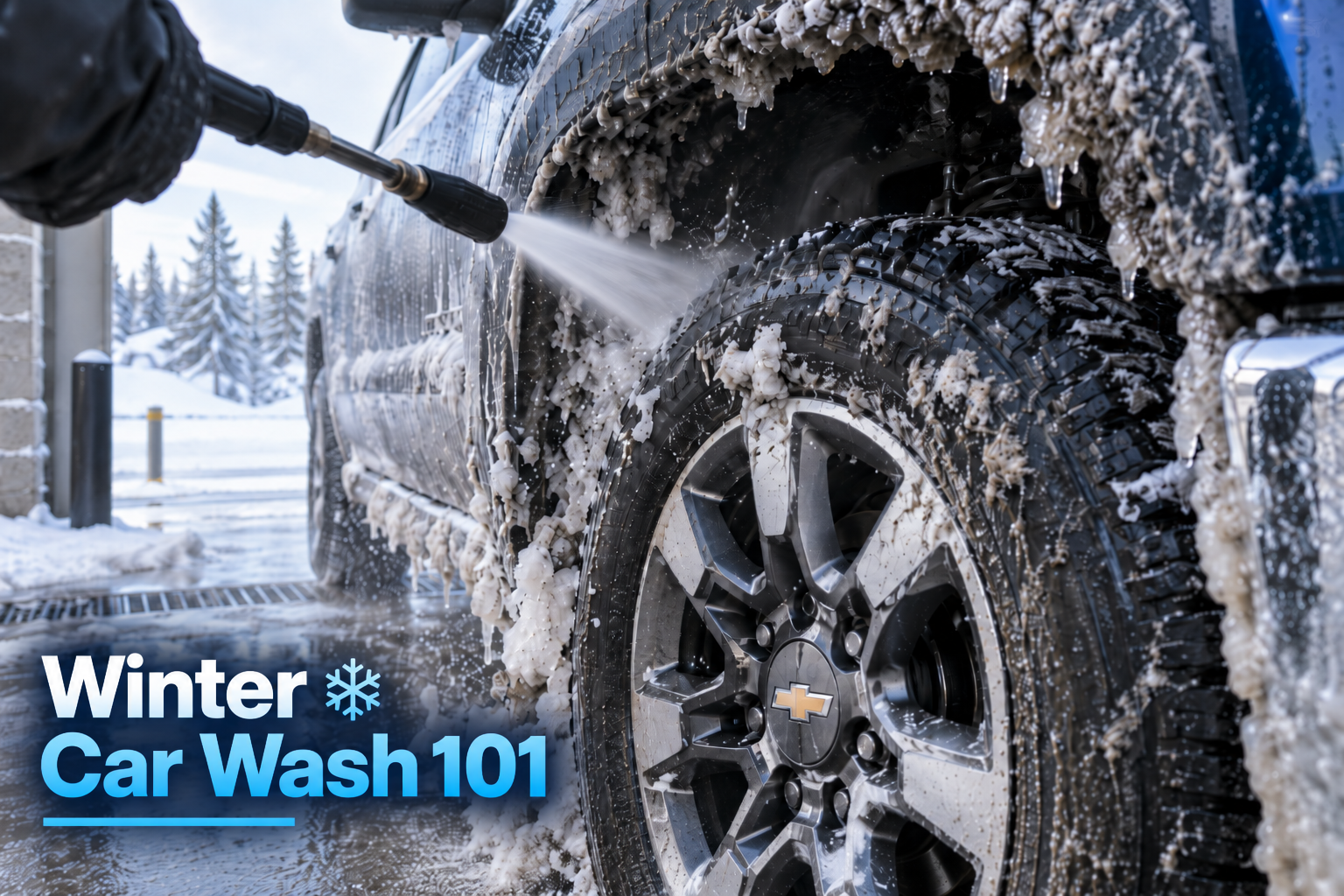
Winter Car Wash 101

Should You Wash Your Car in the Winter? How to Protect It From Salt, Slush, and Road Grime

Reviewed by the Voice Motor Sales Service Department in Kalkaska, Michigan

Washing your vehicle may seem like a summertime chore, but winter can actually be one of the most important times to keep it clean.

Northern Michigan roads can expose vehicles to a constant mixture of snow, slush, moisture, dirt, and deicing materials. That gray coating that builds up along the doors, rocker panels, wheel openings, and tailgate is more than a cosmetic issue. Leaving winter grime on a vehicle for extended periods can give moisture and corrosive materials more time to remain in contact with painted and metal surfaces.

So, should you wash your car in the winter?

In most cases, yes. Regular winter washing—especially cleaning the lower body and underbody—can be a useful part of protecting your vehicle. The key is knowing when to wash it, what areas deserve the most attention, and how to avoid creating problems when temperatures are extremely cold.

Why Is It Important to Wash Your Car in the Winter?

Winter driving conditions can cover a vehicle with considerably more than ordinary dirt.

During a typical Northern Michigan winter, your vehicle may encounter:

  • Road salt and other deicing materials
  • Snow and slush
  • Sand and road grit
  • Standing water
  • Mud
  • Dirty road spray from other vehicles

These materials tend to collect on the lowest and most exposed areas of the vehicle, including the wheel wells, rocker panels, bumpers, suspension areas, and underside.

Washing helps remove that buildup before it remains on the vehicle for an extended period.

Does Road Salt Damage Cars?

Road salt and other deicing materials are useful for improving winter-road conditions, but they can also contribute to corrosion when they remain on exposed metal surfaces in the presence of moisture.

Modern vehicles are designed with corrosion protection, coatings, sealers, and treated materials, but no vehicle is completely immune to years of exposure.

Areas that may deserve particular attention include:

  • Rocker panels
  • Wheel openings
  • Lower portions of doors
  • Frame and underbody components
  • Suspension components
  • Brake and fuel line areas
  • Fasteners and brackets
  • Areas where paint has already been chipped or damaged

Removing winter contamination periodically can help limit how long those materials remain on the vehicle.

How Often Should You Wash Your Car in the Winter?

There is no single schedule that works for every driver.

A practical rule of thumb during periods of frequent salt and slush is to consider washing the vehicle approximately every week or two, depending on road conditions and how much you drive.

You may want to wash more frequently if:

  • You drive every day on heavily treated roads
  • Your commute includes a lot of highway driving
  • The vehicle is visibly coated with salt or grime
  • You regularly drive on rural roads
  • You travel through repeated freeze-and-thaw cycles
  • You notice heavy buildup around the wheels and lower body

If the roads have been relatively dry and the vehicle remains clean, there may be less urgency.

The goal is not necessarily to keep the vehicle spotless all winter. It is to prevent layers of winter contamination from remaining on it indefinitely.

Should You Wash Your Car Every Time the Roads Are Salted?

Usually that is not necessary.

During a Northern Michigan winter, roads may be treated repeatedly. Washing after every single exposure could become impractical.

Instead, watch the weather and road conditions.

A good opportunity may be after a stretch of snowy or salty weather when temperatures moderate and the roads begin to dry.

That allows you to remove accumulated grime without immediately covering the vehicle again on the drive home.

Don't Forget the Undercarriage

If the main reason you are washing the vehicle is winter salt, the underside may be one of the most important areas to clean.

The paint on the hood can certainly get dirty, but the parts underneath the vehicle often receive the greatest exposure to wet road spray.

When choosing an automatic wash during winter, look for an option that includes an underbody or undercarriage rinse.

This can help flush accumulated material from areas that are difficult to reach during an ordinary exterior wash.

Pay Attention to the Wheel Wells

Wheel wells are another common collection point for winter debris.

Tires continually throw water, slush, salt, sand, and road grime into these areas.

Snow and ice can also become packed around:

  • Wheel-opening liners
  • Mud flaps
  • Suspension areas
  • The lower edges of bumpers

Regularly removing heavy buildup can help keep these areas cleaner and may also prevent packed snow from rubbing against tires or interfering with surrounding components.

Can You Wash a Car When It's Freezing Outside?

You can wash a vehicle during cold weather, but extremely low temperatures require more caution.

When the temperature is below freezing, water left on the vehicle can freeze before it has a chance to drain or evaporate.

This can potentially lead to:

  • Frozen door seals
  • Frozen door handles
  • Ice around mirrors
  • Ice around the fuel door
  • Ice forming around exterior trim
  • Frozen water in crevices

If possible, choose a relatively mild winter day rather than washing the vehicle during extreme cold.

A commercial wash that operates in a heated environment and provides strong drying can also make winter washing easier.

What Temperature Is Too Cold to Wash a Car?

There is not one exact temperature that applies to every car wash, vehicle, or situation.

As temperatures move well below freezing, the chance of water freezing on or around the vehicle increases.

Whenever possible, choose a day when temperatures are near or above freezing and allow time for the vehicle to dry before temperatures fall sharply again.

If you are using a commercial automatic wash, follow any temperature-related operating guidance provided by that facility.

Dry the Doors and Seals After a Winter Car Wash

One of the easiest ways to avoid a frozen door the next morning is to remove excess water after washing.

After the wash, consider opening each door and wiping moisture from:

  • Door edges
  • Rubber weather seals
  • Door jambs
  • Trunk or liftgate openings
  • Fuel-door area

This only takes a few minutes and can reduce the amount of water remaining in areas that are susceptible to freezing.

Automatic Car Wash vs. Hand Washing in the Winter

Both can work, but winter changes the practical considerations.

Automatic Car Wash

Automatic washes can be convenient in winter because they may offer:

  • Underbody rinsing
  • High-pressure cleaning
  • Indoor or partially enclosed washing
  • Drying systems
  • A quick way to remove heavy salt buildup

The exact equipment and wash process vary by facility.

Hand Washing

Hand washing provides more control over how the vehicle is cleaned, but it can be difficult when outside temperatures are below freezing.

If you hand wash a vehicle in winter, avoid allowing wash water to freeze on the driveway, walking surfaces, vehicle, or cleaning equipment.

Is a Touchless Car Wash Good for Winter?

A touchless wash can be useful for removing winter grime without brushes or other wash material contacting the paint.

For drivers primarily concerned with quickly removing salt and road spray, a touchless wash with an underbody rinse can be a practical option.

However, cleaning effectiveness varies by the amount of buildup, equipment, chemicals, pressure, and wash package.

Extremely stubborn road film may require additional cleaning.

Should You Wax Your Car Before Winter?

Applying an appropriate wax, sealant, or other paint-protection product before winter can provide an additional layer between the vehicle's finish and environmental contamination.

It does not eliminate the need for washing, but it may help make dirt and road film easier to remove while providing additional protection to the finish.

Fall is a convenient time to clean and protect the vehicle before regular snow and road-treatment season begins.

What About Rock Chips and Paint Damage?

Small paint chips deserve attention before winter.

Paint helps protect the underlying metal. When a stone chip or scratch exposes bare metal, moisture and road contamination have a more direct path to the surface underneath.

Inspect areas that commonly receive road debris, including:

  • Front edge of the hood
  • Front bumper
  • Rocker panels
  • Lower doors
  • Wheel-opening edges

Addressing damaged paint before it becomes a larger problem can be easier than dealing with corrosion later.

Clean Your Headlights and Taillights Too

Winter grime can quickly coat headlights, taillights, turn signals, cameras, and license plates.

Even if you do not have time for a full wash, periodically clean:

  • Headlights
  • Taillights
  • Turn signals
  • Backup camera lenses
  • Exterior cameras
  • Parking sensors
  • License plates

Clean lighting and camera surfaces can be particularly important during the darker days and poor visibility of a Michigan winter.

Be Careful Around Sensors and Cameras

Many modern vehicles use exterior cameras, radar systems, and ultrasonic sensors to support driver-assistance features.

Snow, ice, salt, and heavy road grime can temporarily obstruct some of these components.

If your vehicle displays a message indicating that a camera or driver-assistance feature is unavailable, check whether the relevant exterior area is covered with snow, ice, or grime.

Follow the cleaning instructions in your owner's manual and avoid using sharp objects to remove ice from cameras or sensor surfaces.

Don't Use Hot Water to Melt Ice on Your Windshield

Pouring very hot water onto frozen automotive glass is not a good winter shortcut.

Rapid temperature changes can place unnecessary stress on the glass, particularly if the windshield already has a chip or crack.

Use the vehicle's defroster and an appropriate ice scraper instead.

Should You Wash Your Vehicle After a Snowstorm?

Not necessarily immediately.

If roads are still wet, slushy, and heavily treated, washing the vehicle only to immediately drive through the same conditions may accomplish very little.

It can make more sense to wait until:

  • The storm has passed
  • Roads have been cleared
  • Conditions begin drying
  • Temperatures are favorable for washing

Then wash away the buildup accumulated during the storm.

What About a Vehicle That Sits in a Garage?

Garage parking does not eliminate the need for winter washing.

In fact, snow and slush carried into a warmer garage may melt and keep the underside of the vehicle wet for a period of time.

If the vehicle has accumulated significant salt and road grime, periodically cleaning it is still worthwhile even if it spends every night indoors.

Should You Wash a New Vehicle During the Winter?

Yes. A new vehicle is still exposed to the same road conditions as an older one.

Keeping a new vehicle clean from the beginning can help maintain its appearance and gives you opportunities to notice paint chips, scratches, or other exterior damage early.

Always follow the vehicle manufacturer's care recommendations for paint, trim, cameras, sensors, and other exterior components.

Should You Wash an Older Vehicle More Often?

An older vehicle may have existing paint chips, surface corrosion, worn coatings, or previously repaired areas that make regular inspection especially worthwhile.

Washing the vehicle gives you an opportunity to look for:

  • New rust spots
  • Paint bubbling
  • Stone chips
  • Damaged trim
  • Loose splash shields
  • Damage around wheel wells

Catching a small issue early can sometimes prevent it from becoming a much larger repair.

A Simple Winter Car-Wash Routine

Winter vehicle care does not need to be complicated.

A practical routine might look like this:

  1. Wait for a reasonable weather window when possible.
  2. Choose a wash that includes an underbody rinse.
  3. Remove heavy salt and grime from the lower body and wheel wells.
  4. Make sure headlights, taillights, cameras, and sensors are clean.
  5. Allow the vehicle to dry thoroughly.
  6. Wipe excess water from door jambs and weather seals during freezing weather.
  7. Inspect the vehicle for paint chips or exterior damage while it is clean.

What Our Service Team Recommends

At Voice Motor Sales, we recommend thinking of winter washing as part of seasonal vehicle care rather than simply a way to keep your car looking clean.

During periods of heavy road salt and slush, focus especially on:

  • The underbody
  • Wheel wells
  • Rocker panels
  • Lower doors
  • Bumpers
  • Lighting
  • Exterior cameras and sensors

You do not have to wash the vehicle every time it snows. Instead, watch the conditions and remove accumulated winter grime regularly throughout the season.

Winter Vehicle Care in Northern Michigan

Drivers in Kalkaska, Traverse City, Grayling, Cadillac, Lake City, Mancelona, and surrounding Northern Michigan communities know how quickly a clean vehicle can become covered with road spray during winter.

Frequent snow, freezing temperatures, rural roads, and changing conditions can make winter particularly demanding on vehicles.

Washing is only one part of preparing for those conditions.

It is also a good time to keep an eye on:

  • Tire condition and pressure
  • Battery condition
  • Windshield wipers
  • Washer fluid
  • Brakes
  • Exterior lighting
  • Engine coolant

For a broader seasonal checklist, read our Fall Vehicle Maintenance Checklist: Get Ready Before Colder Weather Arrives .

Need Help Getting Your Vehicle Ready for Winter?

Washing away winter grime is something most vehicle owners can handle themselves, but winter is also a good time to make sure the rest of the vehicle is ready for colder weather.

The Service Department at Voice Motor Sales in Kalkaska can help with routine maintenance, tires, batteries, brakes, wipers, fluids, and other seasonal vehicle needs.

Visit the Voice Motor Sales Service Department to learn more.

You can also view current Service & Parts Specials or schedule a service appointment online .

Frequently Asked Questions About Washing a Car in Winter

Should you wash your car in the winter?

Yes. Periodically washing a vehicle during winter can help remove road salt, dirt, slush, and other contamination. Pay particular attention to the lower body, wheel wells, and undercarriage.

How often should you wash your car in winter?

The ideal frequency depends on driving conditions. During periods of heavy road salt and slush, washing approximately every week or two can be a reasonable rule of thumb. Drivers who travel frequently on heavily treated roads may want to wash more often.

Does road salt cause rust?

Salt and other deicing materials can contribute to corrosion when moisture and exposed metal are present. Regularly removing accumulated winter contamination can reduce how long these materials remain on the vehicle.

Should I get an undercarriage wash in the winter?

An underbody rinse can be particularly useful during winter because road spray can carry salt, slush, and grime onto components underneath the vehicle that are difficult to clean during a basic exterior wash.

Can you wash a car when it is below freezing?

It is possible, but additional care is needed because remaining water can freeze around door seals, handles, mirrors, trim, and other areas. When possible, choose a milder winter day or a commercial wash designed to operate in cold conditions.

Is a touchless car wash good for winter?

A touchless wash can be a convenient way to remove winter road grime, particularly when it includes an underbody rinse. Cleaning effectiveness varies by facility and by how heavily contaminated the vehicle is.

Should I wash my car immediately after a snowstorm?

Not necessarily. If roads are still covered with wet salt and slush, it may make sense to wait until the storm has passed and road conditions improve before washing away the accumulated buildup.

Can I wash my car before temperatures drop below freezing?

Yes, but give the vehicle time to dry when possible. Wiping moisture from door jambs and weather seals can also help reduce the chance of doors freezing shut when temperatures fall.

Where can I get my vehicle ready for winter near Kalkaska, Michigan?

The Voice Motor Sales Service Department in Kalkaska provides maintenance and seasonal vehicle services for drivers throughout Kalkaska and surrounding Northern Michigan communities.
Should You Wash Your Car in Winter? Salt & Winter Car Care | Voice Motor Sales
Posted in:

Related Posts

Different colored exhaust

What Does Exhaust Smoke Color Mean? White vs. Blue vs. Black Smoke

What Does Exhaust Smoke Color Mean? White vs. Blue vs. Black Smoke Reviewed by the Voice Motor Sales Service Department in Kalkaska, Michigan Seeing smoke coming from your vehicle's exhaust can be concerning, but the color, timing, and amount of smoke can provide useful clues about what may be happening. Some exhaust vapor is completely normal, especially during a cold Northern Michigan morning. Other colors or persistent smoke can point toward engine, cooling-system, fuel-system, or emissions-related concerns that should be inspected. The three colors drivers most commonly notice are white, blue, and black exhaust smoke. Each can mean something different, and the conditions under which the smoke appears are just as important as the color itself. Is Smoke From the Exhaust Always a Problem? No. What looks like smoke is sometimes simply water vapor. Combustion naturally produces moisture, and condensation can collect inside the exhaust system while a vehicle is parked. When the engine is started, especially in cold weather, that moisture can appear as thin white vapor from the tailpipe. Normal condensation usually: Appears shortly after a cold start Looks thin or wispy Becomes less noticeable as the vehicle warms up Is more visible in cold or humid weather Thick, persistent smoke that continues after the engine reaches operating temperature is more likely to deserve attention. What Does White Exhaust Smoke Mean? White exhaust can mean different things depending on whether you are seeing light vapor or dense, persistent smoke. Thin White Vapor During a Cold Start Light white vapor on a cold morning is often normal condensation. This is especially common during fall and winter in Northern Michigan, when the exhaust system can cool significantly while a vehicle is parked overnight. If the vapor disappears as the engine warms up and the vehicle is otherwise operating normally, it may simply be moisture leaving the exhaust system. Thick White Smoke That Does Not Go Away Persistent white exhaust smoke can be more concerning, particularly if it is accompanied by coolant loss, overheating, rough running, or an unusual sweet smell. In some situations, coolant may be entering an area of the engine where it should not be and reaching the combustion process. Possible causes can include problems involving: Head gaskets Cylinder heads Engine sealing surfaces Internal cooling-system components The exact cause depends on the engine and vehicle, so persistent white smoke should be diagnosed rather than assuming a particular component has failed. White Smoke Plus Overheating: What Should You Do? If thick white exhaust smoke appears along with an overheating warning, high temperature gauge reading, low coolant warning, or visible coolant loss, continuing to drive may cause additional engine damage. Find a safe place to stop and shut the vehicle off when appropriate. Do not remove a hot cooling-system cap, because the system may be under pressure and can cause serious burns. If you are unsure whether the vehicle is safe to drive, contact a qualified service facility or arrange for the vehicle to be towed. What Does Blue Exhaust Smoke Mean? Blue or blue-gray exhaust smoke commonly indicates that engine oil is entering the combustion process and being burned. Oil is supposed to lubricate internal engine components. It is not supposed to be consumed in significant amounts during combustion. Possible causes of blue smoke can involve: Worn piston rings Valve seals Valve guides Turbocharger components on turbocharged engines Crankcase ventilation system problems Other internal engine concerns The timing of the smoke can provide additional clues. Blue Smoke When Starting the Vehicle If a brief puff of blue smoke appears after the vehicle has been sitting for several hours, oil may be entering the combustion chamber while the engine is off. Certain valve-sealing or internal-engine conditions can produce this type of symptom. A technician will usually consider when the smoke occurs, how long it lasts, oil consumption, mileage, engine design, and other symptoms before determining the cause. Blue Smoke During Acceleration Blue smoke that becomes noticeable during acceleration or under load can sometimes point toward a different type of oil-consumption issue. The vehicle may also show: Falling engine oil level Oil-fouled spark plugs Reduced engine performance Check engine light illumination Increased oil consumption between oil changes If you are regularly adding engine oil between services, mention that to your technician. The rate of oil consumption can be an important diagnostic detail. Can You Drive With Blue Exhaust Smoke? A small amount of occasional smoke does not tell you how serious the underlying problem is, but persistent blue smoke should not be ignored. Burning oil can lower the engine oil level and, depending on the cause, may contribute to additional engine or emissions-system problems. Check the engine oil level according to the procedure in your owner's manual and arrange for the vehicle to be inspected if the smoke continues. If the oil-pressure warning light comes on, the engine develops loud mechanical noises, or the oil level is dangerously low, stop driving and seek assistance. What Does Black Exhaust Smoke Mean? Black exhaust smoke often indicates that the engine is receiving or burning more fuel than it should for the amount of air entering the engine. This condition is sometimes described as the engine running rich. Possible causes can involve: Fuel injectors Airflow sensors Air intake restrictions Fuel-pressure problems Engine-control sensors Ignition or combustion issues Electronic control problems Diesel engines operate differently from gasoline engines, so the cause and significance of dark exhaust can vary by vehicle and operating condition. Why Is Black Smoke a Problem? Excess fuel can affect more than what comes out of the tailpipe. Depending on the cause, you may also notice: Reduced fuel economy Rough running Loss of power Fuel smell Check engine light illumination Hard starting Deposits on spark plugs or exhaust components Modern engine-management systems make many adjustments automatically, so visible black smoke from a modern vehicle is worth investigating if it persists. What About Gray Exhaust Smoke? Drivers sometimes describe exhaust as gray rather than clearly blue, white, or black. Gray smoke can be difficult to diagnose by color alone because lighting conditions and exhaust temperature can change how smoke appears. Depending on the vehicle, gray smoke could be associated with oil consumption, fuel mixture, turbocharger issues, emissions-system operation, or another concern. Rather than relying only on color, pay attention to when the smoke appears and whether there are other symptoms. When Does the Exhaust Smoke Appear? One of the most useful things you can tell a technician is when the smoke occurs. Make a note if the smoke appears: Only during a cold start After the vehicle has been sitting overnight While idling During acceleration Under heavy load While towing After the engine becomes warm During deceleration All the time These details can help narrow the diagnostic process considerably. What Does the Smoke Smell Like? Odor can sometimes provide another useful clue. For example: Sweet smell: May be associated with engine coolant. Burning oil smell: May accompany oil consumption or an external oil leak reaching a hot surface. Strong fuel smell: May indicate a fuel or combustion concern. Do not intentionally breathe exhaust fumes to identify an odor. Vehicle exhaust contains gases that can be hazardous. Exhaust Smoke vs. Smoke From Under the Hood Where the smoke is coming from matters. Smoke from the tailpipe is different from smoke or steam coming from underneath the hood. Under-hood smoke or steam could be caused by: Coolant leaking onto a hot engine component Oil leaking onto the exhaust An overheating engine Electrical problems Belt or accessory issues Other fluid leaks If you see significant smoke from under the hood, notice a burning smell, or see signs of overheating, pull over safely and shut the vehicle off when appropriate. Can a Check Engine Light Come On With Exhaust Smoke? Yes. Many conditions that cause unusual exhaust smoke can also trigger diagnostic trouble codes and illuminate the check engine light. If you have both visible exhaust smoke and a check engine light, the combination of symptoms can provide useful diagnostic information. You can learn more in our guide: Check Engine Light On? What It Means and What to Do Next. Does Reading a Trouble Code Tell You Why the Vehicle Is Smoking? Not necessarily. A diagnostic code identifies a system or condition the vehicle has detected, but it does not always identify the exact failed component. Proper diagnosis may involve: Scanning diagnostic trouble codes Reviewing live vehicle data Checking fluid levels Inspecting the engine and cooling system Checking fuel and air-delivery systems Performing pressure or leak tests Evaluating engine mechanical condition Following manufacturer diagnostic procedures The smoke color is a clue—not a complete diagnosis by itself. What Our Service Team Recommends At Voice Motor Sales, we recommend paying attention to the complete set of symptoms rather than trying to diagnose a vehicle based on exhaust color alone. If you notice unusual exhaust smoke, make note of: The color of the smoke Whether it is thin or thick When it appears How long it lasts Whether the engine is hot or cold Whether the vehicle is losing coolant Whether the vehicle is using engine oil Any unusual smells Any loss of power or rough running Whether the check engine light is on Whether the temperature gauge is higher than normal If possible, a photo or short video of the smoke can also be useful, particularly when the symptom only happens occasionally. Exhaust Smoke and Northern Michigan Weather Northern Michigan weather can make exhaust vapor especially noticeable during fall and winter. On cold mornings, it is common to see white water vapor from the tailpipe while a vehicle warms up. This can become more noticeable as temperatures fall. The key difference is usually whether the vapor disappears as the engine reaches operating temperature. Drivers around Kalkaska, Traverse City, Grayling, Cadillac, Lake City, Mancelona, and surrounding communities should not automatically assume every white cloud on a cold morning indicates an engine problem. Persistent smoke, fluid loss, overheating, warning lights, unusual smells, or drivability problems are much stronger reasons to have the vehicle inspected. When Should You Stop Driving? Some exhaust-smoke conditions deserve more immediate attention. Consider stopping the vehicle and seeking assistance if you notice: Heavy or rapidly increasing smoke Engine overheating Low oil-pressure warning Significant coolant loss Severe engine shaking or misfiring Major loss of power Loud knocking or mechanical noises Strong fuel smell Smoke entering the passenger compartment Any condition that makes the vehicle feel unsafe to drive When you are unsure whether continuing to drive could cause damage or create a safety concern, contacting a qualified service facility before proceeding is the safer choice. Have Unusual Exhaust Smoke? Visit Voice Motor Sales If your vehicle is producing persistent white, blue, black, or unusual exhaust smoke, the service team at Voice Motor Sales in Kalkaska can help determine what is causing it. The goal is to diagnose the underlying condition rather than replace parts based only on the appearance of the exhaust. Visit the Voice Motor Sales Service Department to learn more about our service capabilities, or schedule a service appointment online. If you are unsure whether your vehicle should be driven, contact Voice Motor Sales before your visit. Related Vehicle Service Resources Check Engine Light On? What It Means and What to Do Next Explore the Voice Motor Sales Service Department View Current Service and Parts Specials Schedule a Service Appointment Frequently Asked Questions About Exhaust Smoke Why is white smoke coming from my exhaust? Thin white vapor during a cold start is often normal condensation. Thick white smoke that continues after the engine warms up, especially when accompanied by coolant loss or overheating, may indicate a cooling-system or internal-engine concern that should be diagnosed. Why is blue smoke coming from my exhaust? Blue or blue-gray exhaust smoke commonly indicates that engine oil is entering the combustion process. Possible causes can involve valve seals, piston rings, turbocharger components, crankcase ventilation, or other engine issues. Why is black smoke coming from my exhaust? Black smoke often indicates that the engine is burning more fuel than expected for the amount of air entering the engine. Fuel-system, airflow, sensor, ignition, or engine-control problems are among the possible causes. Is white exhaust smoke normal in cold weather? Light white vapor that appears during a cold start and disappears as the vehicle warms up is commonly caused by condensation and can be normal, especially during cold Michigan weather. Can I drive with blue smoke coming from my exhaust? Persistent blue smoke should be inspected because it can indicate engine oil consumption. Check the engine oil level according to your owner's manual and stop driving if the oil-pressure warning appears, the oil level becomes dangerously low, or the engine develops serious mechanical symptoms. Does white exhaust smoke mean I have a bad head gasket? Not necessarily. A head-gasket problem is one possible cause of persistent white exhaust smoke, but other conditions can produce similar symptoms. Proper diagnosis is necessary before determining which component is responsible. Why does my car smoke only when I first start it? The answer depends on the color and duration of the smoke. White vapor during a cold start may simply be condensation, while a brief blue puff can sometimes indicate oil entering the combustion chamber while the vehicle is parked. Where can I have exhaust smoke diagnosed near Kalkaska, Michigan? Drivers can schedule diagnostic service with the Voice Motor Sales Service Department in Kalkaska, Michigan. Voice Motor Sales serves drivers throughout Kalkaska and surrounding Northern Michigan communities. SEO TITLE: White, Blue or Black Exhaust Smoke? What It Means | Voice Motor Sales META DESCRIPTION: White, blue or black smoke coming from your exhaust? Learn what each exhaust smoke color may mean, what is normal and when your vehicle should be inspected. SUGGESTED URL SLUG: what-does-exhaust-smoke-color-mean-white-blue-black White, Blue or Black Exhaust Smoke? What It Means | Voice Motor Sales Update this URL if DealerOn generates a different live article slug BLOGPOSTING SCHEMA { "@context": "https://schema.org", "@type": "BlogPosting", "@id": "https://www.voicemotors.com/blogs/9721/what-does-exhaust-smoke-color-mean-white-blue-black/#article", "mainEntityOfPage": { "@type": "WebPage", "@id": "https://www.voicemotors.com/blogs/9721/what-does-exhaust-smoke-color-mean-white-blue-black/" }, "headline": "What Does Exhaust Smoke Color Mean? White vs. Blue vs. Black Smoke", "description": "Learn what white, blue and black exhaust smoke may indicate, how to tell normal condensation from a potential vehicle problem, and when to have your vehicle inspected.", "datePublished": "2026-09-11", "dateModified": "2026-09-11", "author": { "@type": "Organization", "name": "Voice Motor Sales Service Department", "url": "https://www.voicemotors.com/service" }, "publisher": { "@type": "Organization", "@id": "https://www.voicemotors.com/#organization", "name": "Voice Motor Sales", "legalName": "Voice Motor Sales, Inc.", "url": "https://www.voicemotors.com/" }, "about": [ { "@type": "Thing", "name": "Exhaust Smoke" }, { "@type": "Thing", "name": "White Exhaust Smoke" }, { "@type": "Thing", "name": "Blue Exhaust Smoke" }, { "@type": "Thing", "name": "Black Exhaust Smoke" }, { "@type": "Thing", "name": "Automotive Diagnostics" }, { "@type": "Place", "name": "Northern Michigan" } ] } BREADCRUMB SCHEMA { "@context": "https://schema.org", "@type": "BreadcrumbList", "itemListElement": [ { "@type": "ListItem", "position": 1, "name": "Voice Motor Sales", "item": "https://www.voicemotors.com/" }, { "@type": "ListItem", "position": 2, "name": "Blog", "item": "https://www.voicemotors.com/blogs/9721/" }, { "@type": "ListItem", "position": 3, "name": "What Does Exhaust Smoke Color Mean? White vs. Blue vs. Black Smoke", "item": "https://www.voicemotors.com/blogs/9721/what-does-exhaust-smoke-color-mean-white-blue-black/" } ] } SERVICE DEPARTMENT SCHEMA { "@context": "https://schema.org", "@type": "AutoRepair", "@id": "https://www.voicemotors.com/service#autorepair", "name": "Voice Motor Sales Service Department", "url": "https://www.voicemotors.com/service", "telephone": "+1-866-254-6071", "parentOrganization": { "@type": "AutoDealer", "@id": "https://www.voicemotors.com/#autodealer", "name": "Voice Motor Sales", "legalName": "Voice Motor Sales, Inc.", "url": "https://www.voicemotors.com/" }, "address": { "@type": "PostalAddress", "streetAddress": "302 W Mile Rd NW", "addressLocality": "Kalkaska", "addressRegion": "MI", "postalCode": "49646", "addressCountry": "US" }, "areaServed": [ { "@type": "Place", "name": "Kalkaska, Michigan" }, { "@type": "Place", "name": "Traverse City, Michigan" }, { "@type": "Place", "name": "Grayling, Michigan" }, { "@type": "Place", "name": "Cadillac, Michigan" }, { "@type": "Place", "name": "Lake City, Michigan" }, { "@type": "Place", "name": "Mancelona, Michigan" }, { "@type": "Place", "name": "Northern Michigan" } ] }