');
Blog

Fall Vehicle Maintenance Checklist: Get Ready Before Colder Weather Arrives

Fall Vehicle Maintenance Checklist: Get Ready Before Colder Weather Arrives

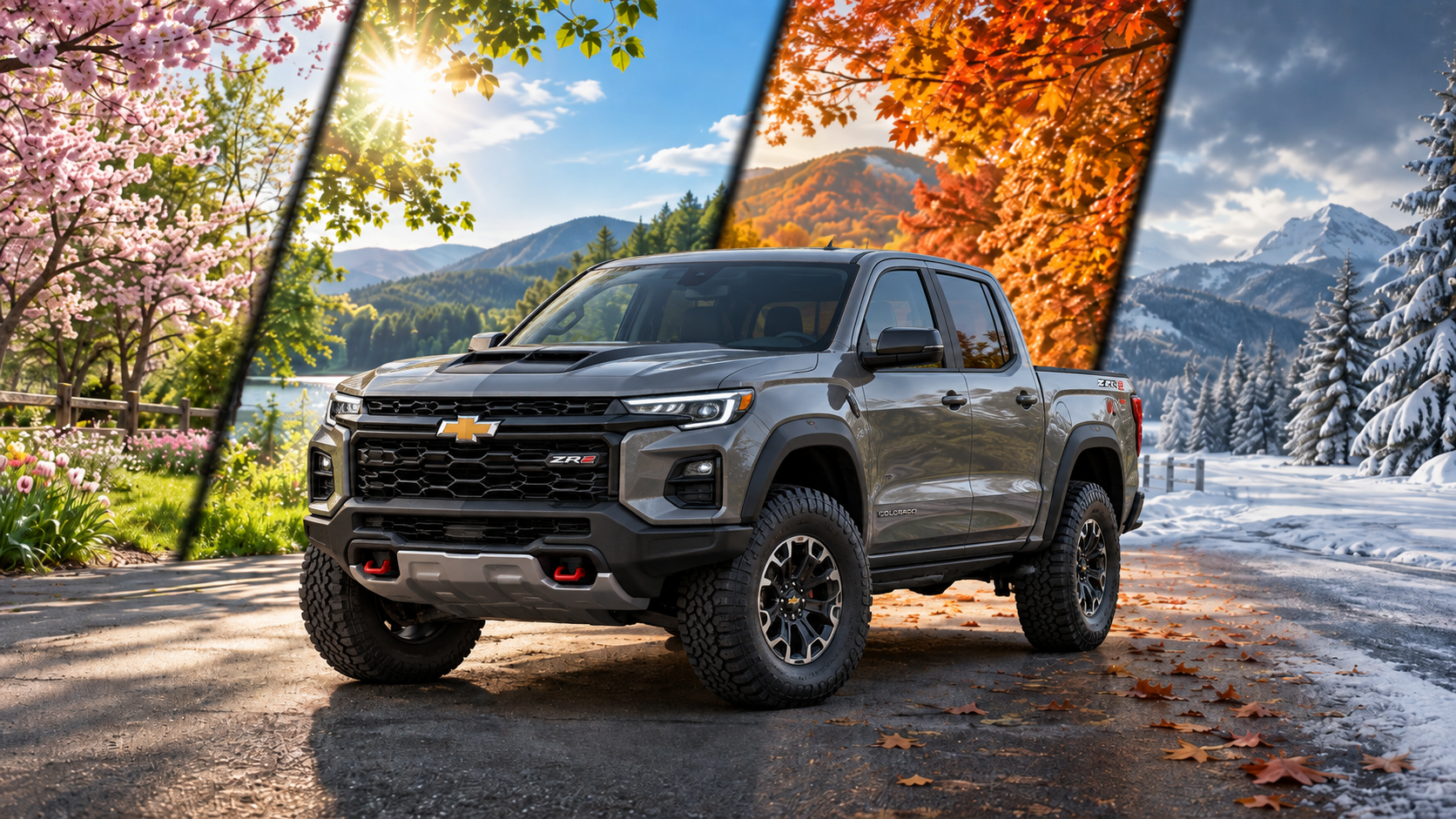
As the seasons change, your vehicle has to adjust too. Cooler mornings, wet roads, falling leaves, shorter days, and eventually freezing temperatures can all put extra stress on your car, truck, or SUV. Taking care of a few basic maintenance items in the fall can help you avoid bigger problems later.

Before colder weather arrives, use this simple fall vehicle maintenance checklist to help prepare your vehicle for the road ahead.

1. Check Your Battery

Cooler weather can expose a weak battery quickly. If your vehicle has been slow to start, the battery terminals look corroded, or the battery is several years old, fall is a good time to have it tested.

A battery that works fine in warm weather may struggle once temperatures drop. Testing it before cold mornings arrive can help reduce the chance of being stuck with a vehicle that will not start.

2. Inspect Your Tires

Your tires are especially important as roads become wet, cold, or slick. Check your tire tread depth, look for uneven wear, and make sure your tires are properly inflated.

Tire pressure can drop as temperatures fall, so even if your tires looked fine during the summer, they may need attention in the fall. Proper tire pressure can help with handling, traction, ride quality, and fuel efficiency.

Also take a quick look for cracks, bulges, punctures, or other visible damage. If your tires are worn or uneven, it may be time for a tire rotation, alignment check, or replacement.

3. Replace Worn Wiper Blades

Good visibility is critical in the fall. Rain, road spray, frost, falling leaves, and early morning moisture can make it harder to see clearly.

If your wiper blades streak, skip, chatter, squeak, or leave cloudy spots on the windshield, it is time to replace them. Wiper blades are a small maintenance item, but they can make a big difference when the weather turns.

It is also a good idea to top off your windshield washer fluid with a seasonally appropriate formula before temperatures drop.

4. Check Your Brakes Before Slick Roads Arrive

Your brakes should feel smooth, steady, and responsive. If you hear squeaking or grinding, feel vibration when braking, notice the vehicle pulling to one side, or feel a soft brake pedal, schedule an inspection.

Fall is a smart time to catch brake issues before winter driving conditions arrive. Wet leaves, rain, frost, and icy roads can all increase stopping distance, so your braking system needs to be ready.

5. Top Off Fluids

Fluids help protect your vehicle and keep major systems working properly. Before colder weather sets in, check or have a technician check:

  • Engine oil
  • Coolant
  • Brake fluid
  • Transmission fluid, if applicable
  • Power steering fluid, if applicable
  • Windshield washer fluid

Coolant is especially important before winter because it helps regulate engine temperature and protect against freezing. If you are not sure when your fluids were last checked or changed, a fall inspection is a good place to start.

6. Test Your Lights

As the days get shorter, you will likely rely on your lights more often. Walk around your vehicle and check:

  • Headlights
  • Brake lights
  • Turn signals
  • Hazard lights
  • Reverse lights
  • License plate lights

Dim, cloudy, or burned-out lights can make it harder for you to see and harder for other drivers to see you. Replacing bulbs or cleaning cloudy lenses can help improve visibility during early mornings, evenings, rain, and fog.

7. Look Over Belts and Hoses

Cold weather can be hard on rubber parts. Worn belts or hoses may crack, loosen, leak, or fail when temperatures drop.

During a fall maintenance check, have belts and hoses inspected for cracking, fraying, soft spots, leaks, or other signs of wear. Catching these issues early can help prevent inconvenient breakdowns.

8. Check Heating and Defrost

Before you really need it, make sure your heater and defroster are working properly. A good defroster helps clear fog, frost, and moisture from your windshield and windows.

If your heat is weak, your windows do not clear well, or you notice unusual smells when the system is running, it may be time to have the system inspected.

9. Schedule Service Before the Winter Rush

The first major cold snap tends to remind everyone about batteries, tires, brakes, and heating systems at the same time. Scheduling fall maintenance early can help you beat the winter service rush and give you more confidence before colder weather arrives.

Whether your vehicle needs an oil change, tire inspection, brake check, battery test, wiper blades, or a full seasonal inspection, taking care of it now can help you head into the next season better prepared.

Get Fall-Ready at Voice Motor Sales Chevrolet

Voice Motor Sales Chevrolet in Kalkaska is here to help you prepare your vehicle for fall and colder weather. Our service team can inspect your battery, tires, brakes, fluids, wipers, lights, belts, hoses, and more.

Before the weather changes, schedule your next service visit with Voice Motor Sales Chevrolet and make sure your vehicle is ready for the road ahead.

Schedule service today:
Schedule Service at Voice Motor Sales Chevrolet


Fall Vehicle Maintenance Checklist | Voice Motor Sales Chevrolet Service


Recommended Posts

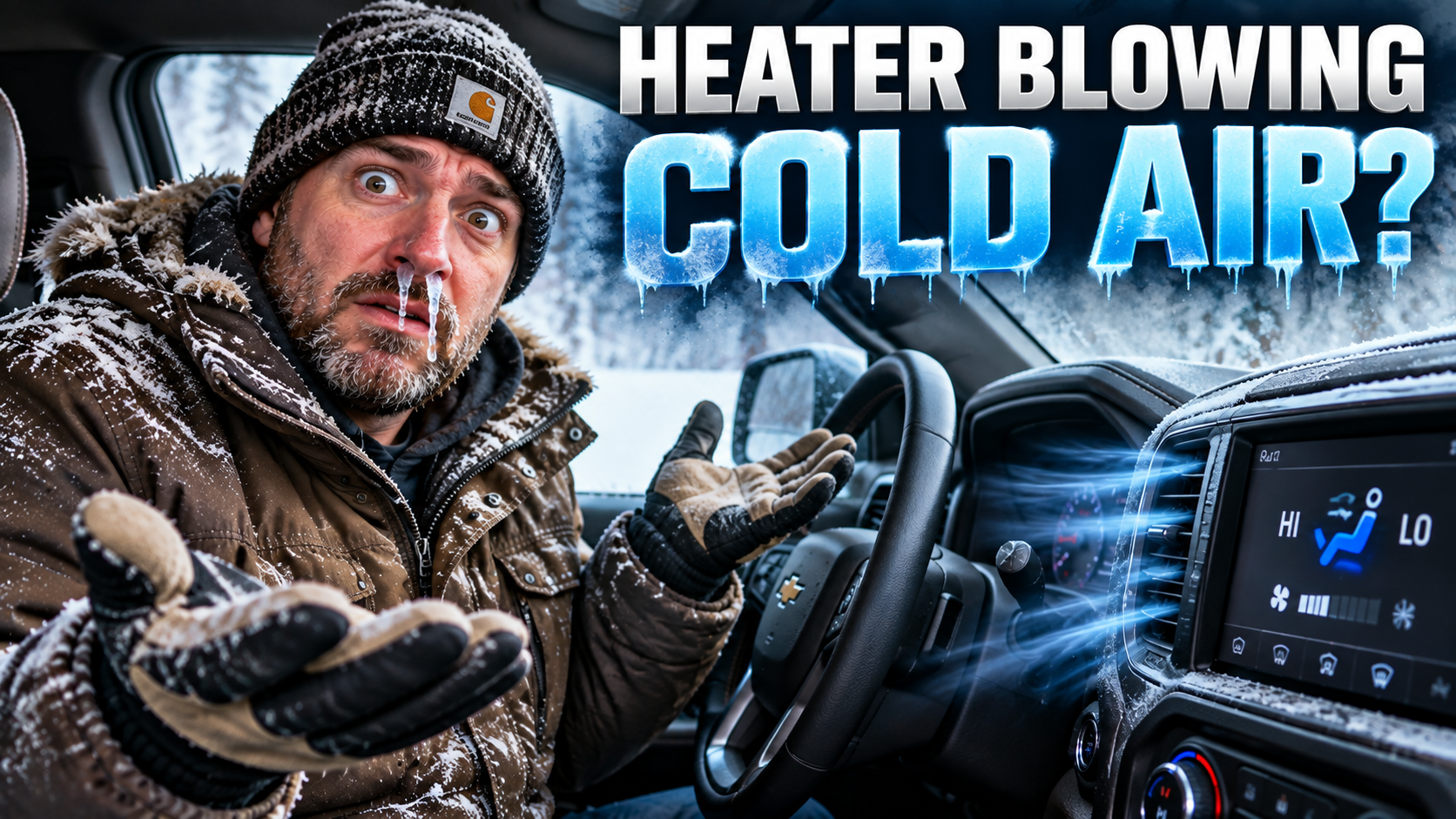
Heater Blowing Cold

Why Is My Car Heater Blowing Cold Air? 7 Common Causes

Why Is My Car Heater Blowing Cold Air? 7 Common Causes Reviewed by the Voice Motor Sales Service Department in Kalkaska, Michigan Turning on the heat and getting nothing but cold air is frustrating any time of year, but it becomes a much bigger problem once Northern Michigan temperatures begin to fall. A vehicle's heater depends on several systems working together. In many vehicles, heat from the engine's cooling system is used to warm the air entering the passenger compartment. That means a heater problem can sometimes involve much more than the dashboard climate controls. If your car heater is blowing cold air, taking a long time to warm up, working only while driving, or producing different temperatures from different vents, the symptoms can provide useful clues. Here are seven common reasons a car heater may stop producing warm air and when the problem deserves prompt attention. How Does a Car Heater Work? In a typical gasoline-powered vehicle, the engine creates heat while operating. Engine coolant absorbs some of that heat and circulates through the cooling system. When cabin heat is requested, warm coolant can flow through a small heat exchanger called the heater core. Air passes across the heater core and is directed through the vehicle's vents. Other components help control how much air moves through the system and where it goes, including: The blower motor Climate-control electronics Temperature or blend doors Actuators Coolant-control components on some vehicles Because several systems are involved, "the heater doesn't work" can describe several very different problems. 1. The Engine Hasn't Warmed Up Yet Some delay before warm air begins coming from the vents is normal. The engine and coolant need time to reach operating temperature, especially after a cold start. On a very cold Northern Michigan morning, the cabin may take noticeably longer to warm than it does during mild weather. The concern is when the engine has been running normally for an extended period and the vents still produce little or no heat. 2. Low Engine Coolant Low coolant is one possible reason a vehicle's heater may blow cold or only slightly warm air. The heater core relies on heated coolant circulating through it. If the cooling system is low, circulation through the heater circuit may be reduced or interrupted. Low coolant can be caused by a leak or another cooling-system problem and should not simply be treated as a heater inconvenience. Other possible signs of a cooling-system concern include: Engine temperature running higher than normal A coolant warning message Visible coolant underneath the vehicle A sweet smell Steam Frequently needing to add coolant If cabin heat suddenly disappears and the engine temperature is also rising, pay attention immediately. No Heat Plus Overheating Can Be a Warning Sign A heater that suddenly begins blowing cold while the engine temperature climbs can indicate a cooling-system problem that may require prompt attention. Continuing to operate an overheating engine can cause substantial damage. If the temperature gauge moves into an unsafe range, an overheating warning appears, or you see steam, move to a safe location and shut the engine off when appropriate. Do not remove a hot cooling-system cap. A pressurized cooling system can release extremely hot coolant and steam. 3. Thermostat Problems The engine thermostat helps regulate coolant flow so the engine can reach and maintain its intended operating temperature. If a thermostat is stuck open, the engine may run cooler than intended, particularly during cold weather. Possible symptoms can include: The heater taking a very long time to get warm Cabin heat that never becomes very hot An engine temperature gauge that remains unusually low Temperature changing noticeably during highway driving Thermostat problems are only one possibility, so the symptom should be diagnosed rather than assuming the thermostat automatically needs replacement. 4. Heater Core Problems The heater core is responsible for transferring heat from warm engine coolant to the air entering the cabin. If coolant cannot flow properly through the heater core, cabin heat may become weak or disappear. Possible heater-core concerns can include internal restrictions or leaks. Symptoms may include: Weak or inconsistent heat A sweet coolant smell inside the vehicle Windows developing an unusual film or fog Coolant loss Dampness near the passenger-side floor on some vehicles Not every case of weak heat indicates a bad heater core, but these symptoms are worth mentioning when the vehicle is inspected. 5. A Blend Door or HVAC Actuator Isn't Working Properly Modern heating and air-conditioning systems use internal doors to control where air flows and how much heated or cooled air reaches the cabin. Small electric actuators often move these doors when you change the temperature or vent settings. If a blend door or actuator is not moving correctly, the engine may be producing plenty of heat while the HVAC system continues sending cold air through the vents. Possible clues include: The driver's side is warm but the passenger side is cold Temperature does not change when the control is adjusted Heat works intermittently Clicking or tapping sounds from behind the dashboard Dual-zone climate control producing very different temperatures Why Does My Heater Work on One Side but Not the Other? Vehicles with dual-zone or multi-zone climate control can sometimes develop a problem where one side of the cabin receives warm air while another side remains cold. That type of symptom can point technicians toward climate-control doors, actuators, controls, or other HVAC-system components rather than immediately toward the engine cooling system. Tell your technician exactly which vents are affected and whether changing the temperature setting makes any difference. 6. Blower Motor or Airflow Problems There is an important difference between: Air coming from the vents but staying cold Little or no air coming from the vents at all If you can feel warm air but almost no airflow, the problem may involve the air-delivery side of the HVAC system rather than the source of the heat itself. Possible causes can include: Blower motor problems Electrical issues Blower-control components Airflow restrictions A severely restricted cabin air filter on applicable vehicles If the blower works only on certain fan-speed settings, mention that as well. That detail can help narrow the diagnosis. 7. Air Trapped in the Cooling System or a Coolant-Circulation Problem The heater depends on consistent coolant circulation. Air trapped in the system or another coolant-circulation problem can sometimes interfere with heater performance. This may become noticeable after: Cooling-system repairs Coolant service A coolant leak The cooling system becoming very low Heater performance that changes with engine speed can also provide useful diagnostic information. Why Does My Car Heater Work Only When I'm Driving? If the heater becomes warmer while driving or accelerating but turns cool while idling, coolant circulation may be one possibility to investigate. Low coolant, trapped air, heater-core restrictions, or other cooling-system conditions can sometimes create symptoms that change with engine speed. This is a useful symptom to describe accurately when scheduling service. Why Does My Heater Blow Warm Air While Driving but Cold Air at a Stop? This symptom deserves attention because it suggests that operating conditions are affecting heater output. Rather than repeatedly increasing the temperature setting, note: Whether the engine temperature gauge changes Whether heat improves when engine speed increases Whether the coolant level has recently been low Whether any repairs were recently performed on the cooling system Why Does My Car Take Forever to Warm Up? Cold outdoor temperatures naturally increase warm-up time, but a vehicle that suddenly takes much longer than it used to may have another issue. Possible factors can include: Very low ambient temperature A thermostat that is not regulating temperature correctly Cooling-system conditions HVAC temperature-control issues Compare the vehicle's current behavior with what has been normal for that same vehicle in similar weather. Can a Cabin Air Filter Cause No Heat? A cabin air filter primarily affects airflow, not the temperature of the coolant flowing through the heater core. A severely restricted filter may reduce how much air moves through the vents, making the heater feel ineffective even when the air itself is warm. If the vents produce warm air but the airflow is unusually weak, the cabin air filter can be one of several things worth checking. Does the Check Engine Light Come On for Heater Problems? Not every heater problem will illuminate the check engine light. However, certain engine-management or cooling-system concerns may trigger diagnostic trouble codes or warning messages. If your heater problem occurs along with a check engine light, temperature warning, or other dashboard message, mention all of those symptoms during diagnosis. You can learn more in our guide: Check Engine Light On? What It Means and What to Do Next. Why Is There a Sweet Smell Inside My Car? Engine coolant can have a distinctive sweet odor. If you notice that smell inside the passenger compartment—especially along with poor heat, coolant loss, unusual windshield fogging, or damp carpeting—it may be related to a cooling-system leak. Coolant should not be ignored. Besides affecting heater operation, low coolant can eventually contribute to engine overheating. Why Does My Windshield Keep Fogging When the Heater Is On? Some windshield fogging is normal when there is a large difference between interior and exterior temperature or when cabin humidity is high. However, persistent unusual fogging combined with a sweet odor or greasy-looking film can be another symptom worth reporting to a technician. Good heater and defroster operation is particularly important during Michigan winters because maintaining windshield visibility is a safety concern, not simply a comfort issue. Can You Drive With a Heater That Doesn't Work? Whether the vehicle is safe to drive depends on why the heater stopped working. If the engine temperature remains normal and the issue is limited to an HVAC control or airflow problem, the vehicle may still operate normally. However, a lack of heat becomes more serious when it is accompanied by: Engine overheating Low coolant Coolant leaking Steam Temperature warning lights Rapid temperature-gauge changes There is also the practical issue of windshield defrosting. A heater or HVAC system that cannot effectively clear the windshield can create a visibility problem during cold or wet weather. What Should You Check if Your Heater Is Blowing Cold? Without disassembling anything, there are several observations you can make before scheduling service. Note: Whether the engine reaches normal operating temperature Whether the heater ever becomes warm Whether heat changes while driving versus idling Whether both sides of the cabin have the same temperature Whether airflow is strong or weak Whether all fan speeds work Whether you smell coolant Whether any warning lights are on Whether the coolant level has been low Whether the vehicle has recently had cooling-system work These details can significantly narrow the diagnostic process. Don't Keep Adding Coolant Without Finding Out Where It Is Going If the cooling system repeatedly needs coolant, the important question is why. Continually topping off a leaking system without diagnosing the source can allow the underlying problem to become worse. Cooling-system leaks can sometimes be small or difficult to see, particularly when coolant only escapes under certain temperatures or pressures. What Our Service Team Recommends At Voice Motor Sales, we recommend looking at the complete symptom rather than assuming that every no-heat complaint means the heater core or thermostat has failed. Tell your technician: When the problem started Whether the heat stopped suddenly or gradually weakened Whether the problem changes while driving Whether the engine reaches normal temperature Whether one side of the cabin is warmer than the other Whether airflow is weak or completely absent Whether you have noticed coolant loss Whether there are any unusual smells Whether the temperature gauge has behaved differently That information can help distinguish between a cooling-system problem and an HVAC air-delivery or climate-control concern. Car Heater Problems in Northern Michigan A functioning heater is particularly important for drivers around Kalkaska, Traverse City, Grayling, Cadillac, Lake City, Mancelona, and surrounding Northern Michigan communities. Cabin comfort matters, but the heater and HVAC system also play an important role in keeping the windshield clear during cold, snowy, and damp conditions. If you notice weak heat during early fall, it can be worthwhile to have the problem addressed before colder weather becomes an everyday reality. For more seasonal vehicle preparation, read our Fall Vehicle Maintenance Checklist. Car Heater Not Working? Visit Voice Motor Sales If your heater is blowing cold air, taking too long to warm up, or working differently from one side of the cabin to the other, the Service Department at Voice Motor Sales in Kalkaska can help diagnose the cause. Visit the Voice Motor Sales Service Department to learn more about our automotive service department. You can also schedule a service appointment online or view current Service & Parts Specials. Related Vehicle Service Resources Fall Vehicle Maintenance Checklist Check Engine Light On? What It Means and What to Do Next Should You Wash Your Car in the Winter? Voice Motor Sales Service Department Current Service & Parts Specials Schedule a Service Appointment Frequently Asked Questions About Car Heater Problems Why is my car heater blowing cold air? Possible causes include low coolant, a thermostat problem, heater-core concerns, HVAC blend-door or actuator problems, or coolant-circulation issues. The exact cause depends on the vehicle and other symptoms. Why does my heater only work when I'm driving? If the heater gets warmer while driving or accelerating but cools down at idle, coolant circulation may be one area to investigate. Low coolant, trapped air, heater-core restrictions, or other cooling-system concerns can sometimes cause this type of symptom. Why does my car take so long to warm up? Very cold weather naturally increases warm-up time. If the vehicle takes much longer than it previously did, possible causes can include a thermostat that is not regulating engine temperature correctly or another cooling-system or HVAC concern. Can low coolant cause the heater to blow cold air? Yes. The heater relies on warm engine coolant circulating through the heater core. If coolant is too low, heater performance may be reduced and the engine may also be at risk of overheating. Why is one side of my car blowing hot air and the other side cold? On vehicles with dual-zone climate control, different temperatures from opposite sides of the cabin may indicate a problem involving a blend door, actuator, climate-control system, or another HVAC component. Why do I have no air coming from my vents? If no air or very little air comes from the vents, the problem may involve the blower motor, blower controls, electrical system, airflow restriction, or another HVAC component rather than the source of the heat itself. Can a bad thermostat cause no heat? A thermostat that remains open can prevent the engine from reaching its intended operating temperature, which may result in weak cabin heat or an unusually long warm-up time. Is it safe to drive if my car heater stops working? It depends on the cause. If the heater failure occurs with overheating, low coolant, coolant leakage, steam, or temperature warnings, stop and have the vehicle evaluated. A heater or defroster problem that prevents adequate windshield visibility can also create a safety concern. Where can I have my car heater checked near Kalkaska, Michigan? The Voice Motor Sales Service Department in Kalkaska can diagnose heating, cooling-system, and HVAC concerns for drivers throughout Kalkaska and surrounding Northern Michigan communities. SEO TITLE: Why Is My Car Heater Blowing Cold Air? 7 Causes | Voice Motor Sales META DESCRIPTION: Car heater blowing cold air? Learn 7 possible causes including low coolant, thermostat, heater core, blend doors and HVAC problems, plus when to seek service. SUGGESTED URL SLUG: why-is-my-car-heater-blowing-cold-air-7-common-causes Why Is My Car Heater Blowing Cold Air? 7 Causes | Voice Motor Sales Update this URL if DealerOn generates a different live article slug BLOGPOSTING SCHEMA { "@context": "https://schema.org", "@type": "BlogPosting", "@id": "https://www.voicemotors.com/blogs/9721/why-is-my-car-heater-blowing-cold-air-7-common-causes/#article", "mainEntityOfPage": { "@type": "WebPage", "@id": "https://www.voicemotors.com/blogs/9721/why-is-my-car-heater-blowing-cold-air-7-common-causes/" }, "headline": "Why Is My Car Heater Blowing Cold Air? 7 Common Causes", "description": "Learn seven possible reasons a car heater may blow cold air, including low coolant, thermostat problems, heater-core concerns, HVAC blend doors, blower problems and coolant-circulation issues.", "datePublished": "2026-09-28", "dateModified": "2026-09-28", "author": { "@type": "Organization", "name": "Voice Motor Sales Service Department", "url": "https://www.voicemotors.com/service" }, "publisher": { "@type": "Organization", "@id": "https://www.voicemotors.com/#organization", "name": "Voice Motor Sales", "legalName": "Voice Motor Sales, Inc.", "url": "https://www.voicemotors.com/" }, "about": [ { "@type": "Thing", "name": "Car Heater Problems" }, { "@type": "Thing", "name": "Automotive HVAC" }, { "@type": "Thing", "name": "Engine Cooling System" }, { "@type": "Thing", "name": "Heater Core" }, { "@type": "Thing", "name": "Engine Coolant" }, { "@type": "Thing", "name": "Vehicle Heating System" }, { "@type": "Place", "name": "Northern Michigan" } ] } BREADCRUMB SCHEMA { "@context": "https://schema.org", "@type": "BreadcrumbList", "itemListElement": [ { "@type": "ListItem", "position": 1, "name": "Voice Motor Sales", "item": "https://www.voicemotors.com/" }, { "@type": "ListItem", "position": 2, "name": "Blog", "item": "https://www.voicemotors.com/blogs/9721/" }, { "@type": "ListItem", "position": 3, "name": "Why Is My Car Heater Blowing Cold Air? 7 Common Causes", "item": "https://www.voicemotors.com/blogs/9721/why-is-my-car-heater-blowing-cold-air-7-common-causes/" } ] } SERVICE DEPARTMENT SCHEMA { "@context": "https://schema.org", "@type": "AutoRepair", "@id": "https://www.voicemotors.com/service#autorepair", "name": "Voice Motor Sales Service Department", "url": "https://www.voicemotors.com/service", "telephone": "+1-866-254-6071", "parentOrganization": { "@type": "AutoDealer", "@id": "https://www.voicemotors.com/#autodealer", "name": "Voice Motor Sales", "legalName": "Voice Motor Sales, Inc.", "url": "https://www.voicemotors.com/" }, "address": { "@type": "PostalAddress", "streetAddress": "302 W Mile Rd NW", "addressLocality": "Kalkaska", "addressRegion": "MI", "postalCode": "49646", "addressCountry": "US" }, "areaServed": [ { "@type": "Place", "name": "Kalkaska, Michigan" }, { "@type": "Place", "name": "Traverse City, Michigan" }, { "@type": "Place", "name": "Grayling, Michigan" }, { "@type": "Place", "name": "Cadillac, Michigan" }, { "@type": "Place", "name": "Lake City, Michigan" }, { "@type": "Place", "name": "Mancelona, Michigan" }, { "@type": "Place", "name": "Northern Michigan" } ] }

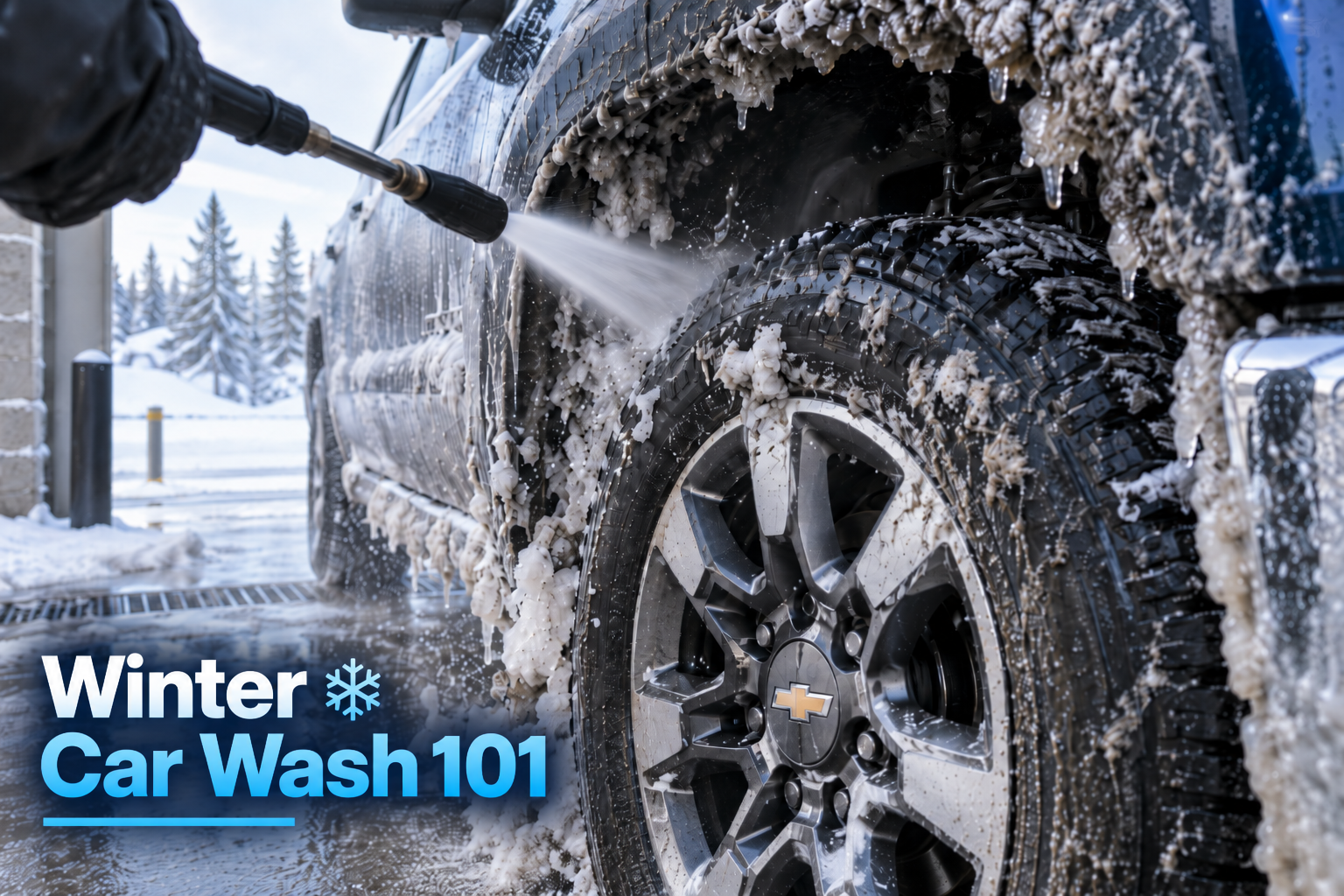
Winter Car Wash 101

Should You Wash Your Car in the Winter? How to Protect It From Salt, Slush, and Road Grime

Should You Wash Your Car in the Winter? How to Protect It From Salt, Slush, and Road Grime Reviewed by the Voice Motor Sales Service Department in Kalkaska, Michigan Washing your vehicle may seem like a summertime chore, but winter can actually be one of the most important times to keep it clean. Northern Michigan roads can expose vehicles to a constant mixture of snow, slush, moisture, dirt, and deicing materials. That gray coating that builds up along the doors, rocker panels, wheel openings, and tailgate is more than a cosmetic issue. Leaving winter grime on a vehicle for extended periods can give moisture and corrosive materials more time to remain in contact with painted and metal surfaces. So, should you wash your car in the winter? In most cases, yes. Regular winter washing—especially cleaning the lower body and underbody—can be a useful part of protecting your vehicle. The key is knowing when to wash it, what areas deserve the most attention, and how to avoid creating problems when temperatures are extremely cold. Why Is It Important to Wash Your Car in the Winter? Winter driving conditions can cover a vehicle with considerably more than ordinary dirt. During a typical Northern Michigan winter, your vehicle may encounter: Road salt and other deicing materials Snow and slush Sand and road grit Standing water Mud Dirty road spray from other vehicles These materials tend to collect on the lowest and most exposed areas of the vehicle, including the wheel wells, rocker panels, bumpers, suspension areas, and underside. Washing helps remove that buildup before it remains on the vehicle for an extended period. Does Road Salt Damage Cars? Road salt and other deicing materials are useful for improving winter-road conditions, but they can also contribute to corrosion when they remain on exposed metal surfaces in the presence of moisture. Modern vehicles are designed with corrosion protection, coatings, sealers, and treated materials, but no vehicle is completely immune to years of exposure. Areas that may deserve particular attention include: Rocker panels Wheel openings Lower portions of doors Frame and underbody components Suspension components Brake and fuel line areas Fasteners and brackets Areas where paint has already been chipped or damaged Removing winter contamination periodically can help limit how long those materials remain on the vehicle. How Often Should You Wash Your Car in the Winter? There is no single schedule that works for every driver. A practical rule of thumb during periods of frequent salt and slush is to consider washing the vehicle approximately every week or two, depending on road conditions and how much you drive. You may want to wash more frequently if: You drive every day on heavily treated roads Your commute includes a lot of highway driving The vehicle is visibly coated with salt or grime You regularly drive on rural roads You travel through repeated freeze-and-thaw cycles You notice heavy buildup around the wheels and lower body If the roads have been relatively dry and the vehicle remains clean, there may be less urgency. The goal is not necessarily to keep the vehicle spotless all winter. It is to prevent layers of winter contamination from remaining on it indefinitely. Should You Wash Your Car Every Time the Roads Are Salted? Usually that is not necessary. During a Northern Michigan winter, roads may be treated repeatedly. Washing after every single exposure could become impractical. Instead, watch the weather and road conditions. A good opportunity may be after a stretch of snowy or salty weather when temperatures moderate and the roads begin to dry. That allows you to remove accumulated grime without immediately covering the vehicle again on the drive home. Don't Forget the Undercarriage If the main reason you are washing the vehicle is winter salt, the underside may be one of the most important areas to clean. The paint on the hood can certainly get dirty, but the parts underneath the vehicle often receive the greatest exposure to wet road spray. When choosing an automatic wash during winter, look for an option that includes an underbody or undercarriage rinse. This can help flush accumulated material from areas that are difficult to reach during an ordinary exterior wash. Pay Attention to the Wheel Wells Wheel wells are another common collection point for winter debris. Tires continually throw water, slush, salt, sand, and road grime into these areas. Snow and ice can also become packed around: Wheel-opening liners Mud flaps Suspension areas The lower edges of bumpers Regularly removing heavy buildup can help keep these areas cleaner and may also prevent packed snow from rubbing against tires or interfering with surrounding components. Can You Wash a Car When It's Freezing Outside? You can wash a vehicle during cold weather, but extremely low temperatures require more caution. When the temperature is below freezing, water left on the vehicle can freeze before it has a chance to drain or evaporate. This can potentially lead to: Frozen door seals Frozen door handles Ice around mirrors Ice around the fuel door Ice forming around exterior trim Frozen water in crevices If possible, choose a relatively mild winter day rather than washing the vehicle during extreme cold. A commercial wash that operates in a heated environment and provides strong drying can also make winter washing easier. What Temperature Is Too Cold to Wash a Car? There is not one exact temperature that applies to every car wash, vehicle, or situation. As temperatures move well below freezing, the chance of water freezing on or around the vehicle increases. Whenever possible, choose a day when temperatures are near or above freezing and allow time for the vehicle to dry before temperatures fall sharply again. If you are using a commercial automatic wash, follow any temperature-related operating guidance provided by that facility. Dry the Doors and Seals After a Winter Car Wash One of the easiest ways to avoid a frozen door the next morning is to remove excess water after washing. After the wash, consider opening each door and wiping moisture from: Door edges Rubber weather seals Door jambs Trunk or liftgate openings Fuel-door area This only takes a few minutes and can reduce the amount of water remaining in areas that are susceptible to freezing. Automatic Car Wash vs. Hand Washing in the Winter Both can work, but winter changes the practical considerations. Automatic Car Wash Automatic washes can be convenient in winter because they may offer: Underbody rinsing High-pressure cleaning Indoor or partially enclosed washing Drying systems A quick way to remove heavy salt buildup The exact equipment and wash process vary by facility. Hand Washing Hand washing provides more control over how the vehicle is cleaned, but it can be difficult when outside temperatures are below freezing. If you hand wash a vehicle in winter, avoid allowing wash water to freeze on the driveway, walking surfaces, vehicle, or cleaning equipment. Is a Touchless Car Wash Good for Winter? A touchless wash can be useful for removing winter grime without brushes or other wash material contacting the paint. For drivers primarily concerned with quickly removing salt and road spray, a touchless wash with an underbody rinse can be a practical option. However, cleaning effectiveness varies by the amount of buildup, equipment, chemicals, pressure, and wash package. Extremely stubborn road film may require additional cleaning. Should You Wax Your Car Before Winter? Applying an appropriate wax, sealant, or other paint-protection product before winter can provide an additional layer between the vehicle's finish and environmental contamination. It does not eliminate the need for washing, but it may help make dirt and road film easier to remove while providing additional protection to the finish. Fall is a convenient time to clean and protect the vehicle before regular snow and road-treatment season begins. What About Rock Chips and Paint Damage? Small paint chips deserve attention before winter. Paint helps protect the underlying metal. When a stone chip or scratch exposes bare metal, moisture and road contamination have a more direct path to the surface underneath. Inspect areas that commonly receive road debris, including: Front edge of the hood Front bumper Rocker panels Lower doors Wheel-opening edges Addressing damaged paint before it becomes a larger problem can be easier than dealing with corrosion later. Clean Your Headlights and Taillights Too Winter grime can quickly coat headlights, taillights, turn signals, cameras, and license plates. Even if you do not have time for a full wash, periodically clean: Headlights Taillights Turn signals Backup camera lenses Exterior cameras Parking sensors License plates Clean lighting and camera surfaces can be particularly important during the darker days and poor visibility of a Michigan winter. Be Careful Around Sensors and Cameras Many modern vehicles use exterior cameras, radar systems, and ultrasonic sensors to support driver-assistance features. Snow, ice, salt, and heavy road grime can temporarily obstruct some of these components. If your vehicle displays a message indicating that a camera or driver-assistance feature is unavailable, check whether the relevant exterior area is covered with snow, ice, or grime. Follow the cleaning instructions in your owner's manual and avoid using sharp objects to remove ice from cameras or sensor surfaces. Don't Use Hot Water to Melt Ice on Your Windshield Pouring very hot water onto frozen automotive glass is not a good winter shortcut. Rapid temperature changes can place unnecessary stress on the glass, particularly if the windshield already has a chip or crack. Use the vehicle's defroster and an appropriate ice scraper instead. Should You Wash Your Vehicle After a Snowstorm? Not necessarily immediately. If roads are still wet, slushy, and heavily treated, washing the vehicle only to immediately drive through the same conditions may accomplish very little. It can make more sense to wait until: The storm has passed Roads have been cleared Conditions begin drying Temperatures are favorable for washing Then wash away the buildup accumulated during the storm. What About a Vehicle That Sits in a Garage? Garage parking does not eliminate the need for winter washing. In fact, snow and slush carried into a warmer garage may melt and keep the underside of the vehicle wet for a period of time. If the vehicle has accumulated significant salt and road grime, periodically cleaning it is still worthwhile even if it spends every night indoors. Should You Wash a New Vehicle During the Winter? Yes. A new vehicle is still exposed to the same road conditions as an older one. Keeping a new vehicle clean from the beginning can help maintain its appearance and gives you opportunities to notice paint chips, scratches, or other exterior damage early. Always follow the vehicle manufacturer's care recommendations for paint, trim, cameras, sensors, and other exterior components. Should You Wash an Older Vehicle More Often? An older vehicle may have existing paint chips, surface corrosion, worn coatings, or previously repaired areas that make regular inspection especially worthwhile. Washing the vehicle gives you an opportunity to look for: New rust spots Paint bubbling Stone chips Damaged trim Loose splash shields Damage around wheel wells Catching a small issue early can sometimes prevent it from becoming a much larger repair. A Simple Winter Car-Wash Routine Winter vehicle care does not need to be complicated. A practical routine might look like this: Wait for a reasonable weather window when possible. Choose a wash that includes an underbody rinse. Remove heavy salt and grime from the lower body and wheel wells. Make sure headlights, taillights, cameras, and sensors are clean. Allow the vehicle to dry thoroughly. Wipe excess water from door jambs and weather seals during freezing weather. Inspect the vehicle for paint chips or exterior damage while it is clean. What Our Service Team Recommends At Voice Motor Sales, we recommend thinking of winter washing as part of seasonal vehicle care rather than simply a way to keep your car looking clean. During periods of heavy road salt and slush, focus especially on: The underbody Wheel wells Rocker panels Lower doors Bumpers Lighting Exterior cameras and sensors You do not have to wash the vehicle every time it snows. Instead, watch the conditions and remove accumulated winter grime regularly throughout the season. Winter Vehicle Care in Northern Michigan Drivers in Kalkaska, Traverse City, Grayling, Cadillac, Lake City, Mancelona, and surrounding Northern Michigan communities know how quickly a clean vehicle can become covered with road spray during winter. Frequent snow, freezing temperatures, rural roads, and changing conditions can make winter particularly demanding on vehicles. Washing is only one part of preparing for those conditions. It is also a good time to keep an eye on: Tire condition and pressure Battery condition Windshield wipers Washer fluid Brakes Exterior lighting Engine coolant For a broader seasonal checklist, read our Fall Vehicle Maintenance Checklist: Get Ready Before Colder Weather Arrives. Need Help Getting Your Vehicle Ready for Winter? Washing away winter grime is something most vehicle owners can handle themselves, but winter is also a good time to make sure the rest of the vehicle is ready for colder weather. The Service Department at Voice Motor Sales in Kalkaska can help with routine maintenance, tires, batteries, brakes, wipers, fluids, and other seasonal vehicle needs. Visit the Voice Motor Sales Service Department to learn more. You can also view current Service & Parts Specials or schedule a service appointment online. More Winter Vehicle Care Resources Fall Vehicle Maintenance Checklist Learn About Tires at Voice Motor Sales Battery Service & Replacement Order Genuine GM & ACDelco Parts Voice Motor Sales Service Department Schedule Service Frequently Asked Questions About Washing a Car in Winter Should you wash your car in the winter? Yes. Periodically washing a vehicle during winter can help remove road salt, dirt, slush, and other contamination. Pay particular attention to the lower body, wheel wells, and undercarriage. How often should you wash your car in winter? The ideal frequency depends on driving conditions. During periods of heavy road salt and slush, washing approximately every week or two can be a reasonable rule of thumb. Drivers who travel frequently on heavily treated roads may want to wash more often. Does road salt cause rust? Salt and other deicing materials can contribute to corrosion when moisture and exposed metal are present. Regularly removing accumulated winter contamination can reduce how long these materials remain on the vehicle. Should I get an undercarriage wash in the winter? An underbody rinse can be particularly useful during winter because road spray can carry salt, slush, and grime onto components underneath the vehicle that are difficult to clean during a basic exterior wash. Can you wash a car when it is below freezing? It is possible, but additional care is needed because remaining water can freeze around door seals, handles, mirrors, trim, and other areas. When possible, choose a milder winter day or a commercial wash designed to operate in cold conditions. Is a touchless car wash good for winter? A touchless wash can be a convenient way to remove winter road grime, particularly when it includes an underbody rinse. Cleaning effectiveness varies by facility and by how heavily contaminated the vehicle is. Should I wash my car immediately after a snowstorm? Not necessarily. If roads are still covered with wet salt and slush, it may make sense to wait until the storm has passed and road conditions improve before washing away the accumulated buildup. Can I wash my car before temperatures drop below freezing? Yes, but give the vehicle time to dry when possible. Wiping moisture from door jambs and weather seals can also help reduce the chance of doors freezing shut when temperatures fall. Where can I get my vehicle ready for winter near Kalkaska, Michigan? The Voice Motor Sales Service Department in Kalkaska provides maintenance and seasonal vehicle services for drivers throughout Kalkaska and surrounding Northern Michigan communities. SEO TITLE: Should You Wash Your Car in Winter? Salt & Winter Car Care | Voice Motor Sales META DESCRIPTION: Should you wash your car in winter? Learn how often to wash it, why road salt matters, when it's too cold and why underbody cleaning is important in Michigan. SUGGESTED URL SLUG: should-you-wash-your-car-in-the-winter Should You Wash Your Car in Winter? Salt & Winter Car Care | Voice Motor Sales Update this URL if DealerOn generates a different live article slug BLOGPOSTING SCHEMA { "@context": "https://schema.org", "@type": "BlogPosting", "@id": "https://www.voicemotors.com/blogs/9721/should-you-wash-your-car-in-the-winter/#article", "mainEntityOfPage": { "@type": "WebPage", "@id": "https://www.voicemotors.com/blogs/9721/should-you-wash-your-car-in-the-winter/" }, "headline": "Should You Wash Your Car in the Winter? How to Protect It From Salt, Slush, and Road Grime", "description": "A practical guide to winter car washing, including how often to wash your vehicle, road salt and corrosion concerns, underbody cleaning, freezing-temperature precautions, and winter vehicle care for Northern Michigan drivers.", "datePublished": "2026-09-21", "dateModified": "2026-09-21", "author": { "@type": "Organization", "name": "Voice Motor Sales Service Department", "url": "https://www.voicemotors.com/service" }, "publisher": { "@type": "Organization", "@id": "https://www.voicemotors.com/#organization", "name": "Voice Motor Sales", "legalName": "Voice Motor Sales, Inc.", "url": "https://www.voicemotors.com/" }, "about": [ { "@type": "Thing", "name": "Winter Car Washing" }, { "@type": "Thing", "name": "Road Salt" }, { "@type": "Thing", "name": "Vehicle Corrosion Prevention" }, { "@type": "Thing", "name": "Winter Vehicle Maintenance" }, { "@type": "Thing", "name": "Undercarriage Cleaning" }, { "@type": "Place", "name": "Northern Michigan" } ] } BREADCRUMB SCHEMA { "@context": "https://schema.org", "@type": "BreadcrumbList", "itemListElement": [ { "@type": "ListItem", "position": 1, "name": "Voice Motor Sales", "item": "https://www.voicemotors.com/" }, { "@type": "ListItem", "position": 2, "name": "Blog", "item": "https://www.voicemotors.com/blogs/9721/" }, { "@type": "ListItem", "position": 3, "name": "Should You Wash Your Car in the Winter?", "item": "https://www.voicemotors.com/blogs/9721/should-you-wash-your-car-in-the-winter/" } ] } SERVICE DEPARTMENT SCHEMA { "@context": "https://schema.org", "@type": "AutoRepair", "@id": "https://www.voicemotors.com/service#autorepair", "name": "Voice Motor Sales Service Department", "url": "https://www.voicemotors.com/service", "telephone": "+1-866-254-6071", "parentOrganization": { "@type": "AutoDealer", "@id": "https://www.voicemotors.com/#autodealer", "name": "Voice Motor Sales", "legalName": "Voice Motor Sales, Inc.", "url": "https://www.voicemotors.com/" }, "address": { "@type": "PostalAddress", "streetAddress": "302 W Mile Rd NW", "addressLocality": "Kalkaska", "addressRegion": "MI", "postalCode": "49646", "addressCountry": "US" }, "areaServed": [ { "@type": "Place", "name": "Kalkaska, Michigan" }, { "@type": "Place", "name": "Traverse City, Michigan" }, { "@type": "Place", "name": "Grayling, Michigan" }, { "@type": "Place", "name": "Cadillac, Michigan" }, { "@type": "Place", "name": "Lake City, Michigan" }, { "@type": "Place", "name": "Mancelona, Michigan" }, { "@type": "Place", "name": "Northern Michigan" } ] }

When Is the Best Time to Buy a Car?

When Is the Best Time to Buy a Car?

When Is the Best Time to Buy a Car? By Voice Motor Sales in Kalkaska, Michigan Is December the best month to buy a car? Should you wait for a holiday sale, shop at the end of the month, or buy before the next model year arrives? The best time to buy a car is when the right vehicle, an affordable total cost, and your transportation needs line up. Certain shopping periods can create opportunities, but no date guarantees the lowest price. For drivers in Kalkaska and throughout Northern Michigan, a little preparation can be more useful than trying to predict the perfect sale. Here is how to decide when to shop and when waiting may make sense. Is There a Best Month to Buy a Car? Late-year shopping is worth considering, particularly when dealerships have outgoing model-year vehicles available. However, pricing depends on the specific vehicle, remaining inventory, and applicable manufacturer programs. Car and Driver identifies the end of the calendar year and model-year transitions as periods to consider. Treat those as shopping opportunities, not promises that every vehicle will cost less. Start by identifying the vehicle you want and comparing actual purchase figures. A good fit available today may be more valuable than an uncertain future discount. Does Buying at the End of the Month Help? Sometimes. Dealership sales goals and inventory priorities can influence offers, but shoppers cannot assume every dealership or vehicle is in the same situation. If you want to compare an end-of-month opportunity, research and test-drive vehicles earlier. That gives you time to review pricing without making a rushed decision. Confirm the expiration date of any offer. Do not assume it ends on the last calendar day or will continue into the following month. Should You Wait for a Holiday Sale? Holiday events can be a useful reminder to check available offers. However, the sale name does not tell you whether the deal fits your situation. When reviewing an advertised offer, ask: Which vehicles qualify? What eligibility requirements apply? Can the advertised incentives be combined? What is the complete purchase price? When does the offer expire? Keep the comparison consistent. A lower payment on a longer loan is different from a lower vehicle price. The FTC recommends evaluating the total financing cost, including the APR and loan term, rather than concentrating only on the monthly payment. Is an Outgoing Model Year a Better Buy? An outgoing model-year vehicle may offer an attractive opportunity when newer models arrive. The tradeoff is selection: the exact color, trim, or equipment package you want may no longer be available. Compare the actual vehicles side by side. Consider differences in features, purchase price, available financing, and how long you expect to keep the vehicle. Model-year changes do not happen on one universal date. Edmunds explains that model introductions vary, making vehicle-specific research more useful than assuming every new model arrives in the fall. When Is the Best Time to Buy a Used Car? With a used vehicle, focus closely on the individual car. Two vehicles from the same model year can differ substantially in mileage, condition, equipment, and maintenance history. Before deciding that a particular listing is a good opportunity, compare: The asking price with similar vehicles Mileage and overall condition Available vehicle-history and maintenance information Features that matter to your household Financing terms and expected ownership expenses Begin with our current used vehicle inventory. Give yourself enough time to evaluate a vehicle carefully without assuming the same combination will remain available indefinitely. Should You Buy Before Winter in Northern Michigan? If you already expect to replace your vehicle, shopping before winter can give you time to compare options before transportation becomes urgent. Think about your actual routine: commuting between Kalkaska and Traverse City, driving rural roads, carrying family members, or traveling for work. Consider tires, ground clearance, visibility, and overall vehicle condition alongside drivetrain choices. This is a planning advantage, not a claim that fall always brings lower prices. The goal is to avoid having an unexpected breakdown make the decision for you. When Does Waiting Make Sense? Waiting may be worthwhile when your current vehicle meets your needs and additional time would improve your financial position or help you clarify what to buy. You might use that time to build a down payment, compare insurance costs, review your credit reports, or narrow your must-have features. Set a specific goal, such as saving a certain amount, rather than waiting indefinitely for an undefined “better deal.” When Might Buying Now Make More Sense? Consider moving forward when you have found a suitable vehicle, understand the complete transaction, and can comfortably manage the cost. Also consider the expense of waiting. Recurring repairs, rental transportation, or missed work can affect the comparison. Estimate those costs without assuming that every repair means your current vehicle should be replaced. What to Check Before You Decide Vehicle fit: Does it meet your everyday needs? Total price: Have you reviewed an itemized purchase amount? Trade-in: Do you know its value and any remaining payoff? Financing: Have you compared the APR, term, and total payments? Cash reserves: Will you retain money for other expenses? Timing: Is there a practical reason to buy or wait? Explore Your Options at Voice Motor Sales You do not need to choose a purchase date before starting your research. At Voice Motor Sales in Kalkaska, begin by browsing new Chevrolet vehicles, exploring used inventory, or requesting an online trade appraisal. Visit our finance department page to learn about financing options, or contact Voice Motor Sales with questions about a vehicle. Frequently Asked Questions Is December always the cheapest month to buy a car? No. December can provide shopping opportunities, but prices depend on the vehicle, inventory, and available offers. Compare actual purchase figures rather than assuming a particular month guarantees savings. Should I wait for the next model year? Compare the features and cost of the incoming model with available outgoing models. Waiting may make sense if a specific change matters to you; an available vehicle may already meet your needs. Is there a best day of the week to buy a car? No weekday guarantees the lowest price. Schedule a visit when you have enough time to test-drive vehicles, ask questions, and review the purchase details without rushing. Is a holiday sale automatically a better deal? No. Compare the complete price, eligibility requirements, financing terms, and offer expiration. A promotional event alone does not establish which option is best for your budget. Vehicle availability and offers can change. Financing, incentives, rates, and terms are subject to applicable eligibility requirements and credit approval. SEO TITLE: Best Time to Buy a Car in Michigan | Voice Motor Sales META DESCRIPTION: When is the best time to buy a car? Compare year-end shopping, holiday sales and model-year changes with Voice Motor Sales in Kalkaska, Michigan. SUGGESTED URL SLUG: when-is-the-best-time-to-buy-a-car DEALERON PUBLISHING NOTES: The visible article is above. Install the title, meta tags, and canonical below through DealerOn's page-level SEO/head fields. The article URL below is the proposed publishing URL, not a confirmed live page. Update every occurrence if the final URL differs. Use only one page H1; remove the article H1 if the DealerOn template already supplies it. Add the actual publication date, modification date, and verified featured-image URL when available. Dates and images are intentionally omitted until confirmed. After adding a featured image, populate og:image, og:image:alt, twitter:image, and the BlogPosting image property; use summary_large_image for twitter:card. Merge structured data with existing page/site markup. Reuse existing dealership entity identifiers and avoid duplicate or conflicting entities. FAQ markup matches the visible questions and answers; it does not guarantee a search rich result. Primary search phrase: best time to buy a car Supporting phrases: best month to buy a car; end-of-year car shopping; buying an outgoing model year; best time to buy a used car; buying a car in Michigan. Best Time to Buy a Car in Michigan | Voice Motor Sales BLOGPOSTING SCHEMA { "@context": "https://schema.org", "@type": "BlogPosting", "@id": "https://www.voicemotors.com/blog/when-is-the-best-time-to-buy-a-car#article", "url": "https://www.voicemotors.com/blog/when-is-the-best-time-to-buy-a-car", "mainEntityOfPage": { "@type": "WebPage", "@id": "https://www.voicemotors.com/blog/when-is-the-best-time-to-buy-a-car" }, "headline": "When Is the Best Time to Buy a Car?", "description": "When is the best time to buy a car? Compare year-end shopping, holiday sales and model-year changes with Voice Motor Sales in Kalkaska, Michigan.", "inLanguage": "en-US", "author": { "@type": "Organization", "name": "Voice Motor Sales", "url": "https://www.voicemotors.com/" }, "publisher": { "@id": "https://www.voicemotors.com/#autodealer" }, "isPartOf": { "@type": "Blog", "name": "Voice Motor Sales Blog", "url": "https://www.voicemotors.com/blog" }, "about": [ { "@type": "Thing", "name": "Car purchase timing" }, { "@type": "Thing", "name": "New and used vehicle shopping" }, { "@type": "Thing", "name": "Model-year changes" }, { "@type": "Thing", "name": "Vehicle purchase budgeting" } ], "spatialCoverage": { "@type": "Place", "name": "Northern Michigan" } } BREADCRUMB SCHEMA { "@context": "https://schema.org", "@type": "BreadcrumbList", "@id": "https://www.voicemotors.com/blog/when-is-the-best-time-to-buy-a-car#breadcrumb", "itemListElement": [ { "@type": "ListItem", "position": 1, "name": "Voice Motor Sales", "item": "https://www.voicemotors.com/" }, { "@type": "ListItem", "position": 2, "name": "Blog", "item": "https://www.voicemotors.com/blog" }, { "@type": "ListItem", "position": 3, "name": "When Is the Best Time to Buy a Car?", "item": "https://www.voicemotors.com/blog/when-is-the-best-time-to-buy-a-car" } ] } FAQ SCHEMA { "@context": "https://schema.org", "@type": "FAQPage", "@id": "https://www.voicemotors.com/blog/when-is-the-best-time-to-buy-a-car#faq", "mainEntity": [ { "@type": "Question", "name": "Is December always the cheapest month to buy a car?", "acceptedAnswer": { "@type": "Answer", "text": "No. December can provide shopping opportunities, but prices depend on the vehicle, inventory, and available offers. Compare actual purchase figures rather than assuming a particular month guarantees savings." } }, { "@type": "Question", "name": "Should I wait for the next model year?", "acceptedAnswer": { "@type": "Answer", "text": "Compare the features and cost of the incoming model with available outgoing models. Waiting may make sense if a specific change matters to you; an available vehicle may already meet your needs." } }, { "@type": "Question", "name": "Is there a best day of the week to buy a car?", "acceptedAnswer": { "@type": "Answer", "text": "No weekday guarantees the lowest price. Schedule a visit when you have enough time to test-drive vehicles, ask questions, and review the purchase details without rushing." } }, { "@type": "Question", "name": "Is a holiday sale automatically a better deal?", "acceptedAnswer": { "@type": "Answer", "text": "No. Compare the complete price, eligibility requirements, financing terms, and offer expiration. A promotional event alone does not establish which option is best for your budget." } } ] } DEALERSHIP ENTITY SCHEMA: MERGE WITH EXISTING SITE ENTITY { "@context": "https://schema.org", "@type": "AutoDealer", "@id": "https://www.voicemotors.com/#autodealer", "name": "Voice Motor Sales", "legalName": "Voice Motor Sales, Inc.", "url": "https://www.voicemotors.com/", "telephone": "+1-231-384-8377", "brand": { "@type": "Brand", "name": "Chevrolet" }, "address": { "@type": "PostalAddress", "streetAddress": "302 W Mile Rd NW", "addressLocality": "Kalkaska", "addressRegion": "MI", "postalCode": "49646", "addressCountry": "US" }, "areaServed": [ { "@type": "Place", "name": "Kalkaska, Michigan" }, { "@type": "Place", "name": "Traverse City, Michigan" }, { "@type": "Place", "name": "Cadillac, Michigan" }, { "@type": "Place", "name": "Grayling, Michigan" }, { "@type": "Place", "name": "Lake City, Michigan" }, { "@type": "Place", "name": "Mancelona, Michigan" }, { "@type": "Place", "name": "Northern Michigan" } ] }