




Why Is My Car Heater Blowing Cold Air? 7 Common Causes
Reviewed by the Voice Motor Sales Service Department in Kalkaska, Michigan
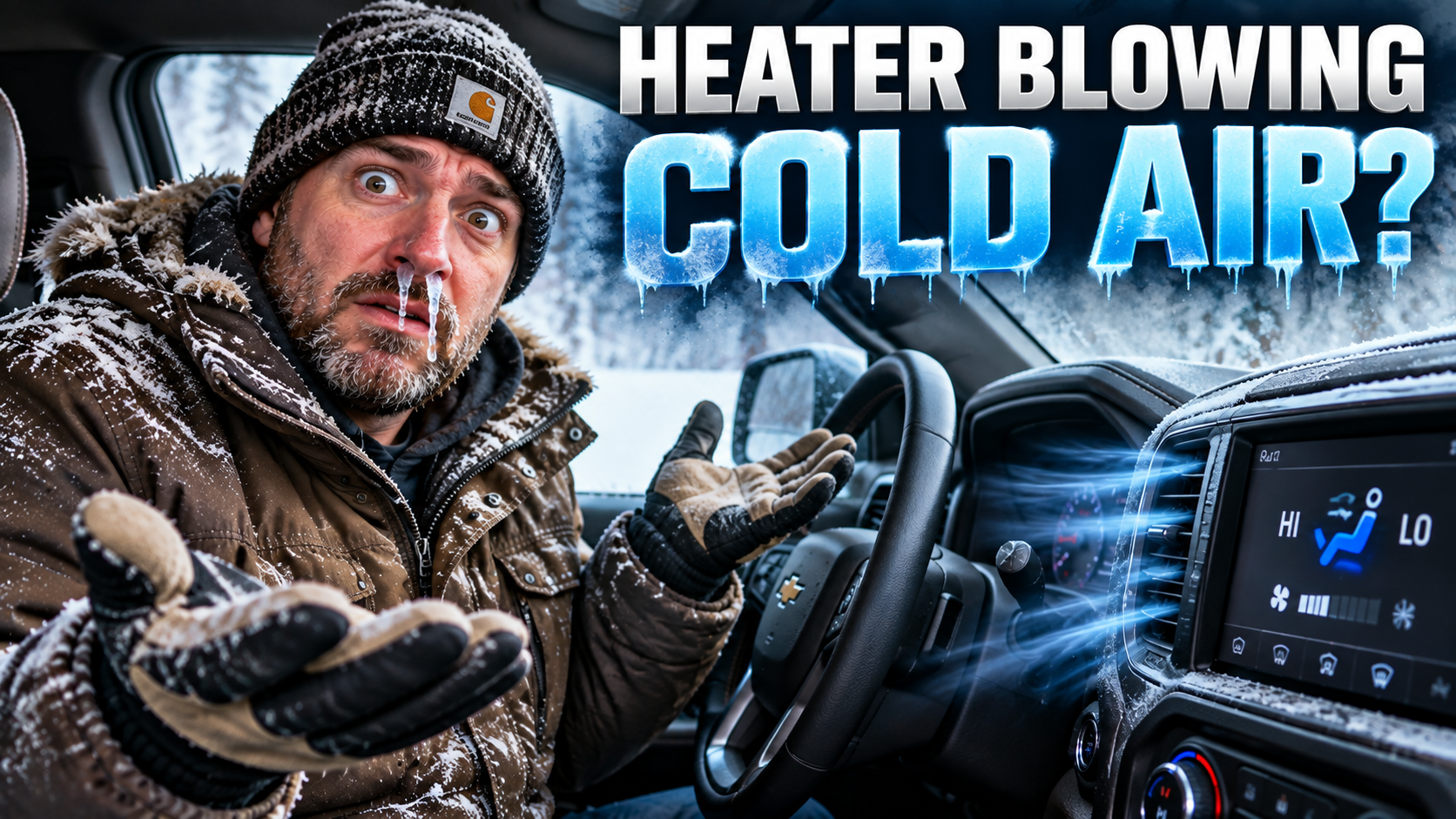
Turning on the heat and getting nothing but cold air is frustrating any time of year, but it becomes a much bigger problem once Northern Michigan temperatures begin to fall.
A vehicle's heater depends on several systems working together. In many vehicles, heat from the engine's cooling system is used to warm the air entering the passenger compartment. That means a heater problem can sometimes involve much more than the dashboard climate controls.
If your car heater is blowing cold air, taking a long time to warm up, working only while driving, or producing different temperatures from different vents, the symptoms can provide useful clues.
Here are seven common reasons a car heater may stop producing warm air and when the problem deserves prompt attention.
How Does a Car Heater Work?
In a typical gasoline-powered vehicle, the engine creates heat while operating. Engine coolant absorbs some of that heat and circulates through the cooling system.
When cabin heat is requested, warm coolant can flow through a small heat exchanger called the heater core. Air passes across the heater core and is directed through the vehicle's vents.
Other components help control how much air moves through the system and where it goes, including:
- The blower motor
- Climate-control electronics
- Temperature or blend doors
- Actuators
- Coolant-control components on some vehicles
Because several systems are involved, "the heater doesn't work" can describe several very different problems.
1. The Engine Hasn't Warmed Up Yet
Some delay before warm air begins coming from the vents is normal.
The engine and coolant need time to reach operating temperature, especially after a cold start.
On a very cold Northern Michigan morning, the cabin may take noticeably longer to warm than it does during mild weather.
The concern is when the engine has been running normally for an extended period and the vents still produce little or no heat.
2. Low Engine Coolant
Low coolant is one possible reason a vehicle's heater may blow cold or only slightly warm air.
The heater core relies on heated coolant circulating through it. If the cooling system is low, circulation through the heater circuit may be reduced or interrupted.
Low coolant can be caused by a leak or another cooling-system problem and should not simply be treated as a heater inconvenience.
Other possible signs of a cooling-system concern include:
- Engine temperature running higher than normal
- A coolant warning message
- Visible coolant underneath the vehicle
- A sweet smell
- Steam
- Frequently needing to add coolant
If cabin heat suddenly disappears and the engine temperature is also rising, pay attention immediately.
No Heat Plus Overheating Can Be a Warning Sign
A heater that suddenly begins blowing cold while the engine temperature climbs can indicate a cooling-system problem that may require prompt attention.
Continuing to operate an overheating engine can cause substantial damage.
If the temperature gauge moves into an unsafe range, an overheating warning appears, or you see steam, move to a safe location and shut the engine off when appropriate.
Do not remove a hot cooling-system cap. A pressurized cooling system can release extremely hot coolant and steam.
3. Thermostat Problems
The engine thermostat helps regulate coolant flow so the engine can reach and maintain its intended operating temperature.
If a thermostat is stuck open, the engine may run cooler than intended, particularly during cold weather.
Possible symptoms can include:
- The heater taking a very long time to get warm
- Cabin heat that never becomes very hot
- An engine temperature gauge that remains unusually low
- Temperature changing noticeably during highway driving
Thermostat problems are only one possibility, so the symptom should be diagnosed rather than assuming the thermostat automatically needs replacement.
4. Heater Core Problems
The heater core is responsible for transferring heat from warm engine coolant to the air entering the cabin.
If coolant cannot flow properly through the heater core, cabin heat may become weak or disappear.
Possible heater-core concerns can include internal restrictions or leaks.
Symptoms may include:
- Weak or inconsistent heat
- A sweet coolant smell inside the vehicle
- Windows developing an unusual film or fog
- Coolant loss
- Dampness near the passenger-side floor on some vehicles
Not every case of weak heat indicates a bad heater core, but these symptoms are worth mentioning when the vehicle is inspected.
5. A Blend Door or HVAC Actuator Isn't Working Properly
Modern heating and air-conditioning systems use internal doors to control where air flows and how much heated or cooled air reaches the cabin.
Small electric actuators often move these doors when you change the temperature or vent settings.
If a blend door or actuator is not moving correctly, the engine may be producing plenty of heat while the HVAC system continues sending cold air through the vents.
Possible clues include:
- The driver's side is warm but the passenger side is cold
- Temperature does not change when the control is adjusted
- Heat works intermittently
- Clicking or tapping sounds from behind the dashboard
- Dual-zone climate control producing very different temperatures
Why Does My Heater Work on One Side but Not the Other?
Vehicles with dual-zone or multi-zone climate control can sometimes develop a problem where one side of the cabin receives warm air while another side remains cold.
That type of symptom can point technicians toward climate-control doors, actuators, controls, or other HVAC-system components rather than immediately toward the engine cooling system.
Tell your technician exactly which vents are affected and whether changing the temperature setting makes any difference.
6. Blower Motor or Airflow Problems
There is an important difference between:
- Air coming from the vents but staying cold
- Little or no air coming from the vents at all
If you can feel warm air but almost no airflow, the problem may involve the air-delivery side of the HVAC system rather than the source of the heat itself.
Possible causes can include:
- Blower motor problems
- Electrical issues
- Blower-control components
- Airflow restrictions
- A severely restricted cabin air filter on applicable vehicles
If the blower works only on certain fan-speed settings, mention that as well. That detail can help narrow the diagnosis.
7. Air Trapped in the Cooling System or a Coolant-Circulation Problem
The heater depends on consistent coolant circulation.
Air trapped in the system or another coolant-circulation problem can sometimes interfere with heater performance.
This may become noticeable after:
- Cooling-system repairs
- Coolant service
- A coolant leak
- The cooling system becoming very low
Heater performance that changes with engine speed can also provide useful diagnostic information.
Why Does My Car Heater Work Only When I'm Driving?
If the heater becomes warmer while driving or accelerating but turns cool while idling, coolant circulation may be one possibility to investigate.
Low coolant, trapped air, heater-core restrictions, or other cooling-system conditions can sometimes create symptoms that change with engine speed.
This is a useful symptom to describe accurately when scheduling service.
Why Does My Heater Blow Warm Air While Driving but Cold Air at a Stop?
This symptom deserves attention because it suggests that operating conditions are affecting heater output.
Rather than repeatedly increasing the temperature setting, note:
- Whether the engine temperature gauge changes
- Whether heat improves when engine speed increases
- Whether the coolant level has recently been low
- Whether any repairs were recently performed on the cooling system
Why Does My Car Take Forever to Warm Up?
Cold outdoor temperatures naturally increase warm-up time, but a vehicle that suddenly takes much longer than it used to may have another issue.
Possible factors can include:
- Very low ambient temperature
- A thermostat that is not regulating temperature correctly
- Cooling-system conditions
- HVAC temperature-control issues
Compare the vehicle's current behavior with what has been normal for that same vehicle in similar weather.
Can a Cabin Air Filter Cause No Heat?
A cabin air filter primarily affects airflow, not the temperature of the coolant flowing through the heater core.
A severely restricted filter may reduce how much air moves through the vents, making the heater feel ineffective even when the air itself is warm.
If the vents produce warm air but the airflow is unusually weak, the cabin air filter can be one of several things worth checking.
Does the Check Engine Light Come On for Heater Problems?
Not every heater problem will illuminate the check engine light.
However, certain engine-management or cooling-system concerns may trigger diagnostic trouble codes or warning messages.
If your heater problem occurs along with a check engine light, temperature warning, or other dashboard message, mention all of those symptoms during diagnosis.
You can learn more in our guide: Check Engine Light On? What It Means and What to Do Next .
Why Is There a Sweet Smell Inside My Car?
Engine coolant can have a distinctive sweet odor.
If you notice that smell inside the passenger compartment—especially along with poor heat, coolant loss, unusual windshield fogging, or damp carpeting—it may be related to a cooling-system leak.
Coolant should not be ignored. Besides affecting heater operation, low coolant can eventually contribute to engine overheating.
Why Does My Windshield Keep Fogging When the Heater Is On?
Some windshield fogging is normal when there is a large difference between interior and exterior temperature or when cabin humidity is high.
However, persistent unusual fogging combined with a sweet odor or greasy-looking film can be another symptom worth reporting to a technician.
Good heater and defroster operation is particularly important during Michigan winters because maintaining windshield visibility is a safety concern, not simply a comfort issue.
Can You Drive With a Heater That Doesn't Work?
Whether the vehicle is safe to drive depends on why the heater stopped working.
If the engine temperature remains normal and the issue is limited to an HVAC control or airflow problem, the vehicle may still operate normally.
However, a lack of heat becomes more serious when it is accompanied by:
- Engine overheating
- Low coolant
- Coolant leaking
- Steam
- Temperature warning lights
- Rapid temperature-gauge changes
There is also the practical issue of windshield defrosting. A heater or HVAC system that cannot effectively clear the windshield can create a visibility problem during cold or wet weather.
What Should You Check if Your Heater Is Blowing Cold?
Without disassembling anything, there are several observations you can make before scheduling service.
Note:
- Whether the engine reaches normal operating temperature
- Whether the heater ever becomes warm
- Whether heat changes while driving versus idling
- Whether both sides of the cabin have the same temperature
- Whether airflow is strong or weak
- Whether all fan speeds work
- Whether you smell coolant
- Whether any warning lights are on
- Whether the coolant level has been low
- Whether the vehicle has recently had cooling-system work
These details can significantly narrow the diagnostic process.
Don't Keep Adding Coolant Without Finding Out Where It Is Going
If the cooling system repeatedly needs coolant, the important question is why.
Continually topping off a leaking system without diagnosing the source can allow the underlying problem to become worse.
Cooling-system leaks can sometimes be small or difficult to see, particularly when coolant only escapes under certain temperatures or pressures.
What Our Service Team Recommends
At Voice Motor Sales, we recommend looking at the complete symptom rather than assuming that every no-heat complaint means the heater core or thermostat has failed.
Tell your technician:
- When the problem started
- Whether the heat stopped suddenly or gradually weakened
- Whether the problem changes while driving
- Whether the engine reaches normal temperature
- Whether one side of the cabin is warmer than the other
- Whether airflow is weak or completely absent
- Whether you have noticed coolant loss
- Whether there are any unusual smells
- Whether the temperature gauge has behaved differently
That information can help distinguish between a cooling-system problem and an HVAC air-delivery or climate-control concern.
Car Heater Problems in Northern Michigan
A functioning heater is particularly important for drivers around Kalkaska, Traverse City, Grayling, Cadillac, Lake City, Mancelona, and surrounding Northern Michigan communities.
Cabin comfort matters, but the heater and HVAC system also play an important role in keeping the windshield clear during cold, snowy, and damp conditions.
If you notice weak heat during early fall, it can be worthwhile to have the problem addressed before colder weather becomes an everyday reality.
For more seasonal vehicle preparation, read our Fall Vehicle Maintenance Checklist .
Car Heater Not Working? Visit Voice Motor Sales
If your heater is blowing cold air, taking too long to warm up, or working differently from one side of the cabin to the other, the Service Department at Voice Motor Sales in Kalkaska can help diagnose the cause.
Visit the Voice Motor Sales Service Department to learn more about our automotive service department.
You can also schedule a service appointment online or view current Service & Parts Specials .
Related Vehicle Service Resources
Frequently Asked Questions About Car Heater Problems
Why is my car heater blowing cold air?
Possible causes include low coolant, a thermostat problem, heater-core concerns, HVAC blend-door or actuator problems, or coolant-circulation issues. The exact cause depends on the vehicle and other symptoms.
Why does my heater only work when I'm driving?
If the heater gets warmer while driving or accelerating but cools down at idle, coolant circulation may be one area to investigate. Low coolant, trapped air, heater-core restrictions, or other cooling-system concerns can sometimes cause this type of symptom.
Why does my car take so long to warm up?
Very cold weather naturally increases warm-up time. If the vehicle takes much longer than it previously did, possible causes can include a thermostat that is not regulating engine temperature correctly or another cooling-system or HVAC concern.
Can low coolant cause the heater to blow cold air?
Yes. The heater relies on warm engine coolant circulating through the heater core. If coolant is too low, heater performance may be reduced and the engine may also be at risk of overheating.
Why is one side of my car blowing hot air and the other side cold?
On vehicles with dual-zone climate control, different temperatures from opposite sides of the cabin may indicate a problem involving a blend door, actuator, climate-control system, or another HVAC component.
Why do I have no air coming from my vents?
If no air or very little air comes from the vents, the problem may involve the blower motor, blower controls, electrical system, airflow restriction, or another HVAC component rather than the source of the heat itself.
Can a bad thermostat cause no heat?
A thermostat that remains open can prevent the engine from reaching its intended operating temperature, which may result in weak cabin heat or an unusually long warm-up time.
Is it safe to drive if my car heater stops working?
It depends on the cause. If the heater failure occurs with overheating, low coolant, coolant leakage, steam, or temperature warnings, stop and have the vehicle evaluated. A heater or defroster problem that prevents adequate windshield visibility can also create a safety concern.
Where can I have my car heater checked near Kalkaska, Michigan?
The Voice Motor Sales Service Department in Kalkaska can diagnose heating, cooling-system, and HVAC concerns for drivers throughout Kalkaska and surrounding Northern Michigan communities.