





');
Blog

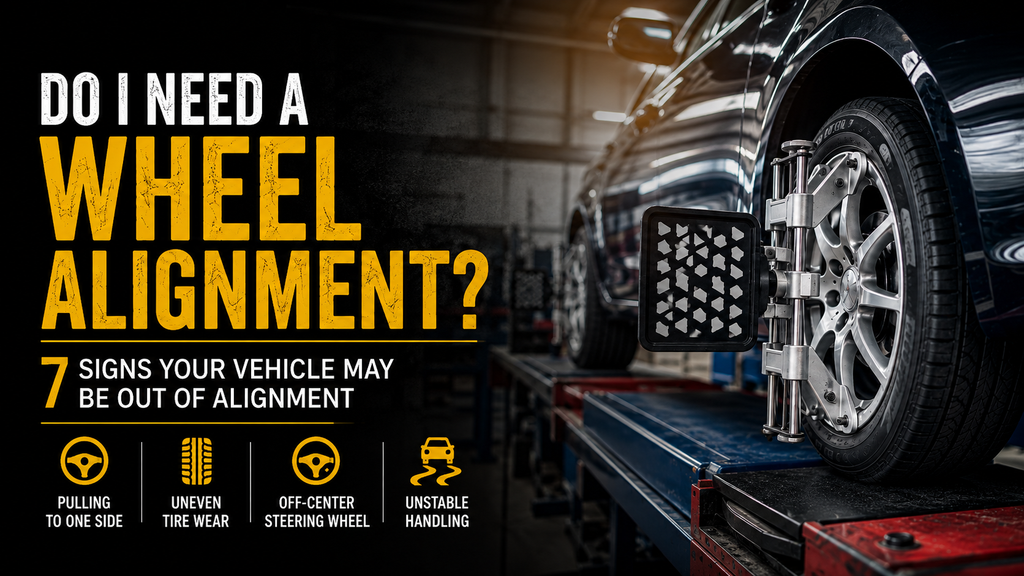
Do I Need a Wheel Alignment? 7 Signs Your Vehicle May Be Out of Alignment

Do I Need a Wheel Alignment? 7 Signs Your Vehicle May Be Out of Alignment

Reviewed by the Voice Motor Sales Service Department in Kalkaska, Michigan

Your vehicle should feel predictable when you drive it. The steering wheel should feel centered, the vehicle should track reasonably straight, and your tires should wear evenly over time. When that starts to change, a wheel alignment problem may be one possible cause.

Alignment can be especially important for drivers in Northern Michigan, where potholes, rough pavement, gravel roads, winter conditions, and everyday wear can put additional stress on tires, steering, and suspension components.

So how do you know when your vehicle may need a wheel alignment? Here are seven common warning signs, what can cause alignment problems, and why having the vehicle inspected can help protect your tires and improve the way your vehicle drives.

What Is a Wheel Alignment?

A wheel alignment involves checking and adjusting the angles of the wheels so they are positioned according to the vehicle manufacturer's specifications.

Alignment is commonly discussed in terms of three measurements:

  • Toe: Whether the tires point slightly inward or outward when viewed from above.
  • Camber: The inward or outward tilt of the wheel when viewed from the front of the vehicle.
  • Caster: The angle of the steering axis, which can affect steering stability and handling.

These angles may only be off by a relatively small amount, but that can still affect tire wear, steering feel, and how the vehicle tracks down the road.

1. Your Vehicle Pulls to One Side

One of the most common signs drivers associate with an alignment problem is a vehicle that wants to drift or pull to the left or right.

If you constantly feel like you have to correct the steering to keep the vehicle traveling straight, an alignment issue may be one possibility.

However, pulling does not automatically mean the vehicle needs an alignment. Other possible causes can include:

  • Uneven tire pressure
  • Uneven or damaged tires
  • Brake problems
  • Worn steering components
  • Worn suspension components
  • Road surface or road crown

A proper inspection can help determine what is actually causing the vehicle to pull.

2. Your Steering Wheel Is Off-Center

When you are driving straight on a reasonably level road, the steering wheel should generally appear centered.

If the vehicle is traveling straight but the steering wheel consistently sits noticeably to the left or right, the alignment may need to be checked.

An off-center steering wheel can sometimes develop after hitting a pothole, curb, or other road hazard, or following repairs involving steering or suspension components.

3. Your Tires Are Wearing Unevenly

Uneven tire wear is one of the most important signs to watch for because an alignment problem can shorten the usable life of your tires.

Instead of wearing evenly across the tread, you may notice:

  • More wear on the inside edge of a tire
  • More wear on the outside edge
  • Feathered or angled tread wear
  • Different wear patterns between tires

Alignment is not the only possible cause of uneven tire wear. Incorrect tire pressure, worn suspension components, tire balance issues, driving habits, and lack of tire rotation can also contribute.

If you notice unusual tread wear, having the tires and related components inspected can help determine the cause before additional tire life is lost.

4. The Vehicle Feels Unstable or Wanders

A vehicle that feels like it wanders within the lane or requires frequent steering corrections may have an alignment, tire, steering, or suspension concern.

You may notice this most at highway speeds, where relatively small changes in steering behavior can become easier to feel.

Wind, road conditions, tire design, and pavement grooves can also influence how a vehicle tracks, so the symptom should be considered along with the overall condition of the vehicle.

5. You Recently Hit a Pothole or Curb

You do not always need to wait for obvious symptoms before considering an alignment inspection.

A hard impact with a pothole, curb, road edge, or other obstacle can potentially affect wheel alignment or damage a tire, wheel, steering component, or suspension component.

After a significant impact, pay attention to changes such as:

  • The steering wheel sitting differently
  • New vibration
  • Pulling to one side
  • Steering that feels different
  • Visible tire or wheel damage
  • New noises from the suspension

Northern Michigan's freeze-and-thaw cycles can make potholes and rough road surfaces difficult to avoid, particularly during late winter and spring.

6. You Recently Installed New Tires

New tires do not automatically mean your vehicle needs an alignment, but it can be a good time to evaluate the vehicle's alignment and existing tire wear patterns.

If the previous tires developed uneven wear because of an alignment issue, installing new tires without correcting the underlying problem could cause the new set to begin wearing unevenly as well.

Protecting a new set of tires is one reason it can make sense to address any known steering, suspension, or alignment concerns early.

You can learn more about tire care and replacement on our
Voice Motor Sales Tire Basics page.

7. Something Feels Different After Steering or Suspension Work

Certain steering and suspension repairs can affect wheel alignment.

Depending on the vehicle and the components involved, an alignment check may be appropriate following repairs or replacement of certain suspension or steering parts.

If the steering wheel position, vehicle tracking, or tire wear changes after a repair, let your service technician know what you are experiencing.

What Causes a Vehicle to Go Out of Alignment?

Alignment can change for several reasons. Some happen suddenly, while others develop gradually as components wear.

Possible causes include:

  • Hitting potholes
  • Striking a curb
  • Driving frequently on rough roads
  • Accident or collision damage
  • Worn steering components
  • Worn suspension components
  • Vehicle modifications or changes in ride height
  • Normal wear over time

This is also why simply adjusting alignment angles is not always the entire answer. If a steering or suspension component is worn or damaged, that condition may need to be corrected before the vehicle can maintain proper alignment.

Can Bad Alignment Ruin Your Tires?

Improper alignment can contribute to accelerated or uneven tire wear.

The longer the vehicle is driven with certain alignment problems, the more tread may be worn away from one portion of the tire. Once that rubber has been worn off, correcting the alignment cannot restore it.

That makes tire wear one of the strongest reasons not to ignore possible alignment symptoms.

Regularly checking your tire pressure and visually inspecting tread wear can help you identify a developing problem sooner.

Can a Wheel Alignment Fix Steering Wheel Vibration?

Sometimes steering symptoms occur alongside an alignment problem, but a wheel alignment is not the solution to every vibration.

Steering wheel vibration can also be related to:

  • Tire balance
  • Tire damage
  • Bent wheels
  • Brake components
  • Wheel bearings
  • Steering or suspension components

If the steering wheel shakes primarily while braking, the braking system may need to be inspected. Learn more on our
Brake Service page.

Describing exactly when the vibration occurs can help a technician narrow down the cause.

Wheel Alignment vs. Tire Balance: What's the Difference?

Wheel alignment and tire balancing are two different services that address different concerns.

Wheel alignment relates to the angles and positioning of the wheels relative to the vehicle and road.

Tire balancing addresses weight distribution around the wheel and tire assembly.

A tire or wheel balance concern may cause vibration at certain speeds, while an alignment problem may be more likely to contribute to pulling, an off-center steering wheel, or abnormal tire wear.

Because some symptoms overlap, an inspection is often more useful than trying to diagnose the issue based on one symptom alone.

How Often Should You Get a Wheel Alignment?

There is no single mileage interval that applies to every vehicle and every driver.

Alignment needs can depend on the vehicle, road conditions, driving habits, tire condition, suspension wear, and whether the vehicle has experienced an impact.

Rather than relying only on a specific mileage number, it is useful to pay attention to the way the vehicle drives and how the tires are wearing.

An alignment check may be worth considering if:

  • The vehicle begins pulling or wandering
  • The steering wheel is no longer centered
  • You notice uneven tire wear
  • You hit a significant pothole or curb
  • Steering or suspension components have been repaired
  • You are installing new tires and the old tires showed abnormal wear

What Our Service Team Recommends

At Voice Motor Sales, we recommend looking at the entire tire, steering, and suspension system rather than assuming every pulling or tire-wear concern is automatically caused by alignment.

If you notice a change in the way your vehicle drives, make a note of exactly what you are experiencing. Helpful details include:

  • Whether the vehicle pulls left or right
  • Whether the steering wheel is off-center
  • When the symptom first started
  • Whether you recently hit a pothole or curb
  • Whether the vehicle vibrates at a certain speed
  • Whether vibration occurs while braking
  • Where you are seeing unusual tire wear
  • Whether any steering or suspension work was recently performed

The more information you can provide about when and how the symptom occurs, the easier it is to begin evaluating the underlying cause.

Wheel Alignment and Northern Michigan Roads

Northern Michigan driving can be particularly demanding on tires and suspension components.

Winter temperature changes, frost heaves, potholes, gravel roads, road construction, and rough seasonal roads can all contribute to impacts and wear over time.

Drivers around Kalkaska, Traverse City, Grayling, Cadillac, Lake City, Mancelona, and surrounding communities may encounter very different road surfaces during a normal week.

If your vehicle starts driving differently after winter, after hitting a pothole, or after traveling frequently on rough roads, checking the condition of the tires, steering, suspension, and alignment can help identify whether something has changed.

Should You Get an Alignment Before Buying New Tires?

If your existing tires show unusual or uneven wear, it is worth determining why before installing a new set.

Otherwise, an unresolved alignment, steering, suspension, or tire-pressure issue could begin affecting the replacement tires.

If your old tires wore evenly and the vehicle has no steering or handling symptoms, that does not necessarily mean an alignment adjustment will be required. The condition of the individual vehicle should determine the next step.

When Should You Have the Vehicle Inspected?

Consider having the vehicle checked if the steering or handling has noticeably changed, especially if the symptoms appeared suddenly after an impact.

Seek more immediate assistance if you notice a severe change in steering, a damaged tire or wheel, unusual suspension noises, significant vibration, or anything else that makes the vehicle feel unsafe to drive.

When you are unsure, contacting a qualified service facility before continuing to drive can help you determine the appropriate next step.

Have a Steering, Tire, or Alignment Concern? Visit Voice Motor Sales

If your vehicle is pulling to one side, your steering wheel is off-center, or your tires are wearing unevenly, the service team at Voice Motor Sales in Kalkaska can help evaluate the symptoms and determine what your vehicle may need.

Visit our
Voice Motor Sales Service Department
to learn more about vehicle maintenance and repair, or
schedule a service appointment online.

Learn more about maintaining your tires, brakes, and vehicle at Voice Motor Sales:

Frequently Asked Questions About Wheel Alignment

How do I know if my car needs an alignment?

Possible signs include the vehicle pulling to one side, an off-center steering wheel, uneven tire wear, wandering at highway speeds, or changes in steering after hitting a pothole or curb. These symptoms can also have other causes, so an inspection may be necessary.

Can a pothole cause my vehicle to go out of alignment?

A significant pothole impact can potentially affect wheel alignment or damage tires, wheels, steering components, or suspension components. If the vehicle drives differently after hitting a pothole, it is worth having it checked.

Will an alignment stop my steering wheel from shaking?

Not necessarily. Steering wheel vibration can be caused by tire balance, damaged tires or wheels, brakes, wheel bearings, suspension components, and other issues. The timing and conditions of the vibration can help identify the cause.

Can bad alignment wear out new tires?

Improper wheel alignment can contribute to uneven or accelerated tire wear. If your previous tires showed unusual wear, determining the cause before or soon after installing new tires can help protect the replacement set.

Is wheel alignment the same as tire balancing?

No. Wheel alignment involves the angles and positioning of the wheels, while tire balancing addresses weight distribution within the wheel and tire assembly. Each can cause different driving symptoms.

Should I get an alignment after hitting a curb?

If the impact was significant or the vehicle begins pulling, vibrating, making unusual noises, or showing an off-center steering wheel afterward, an inspection is a good idea. A curb impact can potentially affect more than alignment alone.

Where can I have a steering or tire concern inspected near Kalkaska, Michigan?

Drivers can schedule an appointment with the Voice Motor Sales Service Department in Kalkaska, Michigan. Voice Motor Sales serves drivers from Kalkaska and surrounding Northern Michigan communities.
Do I Need a Wheel Alignment? 7 Warning Signs | Voice Motor Sales

Recommended Posts

Winter Warm Up?

Do You Need to Warm Up Your Car in Winter? How Long Should You Idle Before Driving?

Do You Need to Warm Up Your Car in Winter? How Long Should You Idle Before Driving? Reviewed by the Voice Motor Sales Service Department in Kalkaska, Michigan For generations of drivers, warming up the car before leaving on a cold winter morning was simply part of the routine. Start the engine. Go back inside. Finish your coffee. Come outside 10 or 15 minutes later and finally start driving. But modern vehicles are very different from the carbureted vehicles that helped create that habit. So, do you still need to warm up your car before driving in winter? For most modern gasoline-powered vehicles, an extended warm-up period is generally unnecessary. After a brief period following startup, driving gently is usually a more effective way to bring the engine, transmission, and other components toward operating temperature than allowing the vehicle to sit and idle for an extended period. That does not mean you should start a vehicle at 10 degrees below zero and immediately accelerate hard onto the highway. Cold engines and drivetrains still need some consideration. Here is what Northern Michigan drivers should know about warming up a vehicle during cold weather. Do Modern Cars Need to Warm Up Before Driving? Most modern fuel-injected gasoline vehicles do not require the lengthy warm-up periods that older carbureted vehicles once did. After starting the engine, it is generally reasonable to allow a short period for oil to begin circulating, buckle your seat belt, adjust the climate controls, make sure the windshield is clear, and then begin driving. The important part comes next: drive gently until the vehicle warms up. Avoid immediately asking a cold engine for maximum acceleration, high engine speed, or heavy towing loads. Normal, moderate driving allows more than just the engine to begin warming. It also puts the transmission, wheel bearings, differential fluids, steering components, and other drivetrain systems into operation. How Long Should You Warm Up Your Car in Winter? There is no universal number of seconds that applies to every vehicle, temperature, and situation. For most modern vehicles, however, you generally do not need to let the engine idle for 10 or 15 minutes solely for the purpose of protecting the engine. A practical routine is: Start the vehicle. Fasten your seat belt and adjust the controls. Make sure the windshield, windows, mirrors, lights, cameras, and sensors are clear. Allow the engine to stabilize briefly. Begin driving normally but gently. Avoid hard acceleration until the vehicle has had time to warm up. Your owner's manual should always take priority if the manufacturer provides specific cold-weather operating instructions. Why Did Older Cars Need More Warm-Up Time? Much of the traditional advice about warming up vehicles comes from the era of carbureted engines. Carburetors mechanically controlled the mixture of fuel and air entering the engine and could behave differently during cold starts. Older lubricants, engine-management systems, and vehicle technology also made cold-weather operation different from what drivers experience today. Modern vehicles typically use electronic fuel injection and computer-controlled engine management to adjust fueling automatically based on operating conditions. That is one reason the old habit of allowing every vehicle to idle for an extended period no longer applies universally. Is Idling the Best Way to Warm Up an Engine? Usually not. An idling engine is operating under a very light load. Once you begin driving gently, the engine is doing more work and generally reaches operating temperature more efficiently. Driving also begins warming components that do very little while the vehicle remains parked. These can include: Automatic transmission fluid Manual transmission fluid Transfer case components Differential fluid Wheel bearings Suspension components Tires A warm engine does not necessarily mean the entire vehicle is fully warmed. Should You Drive Differently While the Engine Is Cold? Yes. The best approach is generally to drive normally but avoid placing unnecessary stress on a cold powertrain. During the first portion of your drive, avoid: Hard acceleration Very high engine speeds Full-throttle acceleration Heavy towing immediately after startup Unnecessary engine revving while parked Smooth acceleration and moderate engine speeds allow the vehicle to reach normal operating temperature gradually. Does Engine Oil Need Time to Warm Up? Engine oil is one reason drivers should still treat a cold engine differently from a fully warmed engine. Oil becomes more resistant to flow as temperatures fall. Modern engine oils are designed to operate across a wide temperature range, but extremely cold oil still behaves differently from oil at normal operating temperature. That is why using the exact oil viscosity and specification recommended by the vehicle manufacturer is particularly important in cold climates. Starting the engine begins circulating oil, but the oil does not instantly reach normal operating temperature. A brief idle followed by gentle driving allows the lubrication system and engine to warm progressively. Why You Shouldn't Rev a Cold Engine Revving the engine while parked does not provide a shortcut to properly warming the entire vehicle. Instead, it can place additional load and speed on internal engine components before the engine and lubricants have reached normal operating temperature. Let the engine settle after startup and then drive smoothly. What If It's Extremely Cold Outside? Northern Michigan occasionally experiences temperatures far below freezing, and extremely cold conditions can justify giving the vehicle a little more time before leaving. The engine may crank more slowly, fluids may be colder, windows may require substantial defrosting, and snow or ice may need to be removed. Even then, there is an important distinction between allowing a vehicle a little additional time in severe cold and automatically idling it for 15 or 20 minutes every winter morning. Follow the manufacturer's cold-weather recommendations for your particular vehicle. What Is a Block Heater? Some vehicles used in very cold climates may be equipped with or offer an engine block heater or another type of engine-heating system. Depending on the design, a block heater can help warm part of the engine or cooling system before startup. This may help with cold-weather starting and reduce the amount of time required for the engine to begin warming. If your vehicle has a factory-installed block heater, follow the instructions in the owner's manual regarding when and how to use it. What Is Remote Start Actually Good For? Remote start can be extremely convenient during a Northern Michigan winter—but cabin comfort and visibility are often the biggest benefits. Starting the vehicle before you get in can give the climate-control system time to begin: Warming the passenger compartment Defrosting the windshield Defogging windows Warming heated seats, if equipped and programmed to activate Warming the steering wheel, if equipped and programmed to activate That does not mean the engine mechanically requires an extended remote-start cycle before it can be driven. Remote start is often more about making the vehicle comfortable and getting the glass clear enough for safe driving. Defrosting Is a Good Reason to Wait Even if the engine does not need a long warm-up, you should not begin driving until you can see properly. If frost, ice, snow, or interior fog is blocking your view, allow the defroster enough time to work and use an appropriate ice scraper when necessary. Before driving, clear: The windshield Side windows Rear glass Exterior mirrors Headlights Taillights Exterior cameras Driver-assistance sensors when applicable Also remove accumulated snow from the hood, roof, and trunk or tonneau area so it does not blow onto your windshield or another vehicle while driving. Never Warm Up a Gasoline or Diesel Vehicle in a Closed Garage This is one winter rule that deserves particular emphasis. Never leave a gasoline or diesel vehicle running inside a closed or enclosed garage. Engine exhaust contains carbon monoxide, an odorless and potentially deadly gas. Opening the garage door after the vehicle has already been running inside is not a substitute for preventing exhaust accumulation in the first place. If you use remote start, make sure the vehicle is outdoors and the exhaust outlet is clear of snow or other obstructions. Does Warming Up Your Car Waste Gas? A gasoline or diesel engine consumes fuel whenever it is running. Extended idling therefore uses fuel while the vehicle travels zero miles. If an extended warm-up is not required for visibility, passenger comfort, or a vehicle-specific reason, letting the engine idle longer than necessary generally provides little benefit while continuing to consume fuel. Does Idling Charge a Weak Battery? If your vehicle is becoming difficult to start in cold weather, letting it idle for a few extra minutes is not a substitute for addressing a weak battery or charging-system problem. Cold temperatures place additional demands on automotive batteries, and a battery that seemed acceptable during summer may struggle once temperatures fall. Warning signs can include: Slow engine cranking Clicking when attempting to start Intermittent starting problems Electrical systems behaving unusually during startup A battery that repeatedly needs a jump-start If the vehicle is consistently slow to start, have the battery and charging system checked rather than relying on additional idle time. Learn more about battery service at Voice Motor Sales. What About Diesel Trucks? Diesel engines have their own cold-weather operating characteristics, so owners should follow the manufacturer's instructions for their particular truck. Some diesel vehicles use glow plugs or other intake-heating systems during cold starts. A dashboard indicator may tell the driver when the starting sequence is ready. Diesel owners should also pay attention to: Proper cold-weather fuel Fuel-filter condition Battery condition Correct engine oil Block-heater recommendations Manufacturer cold-start procedures Once running normally, the same basic principle applies: avoid demanding maximum power from a cold engine immediately after startup. What About Turbocharged Engines? Many modern vehicles use turbocharged engines. Turbochargers operate at very high speeds and depend on proper lubrication, making good oil maintenance particularly important. After a cold start, avoid immediately demanding maximum boost or full-throttle acceleration. Start the vehicle, allow it to stabilize briefly, and drive moderately while the engine and oil warm. Do Hybrid Vehicles Need to Warm Up? Hybrid vehicles manage engine operation differently from conventional gasoline vehicles. Depending on the vehicle and outside temperature, the gasoline engine may start automatically, shut off, restart, or operate according to the vehicle's own control strategy. Drivers generally should allow the hybrid system to manage itself and follow the cold-weather recommendations in the owner's manual rather than attempting to force a traditional warm-up routine. Do Electric Vehicles Need to Warm Up? Electric vehicles do not have a gasoline engine that needs to idle before driving. However, cold temperatures can affect battery performance and driving range. Many EVs allow drivers to precondition the vehicle before leaving. When possible, preconditioning an EV while it remains connected to a charger can warm the cabin—and on vehicles equipped for it, help condition the battery—while drawing energy from the electrical supply instead of relying entirely on stored battery energy. Should You Warm Up the Transmission? The transmission is one reason gentle driving is useful after a cold start. Letting the engine idle primarily warms the engine and cooling system. It does comparatively little to warm many drivetrain components. Once the vehicle begins moving, transmission fluid and other drivetrain lubricants begin circulating under normal operating conditions. Smooth acceleration during the first portion of the drive allows these systems to warm gradually. What About Four-Wheel Drive Systems? Trucks and SUVs commonly used in Northern Michigan may have transfer cases, front and rear differentials, and four-wheel-drive components containing their own lubricants. Those systems do not fully warm just because the engine has been idling in the driveway. Another reason to drive moderately at first is to allow the entire drivetrain—not simply the engine coolant—to come up in temperature. How Long Does It Take a Car to Fully Warm Up? There is no single answer. Warm-up time varies based on: Outside temperature Engine design Vehicle type Driving speed Engine load Oil specification Whether the vehicle is gasoline, diesel, hybrid, or electric Also remember that the coolant-temperature gauge does not necessarily tell you that every fluid and component in the vehicle has reached full operating temperature. Can You Damage Your Engine by Driving Immediately? Starting a modern vehicle and beginning to drive after a brief stabilization period is generally different from immediately subjecting the engine to maximum load. The behavior that deserves more caution is aggressive driving while the powertrain is still very cold. A reasonable routine is simply: Start it, buckle up, make sure you can see, and drive gently. What If Your Car Runs Rough When It's Cold? A cold engine may sound or feel somewhat different immediately after startup, but severe or persistent rough running should not simply be dismissed as normal winter behavior. Have the vehicle inspected if you notice: Repeated stalling Severe shaking Misfiring Unusual knocking or mechanical noises A flashing check engine light Difficulty keeping the engine running Excessive or unusual exhaust smoke Cold weather can sometimes reveal an underlying problem that was less noticeable during warmer conditions. What If Your Car Takes a Long Time to Produce Heat? Cabin heat naturally takes longer during very cold weather because the engine and cooling system have more warming to do. However, if your vehicle suddenly takes much longer to produce warm air than it did previously—or never produces adequate heat—there may be a cooling-system or HVAC concern. Problems involving coolant level, the thermostat, heater core, blend doors, actuators, or other components can affect cabin heating. If your heater is not working correctly, see our guide: Why Is My Car Heater Blowing Cold Air? 7 Common Causes. A Simple Cold-Morning Routine For most modern vehicles, winter mornings do not need to involve a complicated warm-up procedure. Make sure the exhaust outlet is not blocked by snow. Start the vehicle outdoors. Turn on the appropriate defrost and climate settings. Fasten your seat belt. Clear all necessary snow, frost, and ice. Make sure cameras, lights, mirrors, and windows are clear. Begin driving when visibility is safe. Accelerate moderately while the vehicle warms. Avoid high engine loads until the powertrain has had time to reach operating temperature. Always follow any vehicle-specific cold-weather instructions in your owner's manual. What Our Service Team Recommends At Voice Motor Sales, we recommend separating two different questions: Does the engine need to idle for a long time before you drive? For most modern gasoline vehicles, no. Should you give a cold vehicle some consideration before demanding maximum performance? Absolutely. Start the vehicle, allow it to stabilize briefly, make sure you have full visibility, and then drive moderately while it warms. Extended idling every morning is generally unnecessary solely for engine warm-up, but allowing additional time for windshield defrosting and passenger comfort can still be useful. Preparing Your Vehicle for a Northern Michigan Winter Cold-weather starting is only one part of winter vehicle preparation. Before temperatures fall significantly around Kalkaska, Traverse City, Grayling, Cadillac, Lake City, Mancelona, and surrounding Northern Michigan communities, consider checking: Battery condition Engine coolant and freeze protection Tire condition and pressure Windshield wipers Winter-grade washer fluid Exterior lighting Heating and defrost operation Brakes For additional seasonal maintenance information, read our Fall Vehicle Maintenance Checklist. Need Help Getting Your Vehicle Ready for Cold Weather? If your vehicle is becoming difficult to start, the heater is not working properly, the battery seems weak, or you want to take care of routine maintenance before winter, the Service Department at Voice Motor Sales in Kalkaska can help. Visit the Voice Motor Sales Service Department to learn more about available maintenance and repair services. You can also: Learn About Battery Service Learn About Tires View Current Service & Parts Specials Schedule a Service Appointment More Cold-Weather Vehicle Resources Fall Vehicle Maintenance Checklist Why Is My Car Heater Blowing Cold Air? 7 Common Causes Battery Service & Replacement Tire Care at Voice Motor Sales Voice Motor Sales Service Department Schedule Service Frequently Asked Questions About Warming Up a Car in Winter Do you need to warm up your car before driving in winter? Most modern fuel-injected gasoline vehicles do not require a lengthy idle period before driving. After allowing the engine to stabilize briefly and making sure visibility is safe, begin driving gently and avoid hard acceleration until the vehicle warms. How long should you let your car warm up before driving? There is no universal time for every vehicle. For most modern vehicles, a brief period after startup is generally sufficient before beginning to drive gently. Additional time may be needed to defrost windows, clear snow and ice, or follow vehicle-specific instructions during extreme cold. Is 10 minutes too long to warm up a car? Most modern gasoline vehicles generally do not need to idle for 10 minutes solely to warm the engine. Drivers may choose a longer remote-start period for cabin comfort or windshield defrosting, but extended idling is usually unnecessary for mechanical warm-up alone. Is it better to idle or drive to warm up a car? Gentle driving generally warms the engine and other drivetrain components more effectively than prolonged idling. Avoid aggressive acceleration and high engine loads until the vehicle has had time to warm. Should you warm up a car when it is below zero? Extreme cold can justify allowing somewhat more time after startup, particularly for defrosting and vehicle-specific cold-weather procedures. However, modern vehicles generally still do not require lengthy idling solely for engine warm-up. Follow your owner's manual. Does remote start help your engine in winter? Remote start can begin warming the engine and is particularly useful for passenger comfort and windshield defrosting. For most modern vehicles, however, a full remote-start cycle is not normally required simply to make the engine safe to drive. Should you rev your engine to warm it up faster? No. Avoid unnecessary revving immediately after a cold start. Let the engine stabilize and then drive moderately while the engine and lubricants warm. Do diesel trucks need to warm up longer? Diesel engines can have different cold-start procedures, including glow-plug or intake-heating systems. Follow the manufacturer's instructions for the specific diesel vehicle and avoid immediately placing a cold engine under maximum load. Do electric cars need to warm up? Electric vehicles do not have a gasoline engine that needs to idle before driving. However, preconditioning the cabin and, on equipped vehicles, the battery can improve cold-weather comfort and performance. Preconditioning while connected to a charger can also help preserve stored battery energy. Why does my car take so long to heat up in winter? Very cold temperatures naturally increase warm-up time. If cabin heat is much weaker than normal, takes unusually long to appear, or never becomes warm, a thermostat, coolant, heater-core, HVAC, or other vehicle concern may need to be diagnosed. Where can I have my vehicle checked before winter near Kalkaska, Michigan? The Voice Motor Sales Service Department in Kalkaska provides maintenance and cold-weather vehicle services for drivers throughout Kalkaska and surrounding Northern Michigan communities. Do You Need to Warm Up Your Car in Winter? | Voice Motor Sales
Heater Blowing Cold

Why Is My Car Heater Blowing Cold Air? 7 Common Causes

Why Is My Car Heater Blowing Cold Air? 7 Common Causes Reviewed by the Voice Motor Sales Service Department in Kalkaska, Michigan Turning on the heat and getting nothing but cold air is frustrating any time of year, but it becomes a much bigger problem once Northern Michigan temperatures begin to fall. A vehicle's heater depends on several systems working together. In many vehicles, heat from the engine's cooling system is used to warm the air entering the passenger compartment. That means a heater problem can sometimes involve much more than the dashboard climate controls. If your car heater is blowing cold air, taking a long time to warm up, working only while driving, or producing different temperatures from different vents, the symptoms can provide useful clues. Here are seven common reasons a car heater may stop producing warm air and when the problem deserves prompt attention. How Does a Car Heater Work? In a typical gasoline-powered vehicle, the engine creates heat while operating. Engine coolant absorbs some of that heat and circulates through the cooling system. When cabin heat is requested, warm coolant can flow through a small heat exchanger called the heater core. Air passes across the heater core and is directed through the vehicle's vents. Other components help control how much air moves through the system and where it goes, including: The blower motor Climate-control electronics Temperature or blend doors Actuators Coolant-control components on some vehicles Because several systems are involved, "the heater doesn't work" can describe several very different problems. 1. The Engine Hasn't Warmed Up Yet Some delay before warm air begins coming from the vents is normal. The engine and coolant need time to reach operating temperature, especially after a cold start. On a very cold Northern Michigan morning, the cabin may take noticeably longer to warm than it does during mild weather. The concern is when the engine has been running normally for an extended period and the vents still produce little or no heat. 2. Low Engine Coolant Low coolant is one possible reason a vehicle's heater may blow cold or only slightly warm air. The heater core relies on heated coolant circulating through it. If the cooling system is low, circulation through the heater circuit may be reduced or interrupted. Low coolant can be caused by a leak or another cooling-system problem and should not simply be treated as a heater inconvenience. Other possible signs of a cooling-system concern include: Engine temperature running higher than normal A coolant warning message Visible coolant underneath the vehicle A sweet smell Steam Frequently needing to add coolant If cabin heat suddenly disappears and the engine temperature is also rising, pay attention immediately. No Heat Plus Overheating Can Be a Warning Sign A heater that suddenly begins blowing cold while the engine temperature climbs can indicate a cooling-system problem that may require prompt attention. Continuing to operate an overheating engine can cause substantial damage. If the temperature gauge moves into an unsafe range, an overheating warning appears, or you see steam, move to a safe location and shut the engine off when appropriate. Do not remove a hot cooling-system cap. A pressurized cooling system can release extremely hot coolant and steam. 3. Thermostat Problems The engine thermostat helps regulate coolant flow so the engine can reach and maintain its intended operating temperature. If a thermostat is stuck open, the engine may run cooler than intended, particularly during cold weather. Possible symptoms can include: The heater taking a very long time to get warm Cabin heat that never becomes very hot An engine temperature gauge that remains unusually low Temperature changing noticeably during highway driving Thermostat problems are only one possibility, so the symptom should be diagnosed rather than assuming the thermostat automatically needs replacement. 4. Heater Core Problems The heater core is responsible for transferring heat from warm engine coolant to the air entering the cabin. If coolant cannot flow properly through the heater core, cabin heat may become weak or disappear. Possible heater-core concerns can include internal restrictions or leaks. Symptoms may include: Weak or inconsistent heat A sweet coolant smell inside the vehicle Windows developing an unusual film or fog Coolant loss Dampness near the passenger-side floor on some vehicles Not every case of weak heat indicates a bad heater core, but these symptoms are worth mentioning when the vehicle is inspected. 5. A Blend Door or HVAC Actuator Isn't Working Properly Modern heating and air-conditioning systems use internal doors to control where air flows and how much heated or cooled air reaches the cabin. Small electric actuators often move these doors when you change the temperature or vent settings. If a blend door or actuator is not moving correctly, the engine may be producing plenty of heat while the HVAC system continues sending cold air through the vents. Possible clues include: The driver's side is warm but the passenger side is cold Temperature does not change when the control is adjusted Heat works intermittently Clicking or tapping sounds from behind the dashboard Dual-zone climate control producing very different temperatures Why Does My Heater Work on One Side but Not the Other? Vehicles with dual-zone or multi-zone climate control can sometimes develop a problem where one side of the cabin receives warm air while another side remains cold. That type of symptom can point technicians toward climate-control doors, actuators, controls, or other HVAC-system components rather than immediately toward the engine cooling system. Tell your technician exactly which vents are affected and whether changing the temperature setting makes any difference. 6. Blower Motor or Airflow Problems There is an important difference between: Air coming from the vents but staying cold Little or no air coming from the vents at all If you can feel warm air but almost no airflow, the problem may involve the air-delivery side of the HVAC system rather than the source of the heat itself. Possible causes can include: Blower motor problems Electrical issues Blower-control components Airflow restrictions A severely restricted cabin air filter on applicable vehicles If the blower works only on certain fan-speed settings, mention that as well. That detail can help narrow the diagnosis. 7. Air Trapped in the Cooling System or a Coolant-Circulation Problem The heater depends on consistent coolant circulation. Air trapped in the system or another coolant-circulation problem can sometimes interfere with heater performance. This may become noticeable after: Cooling-system repairs Coolant service A coolant leak The cooling system becoming very low Heater performance that changes with engine speed can also provide useful diagnostic information. Why Does My Car Heater Work Only When I'm Driving? If the heater becomes warmer while driving or accelerating but turns cool while idling, coolant circulation may be one possibility to investigate. Low coolant, trapped air, heater-core restrictions, or other cooling-system conditions can sometimes create symptoms that change with engine speed. This is a useful symptom to describe accurately when scheduling service. Why Does My Heater Blow Warm Air While Driving but Cold Air at a Stop? This symptom deserves attention because it suggests that operating conditions are affecting heater output. Rather than repeatedly increasing the temperature setting, note: Whether the engine temperature gauge changes Whether heat improves when engine speed increases Whether the coolant level has recently been low Whether any repairs were recently performed on the cooling system Why Does My Car Take Forever to Warm Up? Cold outdoor temperatures naturally increase warm-up time, but a vehicle that suddenly takes much longer than it used to may have another issue. Possible factors can include: Very low ambient temperature A thermostat that is not regulating temperature correctly Cooling-system conditions HVAC temperature-control issues Compare the vehicle's current behavior with what has been normal for that same vehicle in similar weather. Can a Cabin Air Filter Cause No Heat? A cabin air filter primarily affects airflow, not the temperature of the coolant flowing through the heater core. A severely restricted filter may reduce how much air moves through the vents, making the heater feel ineffective even when the air itself is warm. If the vents produce warm air but the airflow is unusually weak, the cabin air filter can be one of several things worth checking. Does the Check Engine Light Come On for Heater Problems? Not every heater problem will illuminate the check engine light. However, certain engine-management or cooling-system concerns may trigger diagnostic trouble codes or warning messages. If your heater problem occurs along with a check engine light, temperature warning, or other dashboard message, mention all of those symptoms during diagnosis. You can learn more in our guide: Check Engine Light On? What It Means and What to Do Next. Why Is There a Sweet Smell Inside My Car? Engine coolant can have a distinctive sweet odor. If you notice that smell inside the passenger compartment—especially along with poor heat, coolant loss, unusual windshield fogging, or damp carpeting—it may be related to a cooling-system leak. Coolant should not be ignored. Besides affecting heater operation, low coolant can eventually contribute to engine overheating. Why Does My Windshield Keep Fogging When the Heater Is On? Some windshield fogging is normal when there is a large difference between interior and exterior temperature or when cabin humidity is high. However, persistent unusual fogging combined with a sweet odor or greasy-looking film can be another symptom worth reporting to a technician. Good heater and defroster operation is particularly important during Michigan winters because maintaining windshield visibility is a safety concern, not simply a comfort issue. Can You Drive With a Heater That Doesn't Work? Whether the vehicle is safe to drive depends on why the heater stopped working. If the engine temperature remains normal and the issue is limited to an HVAC control or airflow problem, the vehicle may still operate normally. However, a lack of heat becomes more serious when it is accompanied by: Engine overheating Low coolant Coolant leaking Steam Temperature warning lights Rapid temperature-gauge changes There is also the practical issue of windshield defrosting. A heater or HVAC system that cannot effectively clear the windshield can create a visibility problem during cold or wet weather. What Should You Check if Your Heater Is Blowing Cold? Without disassembling anything, there are several observations you can make before scheduling service. Note: Whether the engine reaches normal operating temperature Whether the heater ever becomes warm Whether heat changes while driving versus idling Whether both sides of the cabin have the same temperature Whether airflow is strong or weak Whether all fan speeds work Whether you smell coolant Whether any warning lights are on Whether the coolant level has been low Whether the vehicle has recently had cooling-system work These details can significantly narrow the diagnostic process. Don't Keep Adding Coolant Without Finding Out Where It Is Going If the cooling system repeatedly needs coolant, the important question is why. Continually topping off a leaking system without diagnosing the source can allow the underlying problem to become worse. Cooling-system leaks can sometimes be small or difficult to see, particularly when coolant only escapes under certain temperatures or pressures. What Our Service Team Recommends At Voice Motor Sales, we recommend looking at the complete symptom rather than assuming that every no-heat complaint means the heater core or thermostat has failed. Tell your technician: When the problem started Whether the heat stopped suddenly or gradually weakened Whether the problem changes while driving Whether the engine reaches normal temperature Whether one side of the cabin is warmer than the other Whether airflow is weak or completely absent Whether you have noticed coolant loss Whether there are any unusual smells Whether the temperature gauge has behaved differently That information can help distinguish between a cooling-system problem and an HVAC air-delivery or climate-control concern. Car Heater Problems in Northern Michigan A functioning heater is particularly important for drivers around Kalkaska, Traverse City, Grayling, Cadillac, Lake City, Mancelona, and surrounding Northern Michigan communities. Cabin comfort matters, but the heater and HVAC system also play an important role in keeping the windshield clear during cold, snowy, and damp conditions. If you notice weak heat during early fall, it can be worthwhile to have the problem addressed before colder weather becomes an everyday reality. For more seasonal vehicle preparation, read our Fall Vehicle Maintenance Checklist. Car Heater Not Working? Visit Voice Motor Sales If your heater is blowing cold air, taking too long to warm up, or working differently from one side of the cabin to the other, the Service Department at Voice Motor Sales in Kalkaska can help diagnose the cause. Visit the Voice Motor Sales Service Department to learn more about our automotive service department. You can also schedule a service appointment online or view current Service & Parts Specials. Related Vehicle Service Resources Fall Vehicle Maintenance Checklist Check Engine Light On? What It Means and What to Do Next Should You Wash Your Car in the Winter? Voice Motor Sales Service Department Current Service & Parts Specials Schedule a Service Appointment Frequently Asked Questions About Car Heater Problems Why is my car heater blowing cold air? Possible causes include low coolant, a thermostat problem, heater-core concerns, HVAC blend-door or actuator problems, or coolant-circulation issues. The exact cause depends on the vehicle and other symptoms. Why does my heater only work when I'm driving? If the heater gets warmer while driving or accelerating but cools down at idle, coolant circulation may be one area to investigate. Low coolant, trapped air, heater-core restrictions, or other cooling-system concerns can sometimes cause this type of symptom. Why does my car take so long to warm up? Very cold weather naturally increases warm-up time. If the vehicle takes much longer than it previously did, possible causes can include a thermostat that is not regulating engine temperature correctly or another cooling-system or HVAC concern. Can low coolant cause the heater to blow cold air? Yes. The heater relies on warm engine coolant circulating through the heater core. If coolant is too low, heater performance may be reduced and the engine may also be at risk of overheating. Why is one side of my car blowing hot air and the other side cold? On vehicles with dual-zone climate control, different temperatures from opposite sides of the cabin may indicate a problem involving a blend door, actuator, climate-control system, or another HVAC component. Why do I have no air coming from my vents? If no air or very little air comes from the vents, the problem may involve the blower motor, blower controls, electrical system, airflow restriction, or another HVAC component rather than the source of the heat itself. Can a bad thermostat cause no heat? A thermostat that remains open can prevent the engine from reaching its intended operating temperature, which may result in weak cabin heat or an unusually long warm-up time. Is it safe to drive if my car heater stops working? It depends on the cause. If the heater failure occurs with overheating, low coolant, coolant leakage, steam, or temperature warnings, stop and have the vehicle evaluated. A heater or defroster problem that prevents adequate windshield visibility can also create a safety concern. Where can I have my car heater checked near Kalkaska, Michigan? The Voice Motor Sales Service Department in Kalkaska can diagnose heating, cooling-system, and HVAC concerns for drivers throughout Kalkaska and surrounding Northern Michigan communities. Why Is My Car Heater Blowing Cold Air? 7 Causes | Voice Motor Sales

Winter Car Wash 101

Should You Wash Your Car in the Winter? How to Protect It From Salt, Slush, and Road Grime

Should You Wash Your Car in the Winter? How to Protect It From Salt, Slush, and Road Grime Reviewed by the Voice Motor Sales Service Department in Kalkaska, Michigan Washing your vehicle may seem like a summertime chore, but winter can actually be one of the most important times to keep it clean. Northern Michigan roads can expose vehicles to a constant mixture of snow, slush, moisture, dirt, and deicing materials. That gray coating that builds up along the doors, rocker panels, wheel openings, and tailgate is more than a cosmetic issue. Leaving winter grime on a vehicle for extended periods can give moisture and corrosive materials more time to remain in contact with painted and metal surfaces. So, should you wash your car in the winter? In most cases, yes. Regular winter washing—especially cleaning the lower body and underbody—can be a useful part of protecting your vehicle. The key is knowing when to wash it, what areas deserve the most attention, and how to avoid creating problems when temperatures are extremely cold. Why Is It Important to Wash Your Car in the Winter? Winter driving conditions can cover a vehicle with considerably more than ordinary dirt. During a typical Northern Michigan winter, your vehicle may encounter: Road salt and other deicing materials Snow and slush Sand and road grit Standing water Mud Dirty road spray from other vehicles These materials tend to collect on the lowest and most exposed areas of the vehicle, including the wheel wells, rocker panels, bumpers, suspension areas, and underside. Washing helps remove that buildup before it remains on the vehicle for an extended period. Does Road Salt Damage Cars? Road salt and other deicing materials are useful for improving winter-road conditions, but they can also contribute to corrosion when they remain on exposed metal surfaces in the presence of moisture. Modern vehicles are designed with corrosion protection, coatings, sealers, and treated materials, but no vehicle is completely immune to years of exposure. Areas that may deserve particular attention include: Rocker panels Wheel openings Lower portions of doors Frame and underbody components Suspension components Brake and fuel line areas Fasteners and brackets Areas where paint has already been chipped or damaged Removing winter contamination periodically can help limit how long those materials remain on the vehicle. How Often Should You Wash Your Car in the Winter? There is no single schedule that works for every driver. A practical rule of thumb during periods of frequent salt and slush is to consider washing the vehicle approximately every week or two, depending on road conditions and how much you drive. You may want to wash more frequently if: You drive every day on heavily treated roads Your commute includes a lot of highway driving The vehicle is visibly coated with salt or grime You regularly drive on rural roads You travel through repeated freeze-and-thaw cycles You notice heavy buildup around the wheels and lower body If the roads have been relatively dry and the vehicle remains clean, there may be less urgency. The goal is not necessarily to keep the vehicle spotless all winter. It is to prevent layers of winter contamination from remaining on it indefinitely. Should You Wash Your Car Every Time the Roads Are Salted? Usually that is not necessary. During a Northern Michigan winter, roads may be treated repeatedly. Washing after every single exposure could become impractical. Instead, watch the weather and road conditions. A good opportunity may be after a stretch of snowy or salty weather when temperatures moderate and the roads begin to dry. That allows you to remove accumulated grime without immediately covering the vehicle again on the drive home. Don't Forget the Undercarriage If the main reason you are washing the vehicle is winter salt, the underside may be one of the most important areas to clean. The paint on the hood can certainly get dirty, but the parts underneath the vehicle often receive the greatest exposure to wet road spray. When choosing an automatic wash during winter, look for an option that includes an underbody or undercarriage rinse. This can help flush accumulated material from areas that are difficult to reach during an ordinary exterior wash. Pay Attention to the Wheel Wells Wheel wells are another common collection point for winter debris. Tires continually throw water, slush, salt, sand, and road grime into these areas. Snow and ice can also become packed around: Wheel-opening liners Mud flaps Suspension areas The lower edges of bumpers Regularly removing heavy buildup can help keep these areas cleaner and may also prevent packed snow from rubbing against tires or interfering with surrounding components. Can You Wash a Car When It's Freezing Outside? You can wash a vehicle during cold weather, but extremely low temperatures require more caution. When the temperature is below freezing, water left on the vehicle can freeze before it has a chance to drain or evaporate. This can potentially lead to: Frozen door seals Frozen door handles Ice around mirrors Ice around the fuel door Ice forming around exterior trim Frozen water in crevices If possible, choose a relatively mild winter day rather than washing the vehicle during extreme cold. A commercial wash that operates in a heated environment and provides strong drying can also make winter washing easier. What Temperature Is Too Cold to Wash a Car? There is not one exact temperature that applies to every car wash, vehicle, or situation. As temperatures move well below freezing, the chance of water freezing on or around the vehicle increases. Whenever possible, choose a day when temperatures are near or above freezing and allow time for the vehicle to dry before temperatures fall sharply again. If you are using a commercial automatic wash, follow any temperature-related operating guidance provided by that facility. Dry the Doors and Seals After a Winter Car Wash One of the easiest ways to avoid a frozen door the next morning is to remove excess water after washing. After the wash, consider opening each door and wiping moisture from: Door edges Rubber weather seals Door jambs Trunk or liftgate openings Fuel-door area This only takes a few minutes and can reduce the amount of water remaining in areas that are susceptible to freezing. Automatic Car Wash vs. Hand Washing in the Winter Both can work, but winter changes the practical considerations. Automatic Car Wash Automatic washes can be convenient in winter because they may offer: Underbody rinsing High-pressure cleaning Indoor or partially enclosed washing Drying systems A quick way to remove heavy salt buildup The exact equipment and wash process vary by facility. Hand Washing Hand washing provides more control over how the vehicle is cleaned, but it can be difficult when outside temperatures are below freezing. If you hand wash a vehicle in winter, avoid allowing wash water to freeze on the driveway, walking surfaces, vehicle, or cleaning equipment. Is a Touchless Car Wash Good for Winter? A touchless wash can be useful for removing winter grime without brushes or other wash material contacting the paint. For drivers primarily concerned with quickly removing salt and road spray, a touchless wash with an underbody rinse can be a practical option. However, cleaning effectiveness varies by the amount of buildup, equipment, chemicals, pressure, and wash package. Extremely stubborn road film may require additional cleaning. Should You Wax Your Car Before Winter? Applying an appropriate wax, sealant, or other paint-protection product before winter can provide an additional layer between the vehicle's finish and environmental contamination. It does not eliminate the need for washing, but it may help make dirt and road film easier to remove while providing additional protection to the finish. Fall is a convenient time to clean and protect the vehicle before regular snow and road-treatment season begins. What About Rock Chips and Paint Damage? Small paint chips deserve attention before winter. Paint helps protect the underlying metal. When a stone chip or scratch exposes bare metal, moisture and road contamination have a more direct path to the surface underneath. Inspect areas that commonly receive road debris, including: Front edge of the hood Front bumper Rocker panels Lower doors Wheel-opening edges Addressing damaged paint before it becomes a larger problem can be easier than dealing with corrosion later. Clean Your Headlights and Taillights Too Winter grime can quickly coat headlights, taillights, turn signals, cameras, and license plates. Even if you do not have time for a full wash, periodically clean: Headlights Taillights Turn signals Backup camera lenses Exterior cameras Parking sensors License plates Clean lighting and camera surfaces can be particularly important during the darker days and poor visibility of a Michigan winter. Be Careful Around Sensors and Cameras Many modern vehicles use exterior cameras, radar systems, and ultrasonic sensors to support driver-assistance features. Snow, ice, salt, and heavy road grime can temporarily obstruct some of these components. If your vehicle displays a message indicating that a camera or driver-assistance feature is unavailable, check whether the relevant exterior area is covered with snow, ice, or grime. Follow the cleaning instructions in your owner's manual and avoid using sharp objects to remove ice from cameras or sensor surfaces. Don't Use Hot Water to Melt Ice on Your Windshield Pouring very hot water onto frozen automotive glass is not a good winter shortcut. Rapid temperature changes can place unnecessary stress on the glass, particularly if the windshield already has a chip or crack. Use the vehicle's defroster and an appropriate ice scraper instead. Should You Wash Your Vehicle After a Snowstorm? Not necessarily immediately. If roads are still wet, slushy, and heavily treated, washing the vehicle only to immediately drive through the same conditions may accomplish very little. It can make more sense to wait until: The storm has passed Roads have been cleared Conditions begin drying Temperatures are favorable for washing Then wash away the buildup accumulated during the storm. What About a Vehicle That Sits in a Garage? Garage parking does not eliminate the need for winter washing. In fact, snow and slush carried into a warmer garage may melt and keep the underside of the vehicle wet for a period of time. If the vehicle has accumulated significant salt and road grime, periodically cleaning it is still worthwhile even if it spends every night indoors. Should You Wash a New Vehicle During the Winter? Yes. A new vehicle is still exposed to the same road conditions as an older one. Keeping a new vehicle clean from the beginning can help maintain its appearance and gives you opportunities to notice paint chips, scratches, or other exterior damage early. Always follow the vehicle manufacturer's care recommendations for paint, trim, cameras, sensors, and other exterior components. Should You Wash an Older Vehicle More Often? An older vehicle may have existing paint chips, surface corrosion, worn coatings, or previously repaired areas that make regular inspection especially worthwhile. Washing the vehicle gives you an opportunity to look for: New rust spots Paint bubbling Stone chips Damaged trim Loose splash shields Damage around wheel wells Catching a small issue early can sometimes prevent it from becoming a much larger repair. A Simple Winter Car-Wash Routine Winter vehicle care does not need to be complicated. A practical routine might look like this: Wait for a reasonable weather window when possible. Choose a wash that includes an underbody rinse. Remove heavy salt and grime from the lower body and wheel wells. Make sure headlights, taillights, cameras, and sensors are clean. Allow the vehicle to dry thoroughly. Wipe excess water from door jambs and weather seals during freezing weather. Inspect the vehicle for paint chips or exterior damage while it is clean. What Our Service Team Recommends At Voice Motor Sales, we recommend thinking of winter washing as part of seasonal vehicle care rather than simply a way to keep your car looking clean. During periods of heavy road salt and slush, focus especially on: The underbody Wheel wells Rocker panels Lower doors Bumpers Lighting Exterior cameras and sensors You do not have to wash the vehicle every time it snows. Instead, watch the conditions and remove accumulated winter grime regularly throughout the season. Winter Vehicle Care in Northern Michigan Drivers in Kalkaska, Traverse City, Grayling, Cadillac, Lake City, Mancelona, and surrounding Northern Michigan communities know how quickly a clean vehicle can become covered with road spray during winter. Frequent snow, freezing temperatures, rural roads, and changing conditions can make winter particularly demanding on vehicles. Washing is only one part of preparing for those conditions. It is also a good time to keep an eye on: Tire condition and pressure Battery condition Windshield wipers Washer fluid Brakes Exterior lighting Engine coolant For a broader seasonal checklist, read our Fall Vehicle Maintenance Checklist: Get Ready Before Colder Weather Arrives. Need Help Getting Your Vehicle Ready for Winter? Washing away winter grime is something most vehicle owners can handle themselves, but winter is also a good time to make sure the rest of the vehicle is ready for colder weather. The Service Department at Voice Motor Sales in Kalkaska can help with routine maintenance, tires, batteries, brakes, wipers, fluids, and other seasonal vehicle needs. Visit the Voice Motor Sales Service Department to learn more. You can also view current Service & Parts Specials or schedule a service appointment online. More Winter Vehicle Care Resources Fall Vehicle Maintenance Checklist Learn About Tires at Voice Motor Sales Battery Service & Replacement Order Genuine GM & ACDelco Parts Voice Motor Sales Service Department Schedule Service Frequently Asked Questions About Washing a Car in Winter Should you wash your car in the winter? Yes. Periodically washing a vehicle during winter can help remove road salt, dirt, slush, and other contamination. Pay particular attention to the lower body, wheel wells, and undercarriage. How often should you wash your car in winter? The ideal frequency depends on driving conditions. During periods of heavy road salt and slush, washing approximately every week or two can be a reasonable rule of thumb. Drivers who travel frequently on heavily treated roads may want to wash more often. Does road salt cause rust? Salt and other deicing materials can contribute to corrosion when moisture and exposed metal are present. Regularly removing accumulated winter contamination can reduce how long these materials remain on the vehicle. Should I get an undercarriage wash in the winter? An underbody rinse can be particularly useful during winter because road spray can carry salt, slush, and grime onto components underneath the vehicle that are difficult to clean during a basic exterior wash. Can you wash a car when it is below freezing? It is possible, but additional care is needed because remaining water can freeze around door seals, handles, mirrors, trim, and other areas. When possible, choose a milder winter day or a commercial wash designed to operate in cold conditions. Is a touchless car wash good for winter? A touchless wash can be a convenient way to remove winter road grime, particularly when it includes an underbody rinse. Cleaning effectiveness varies by facility and by how heavily contaminated the vehicle is. Should I wash my car immediately after a snowstorm? Not necessarily. If roads are still covered with wet salt and slush, it may make sense to wait until the storm has passed and road conditions improve before washing away the accumulated buildup. Can I wash my car before temperatures drop below freezing? Yes, but give the vehicle time to dry when possible. Wiping moisture from door jambs and weather seals can also help reduce the chance of doors freezing shut when temperatures fall. Where can I get my vehicle ready for winter near Kalkaska, Michigan? The Voice Motor Sales Service Department in Kalkaska provides maintenance and seasonal vehicle services for drivers throughout Kalkaska and surrounding Northern Michigan communities. Should You Wash Your Car in Winter? Salt & Winter Car Care | Voice Motor Sales